
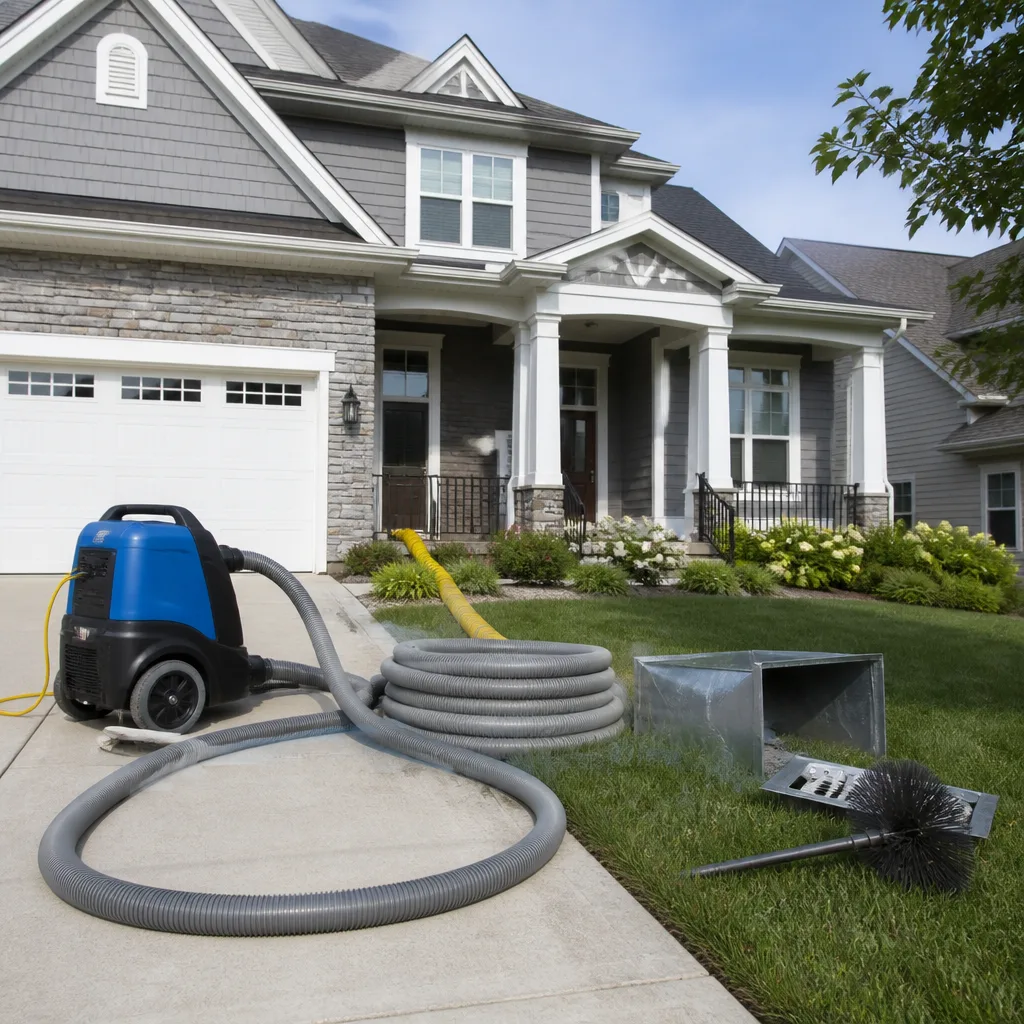
 Whole-home duct cleaning
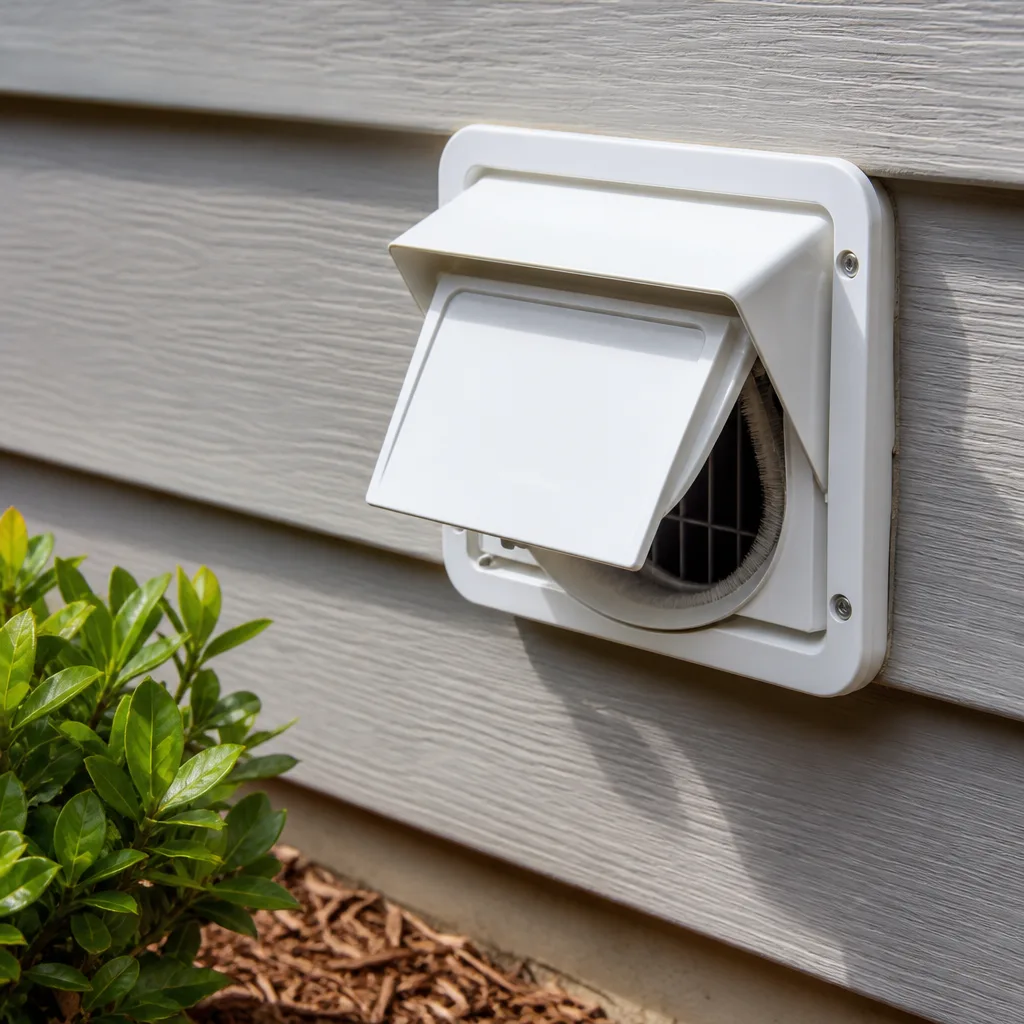 Dryer vent cleaning
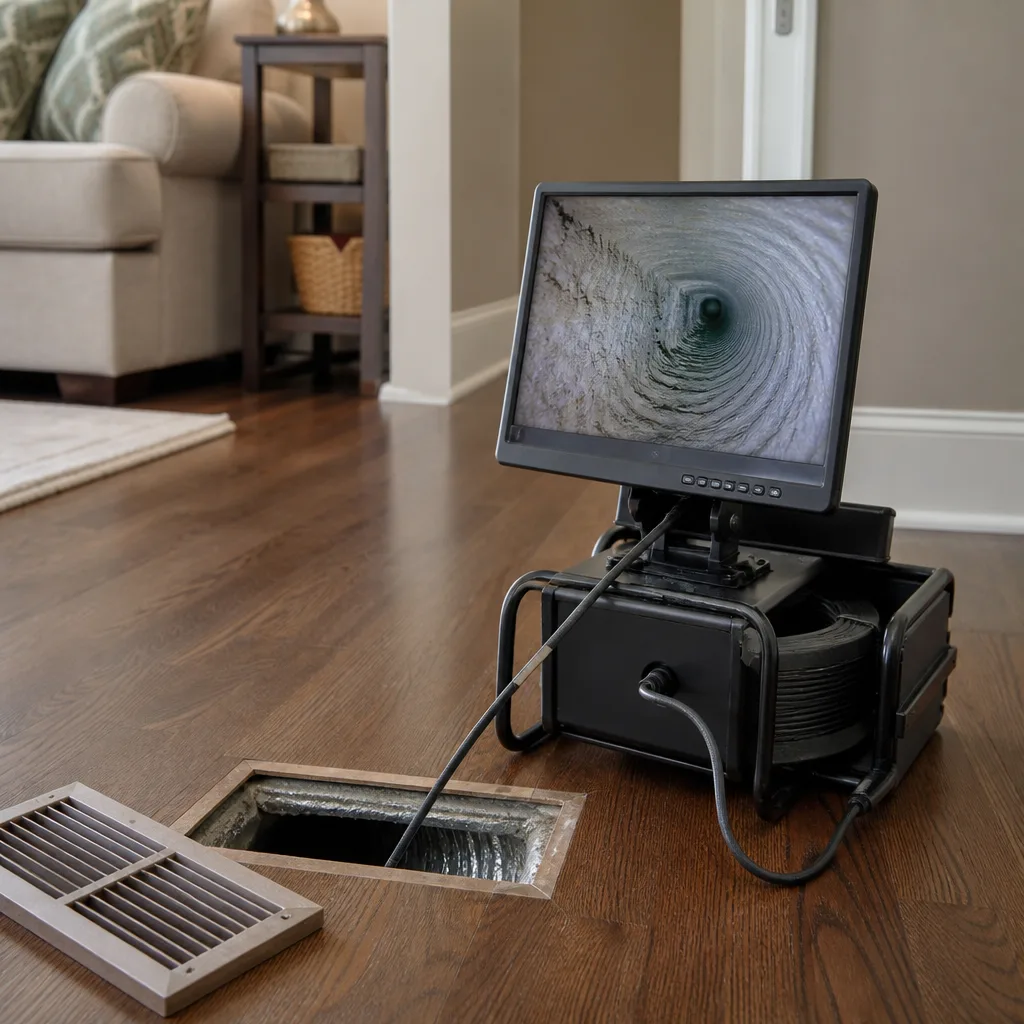 Camera inspection
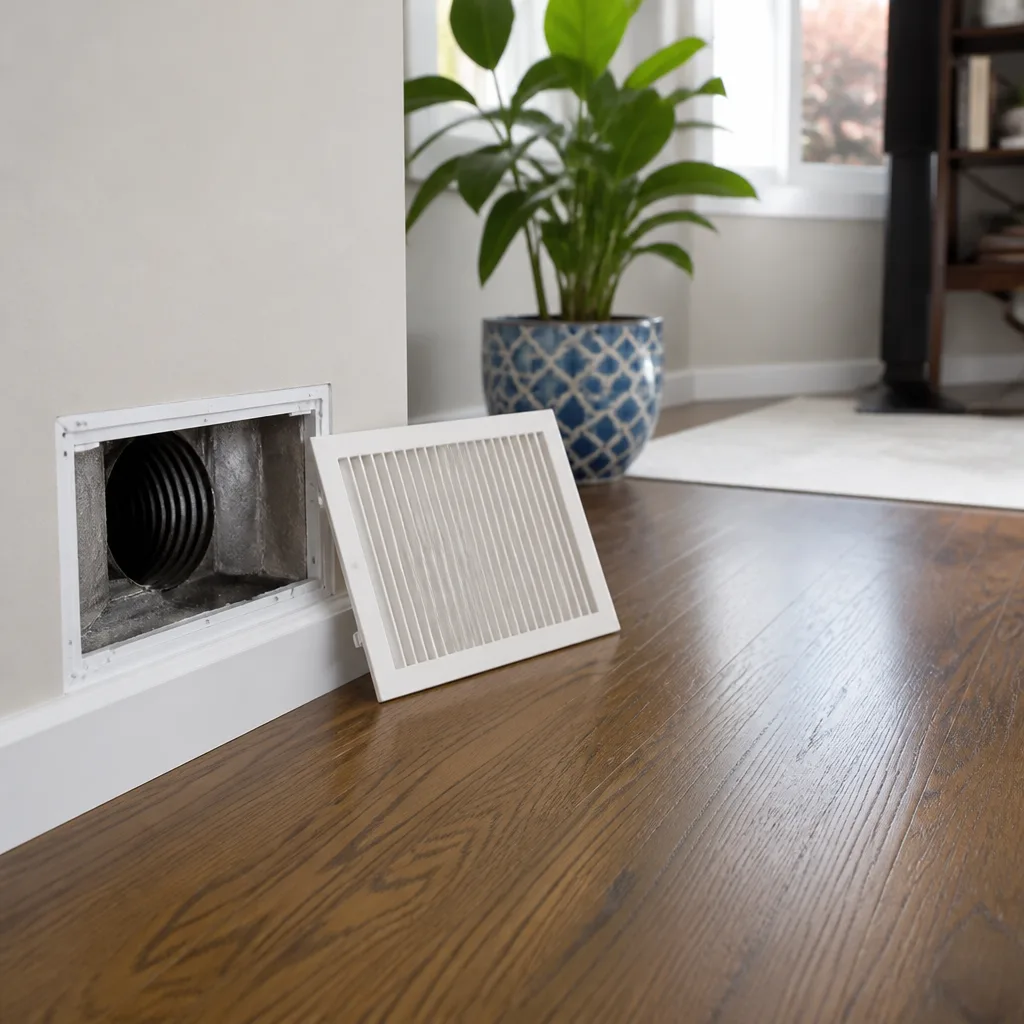 Sanitizing & deodorizing
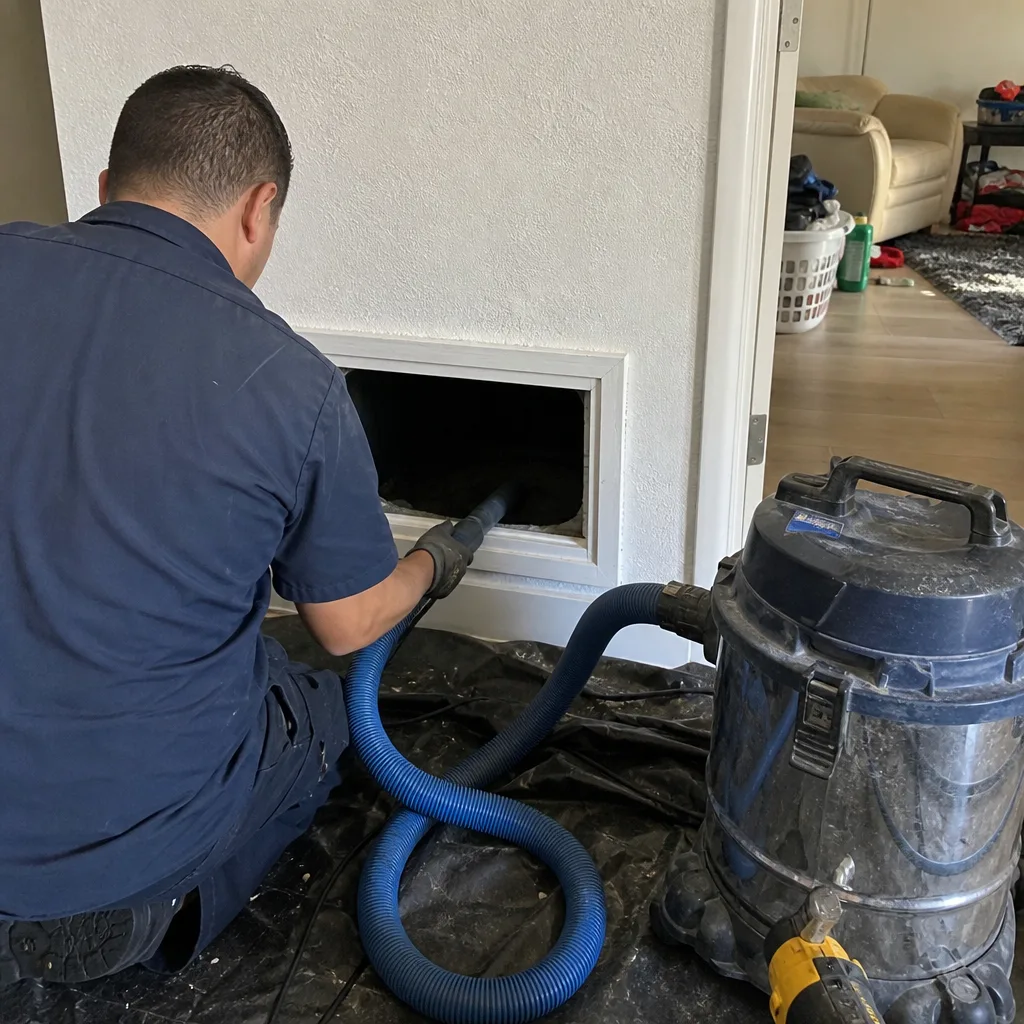
Whole-system duct and dryer vent check with before-and-after photos - you see exactly what came out of your vents
That "$99 whole-house special" is a bait ad - the real number appears once they are in your hallway, or the "clean" is a shop-vac at the register. We photograph the inside of your ducts before and after instead.
Rotobrush Vent Sanitizing: The Fort Lauderdale Owner’s Guide
If your Rotobrush vent sanitizing system has a failed part or is pumping less sanitizer than it should, we stock the replacement components to get it working again. Installed pricing in Fort Lauderdale for Rotobrush vent sanitizing repairs typically runs $185 to $460 depending on the part, and most swaps are done in a single visit. You’ll know something’s off when the mist comes out thin, the unit sputters, or the sanitizer tank drains faster than it should without visible output at the vent.
What usually brings people to us: they’re running their Rotobrush on a vent and notice the atomized sanitizer isn’t hitting the duct walls the way it did last year. Or the unit starts leaking at the connection points. Fort Lauderdale’s humidity does this equipment no favors, and parts that stay wet between uses break down faster here than they would in a dry climate.
One thing up front: Hollis Air Duct Fort Lauderdale is an independent service provider. We’re not affiliated with Rotobrush, but we run their rotary brush and sanitizing equipment on our own trucks every week, so we know the parts, the fittings, and what fails first.
Which Rotobrush Models This Applies To
Rotobrush made several generations of sanitizing systems, and the part you need depends on whether you’ve got the hand-pump sprayer, the electric ULV fogger, or the sanitizing module that attaches to the rotary brush line. The most common Rotobrush sanitizing units in this area are the aiR+ Sanitizer and the earlier Fogmaster-based systems. We cover all of them.
Here’s the compatibility gotcha most owners miss: the quick-connect fittings changed between series. Older Rotobrush sanitizing units from the mid-2010s use a 1/4-inch barbed fitting on the pickup tube, while newer units went to a push-to-connect design. If you order the wrong fitting online, it won’t seat, and you’ll have sanitizer dripping inside the housing. We match the part to the unit on site.
On the OEM versus aftermarket question for Rotobrush specifically: the pumps and nozzles are generic enough that a quality aftermarket equivalent works as well as the OEM part for most homeowners running occasional sanitizing cycles. Seals and gaskets are a different story. We use OEM-grade seals because the aftermarket ones harden fast when exposed to Rotobrush sanitizer concentrate left sitting in a warm Florida garage.
To identify your part, look for the model label on the base plate or the back of the handheld unit. If it’s worn off, bring the old part in or send us a photo. Roy Castellanos can usually ID it from the picture alone before we send a tech out.
Styles & brands we work with
Signs Your Rotobrush Vent Sanitizing Is Failing
- Thin mist or no mist at all: The most common failure is a clogged nozzle or a weakening pump. Fort Lauderdale’s hard water leaves mineral buildup in the nozzle bores, and once the aperture narrows, the fine mist you need to coat duct walls turns into a weak drizzle.
- Sanitizer pooling at the unit base: If you’re seeing liquid around the tank or housing, a seal or O-ring has given out. This is the Florida heat working against rubber components, and it only gets worse as the unit ages in your garage.
- The unit runs but cycles erratically: Intermittent power usually means the trigger switch or internal connection is failing. Rotobrush units from the last decade used a simple button circuit that corrodes faster here than in drier climates.
- Reduced spray distance: You used to reach the back of a 10-foot vent run and now the mist barely clears the register opening. That’s a pressure drop, almost always the diaphragm in the pump losing its elasticity.
- The pickup tube cracks or hardens: That plastic line sitting in sanitizer year-round becomes brittle. In Fort Lauderdale, the heat cycle accelerates this; a tube that’s stiff and yellowed is a leak waiting to happen mid-job.
See the difference
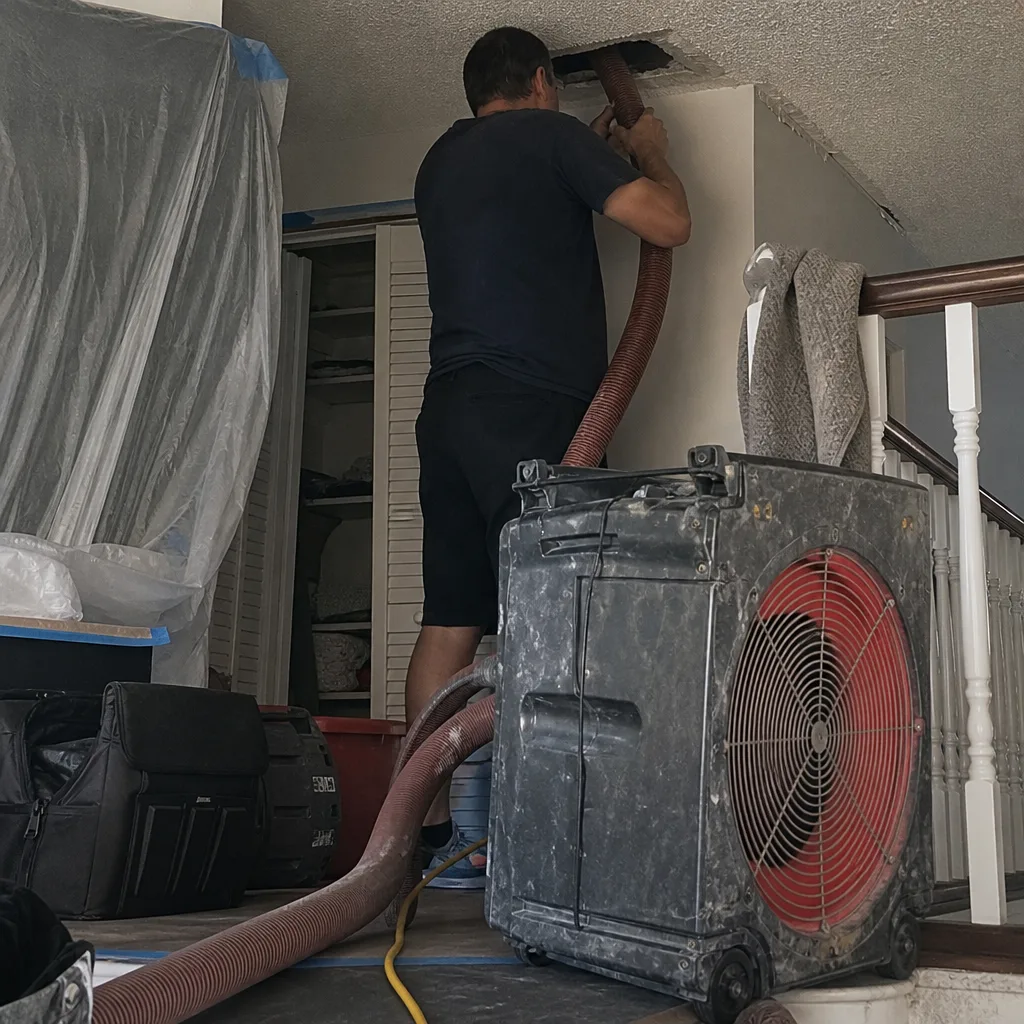 Before
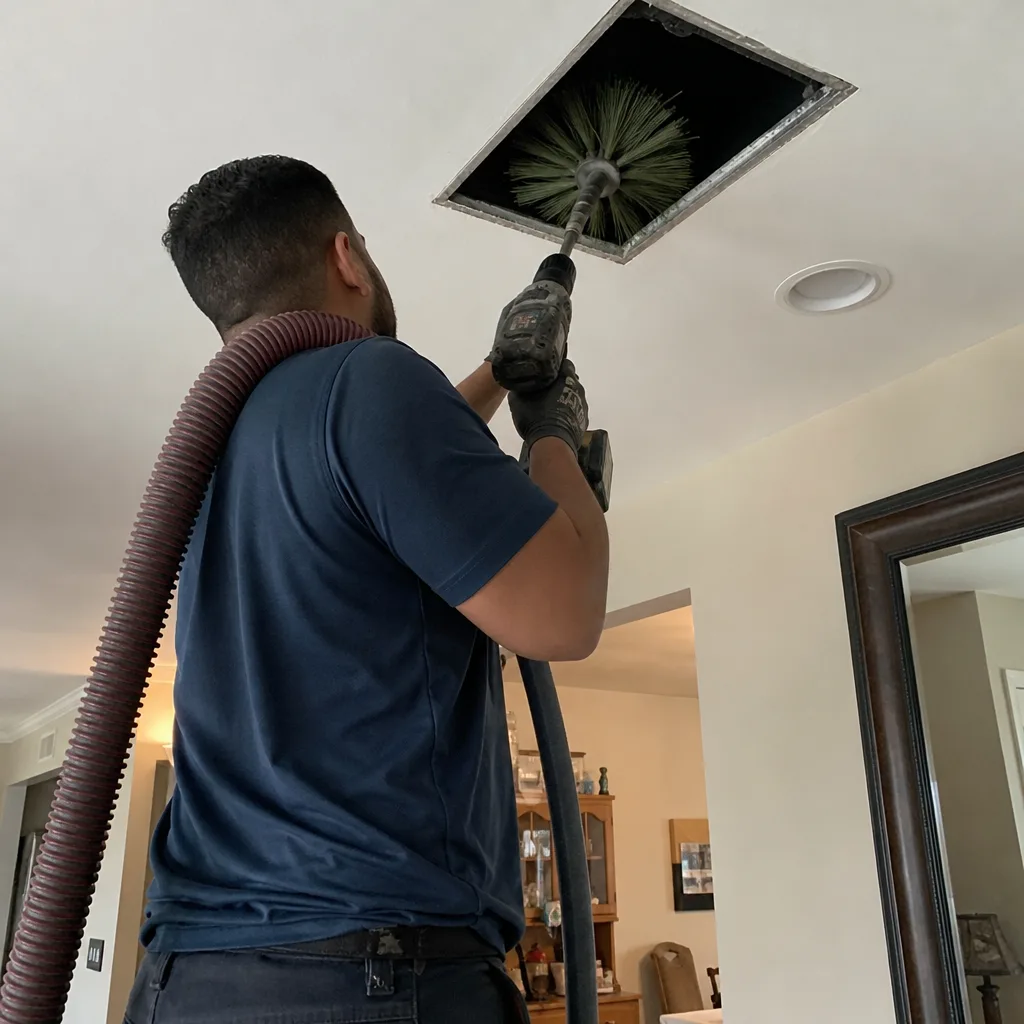 After
After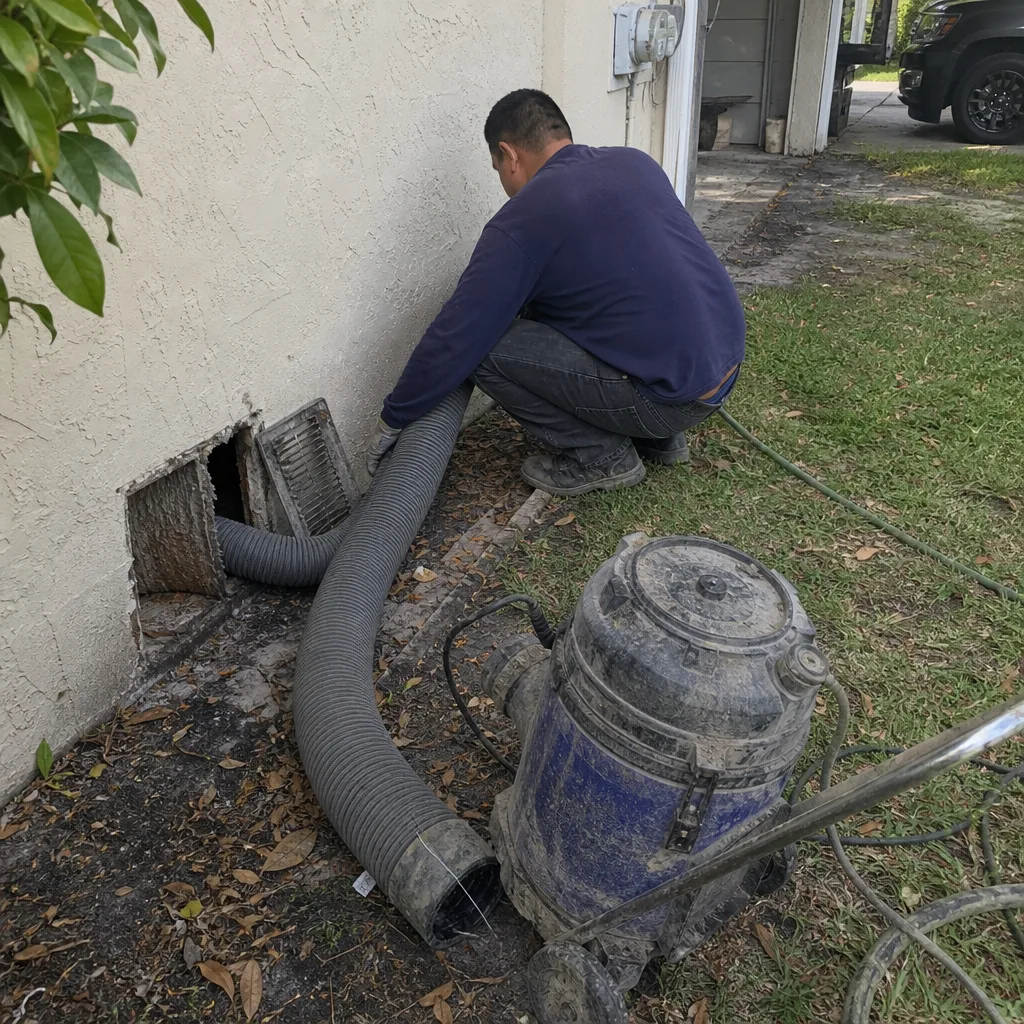 Before
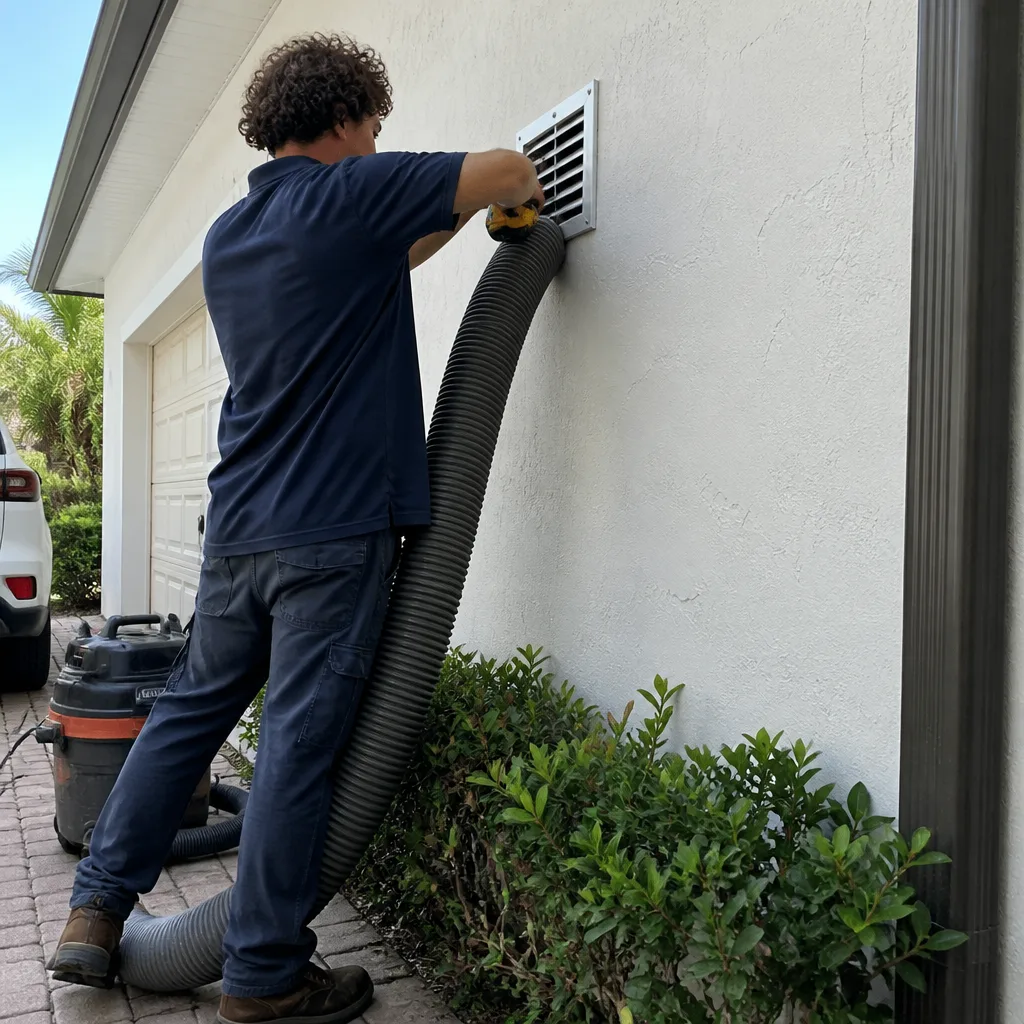 After
After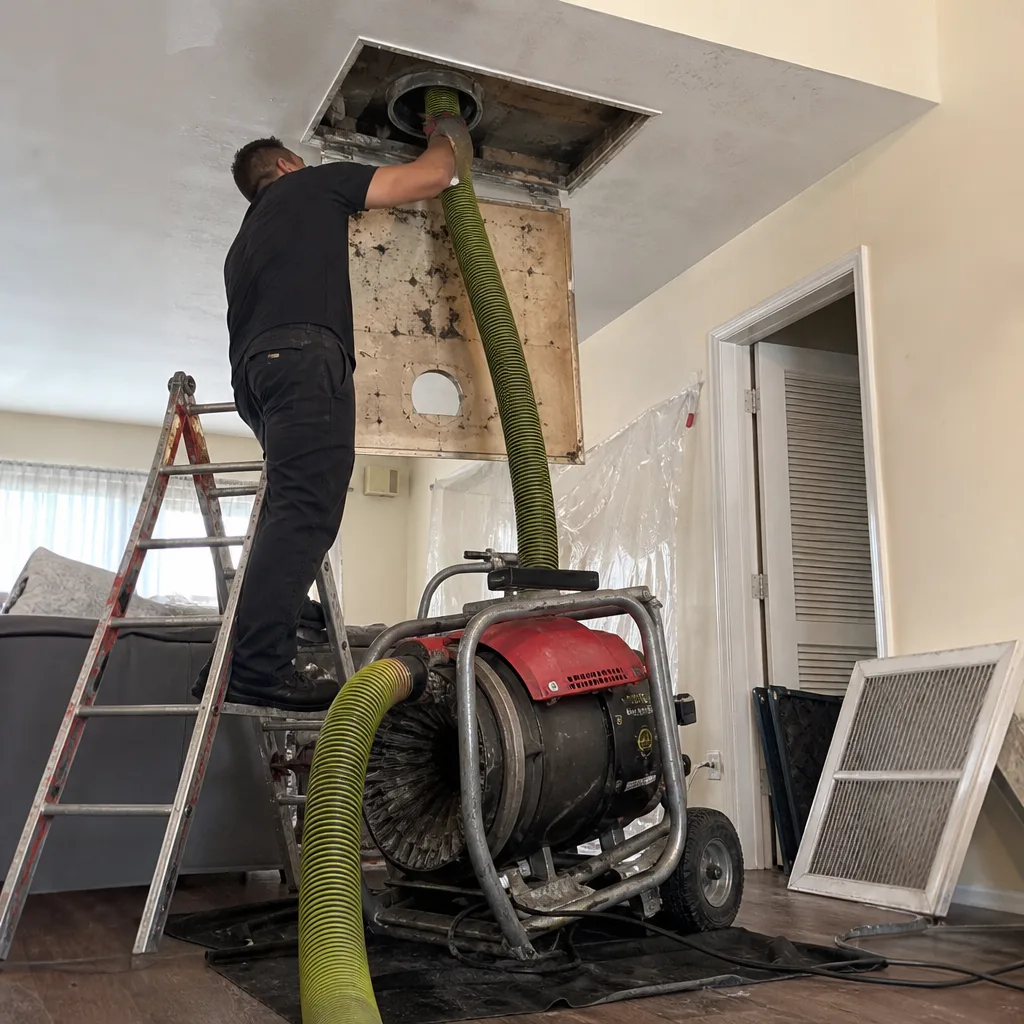 Before
 After
AfterReplacement Cost & What’s Included
Here’s what you can expect to pay in Fort Lauderdale for Rotobrush vent sanitizing repairs, parts and labor together:
- Nozzle replacement: $185 to $240
- Pump replacement (electric or hand-pump): $260 to $460
- Seal and O-ring kit (with cleaning of all contact points): $185 to $260
- Pickup tube and fitting replacement: $160 to $220
- Full unit rebuild (pump, seals, nozzle, tube, deep clean): $410 to $560
Each of these is the written price you get before we touch the unit. Not an estimate that moves after we open it up. We tell you what’s failed, what it costs to fix, and we don’t add line items at the door. Every repair is covered by our 365-Day Done Right Promise: if the same part fails within a year, we come back and make it right at no charge, including a free second visit.
DIY or Call Us?
You can safely check a few things yourself: inspect the pickup tube for cracks, clean the nozzle with a soft brush and warm water, and confirm the unit’s power connection is seated. That’s about where DIY should end. Opening the pump housing or forcing solvent through a clogged valve is how people turn a $200 fix into a $500 rebuild. The sanitizer concentrate is also not something you want spraying into your eyes or onto your skin while you’re troubleshooting.
If the problem is anything beyond a clogged nozzle, call us at (754) 354-3644. We’ll match the part, quote the full price in writing before work starts, and have your Rotobrush running again without making a mess of your garage or your ductwork. We stock the common Rotobrush parts on the truck in Fort Lauderdale, and we also keep parts for Lennox, Trane, and Carrier sanitizing systems for homes with other setups.
FAQs
In Fort Lauderdale’s heat and humidity, you should expect nozzles to last three to five years, pumps five to eight, and seals two to four years if the unit is stored indoors. Units kept in unconditioned garages or work vans see seals and tubes degrade roughly twice as fast. If you’re past year four on original parts, a preventive seal replacement is cheaper than a mid-job failure.
Nozzles can almost always be cleaned rather than replaced. Pumps can sometimes be rebuilt if the failure is caught early, but by the time most people call us, the diaphragm has torn and a replacement pump is the honest fix. We’ll tell you which one your unit needs, not which one puts more on the invoice. Call (754) 354-3644 and we’ll walk you through it.
Most single-part swaps (nozzle, tube, seal kit) take 30 to 60 minutes on site. A full pump replacement runs about an hour to 90 minutes. We do the work at your home in Fort Lauderdale, test the unit through several cycles before we leave, and you get lunch back.
Yes. We carry the common nozzles, seals, fittings, tubes, and pumps for Rotobrush sanitizing units on every truck running Fort Lauderdale routes. If your unit needs a less common part, we order it and schedule the repair inside a week. We’ll tell you that up front when you call (754) 354-3644.
Clean ducts move air. Everything else is just noise. If your Rotobrush vent sanitizing system is down, call Hollis Air Duct Fort Lauderdale at (754) 354-3644 for a free estimate. Written price before we start, done right, backed for a year.
Written by Roy Castellanos, Owner, Hollis Air Duct Fort Lauderdale at Hollis Air Duct Fort Lauderdale, serving Fort Lauderdale and nearby areas.