
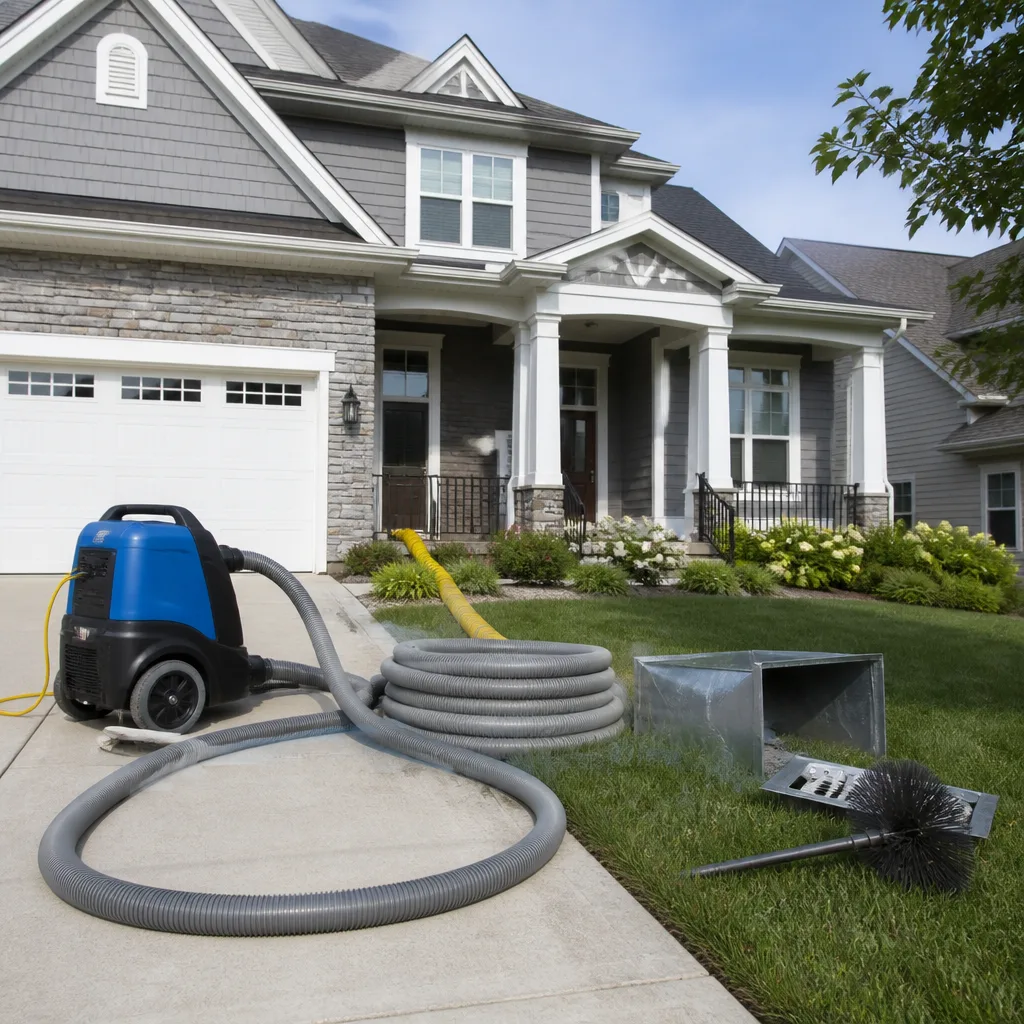
 Whole-home duct cleaning
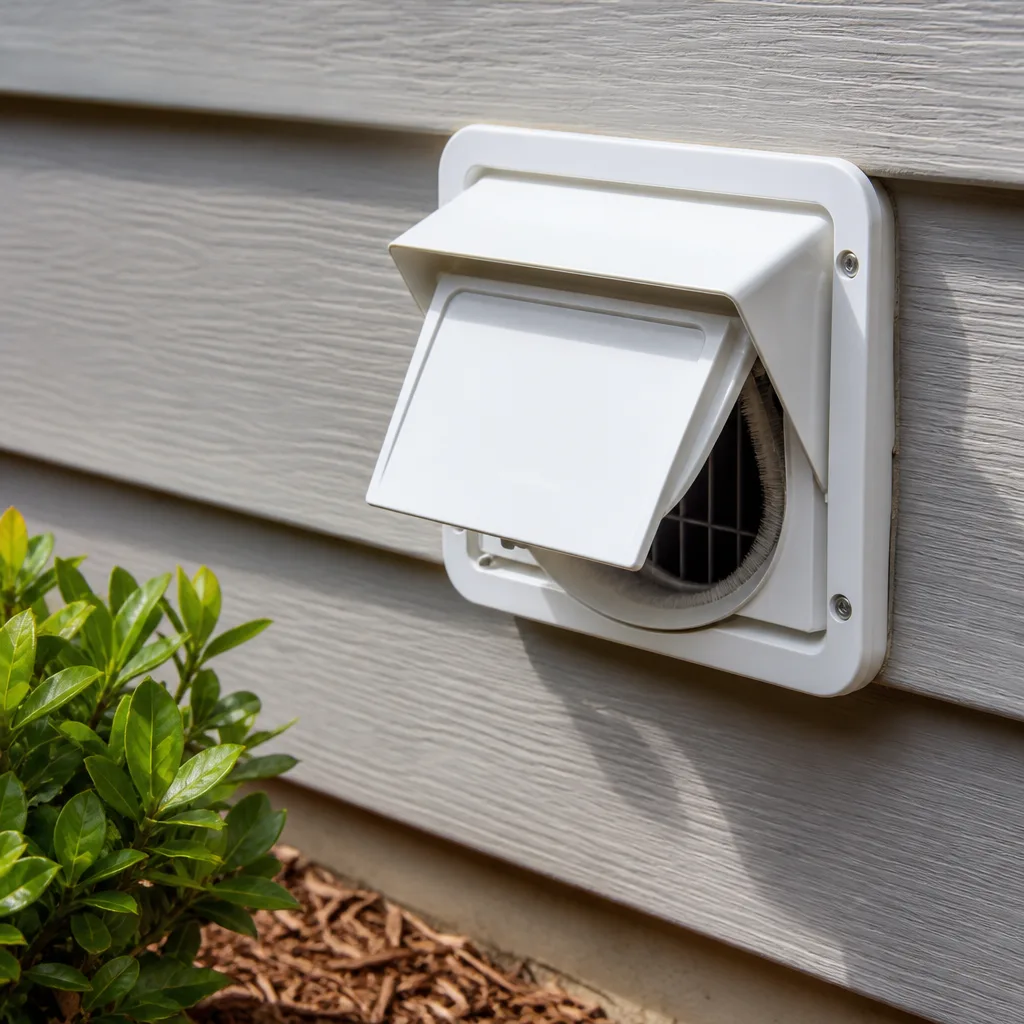 Dryer vent cleaning
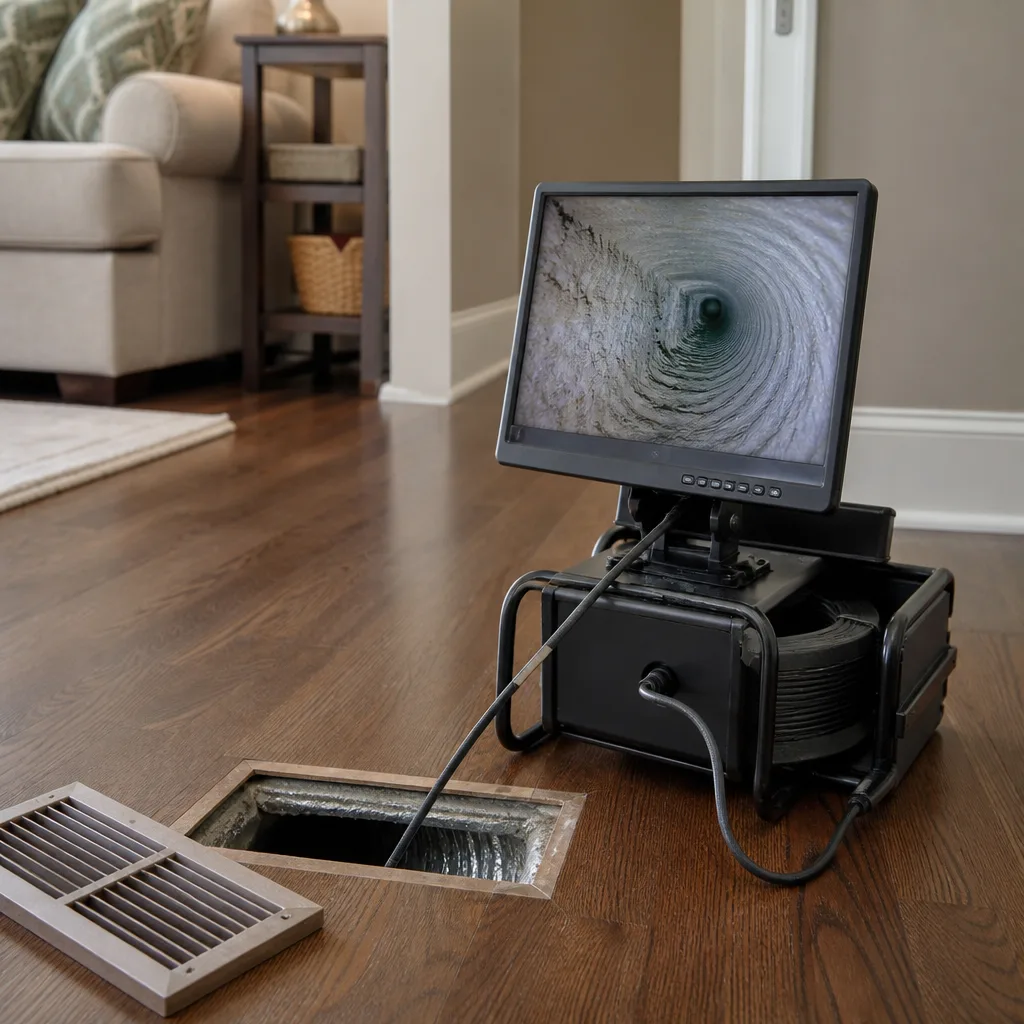 Camera inspection
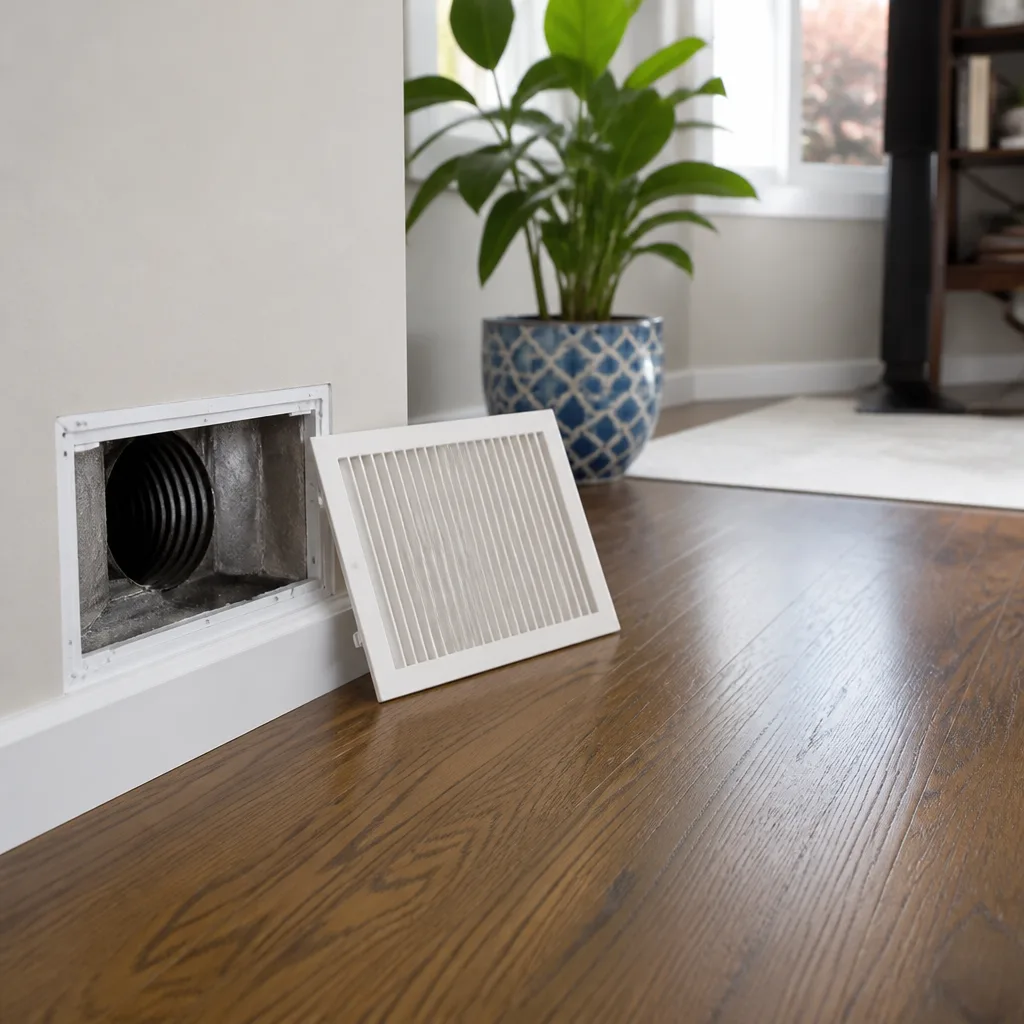 Sanitizing & deodorizing
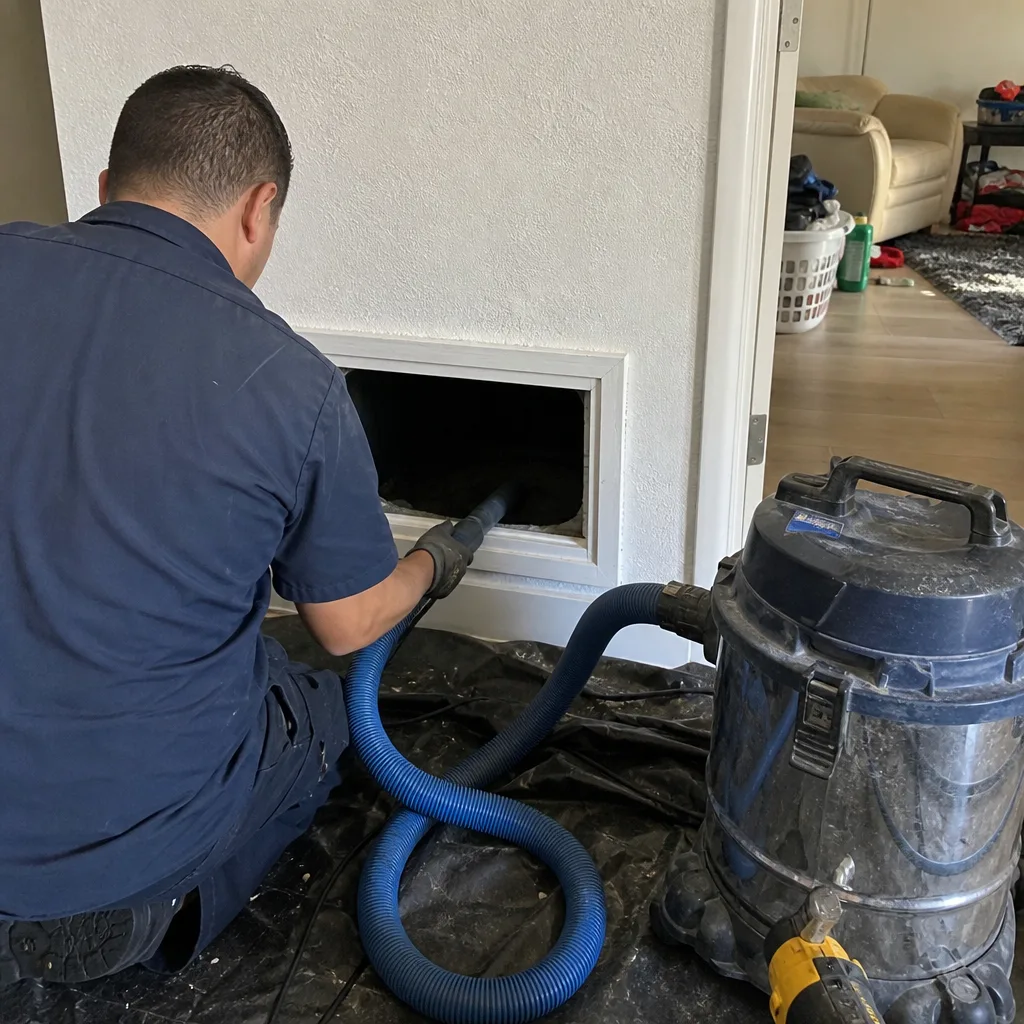
Whole-system duct and dryer vent check with before-and-after photos - you see exactly what came out of your vents
That "$99 whole-house special" is a bait ad - the real number appears once they are in your hallway, or the "clean" is a shop-vac at the register. We photograph the inside of your ducts before and after instead.
Honeywell Register & Grille Cleaning: The Fort Lauderdale Owner’s Guide
Register and grille cleaning for Honeywell-branded systems in Fort Lauderdale typically runs $189 to $385 depending on how many openings your home has and how heavily they’re coated. We perform this work on a scheduled basis, not emergency dispatch, because doing it correctly means pulling each register, cleaning the visible grille and the first few inches of duct behind it, and replacing everything square. Most homeowners in Fort Lauderdale call us after they notice a vent cover that won’t move freely, a dark film on the grille face, or dust streaks on the ceiling radiating outward from the register itself.
Honeywell registers and grilles do the same job as any other brand: they direct conditioned air into your rooms and return air back to the system. What’s different in Fort Lauderdale is the salt air and constant humidity. That combination bakes a mix of dust, skin cells, and moisture onto grille surfaces within 12 to 18 months. Once that film hardens, the damper blades bind, airflow drops, and your system runs longer to hit the thermostat set point. We’ve cleaned Honeywell registers in homes off Las Olas Boulevard that were so plugged the blades would not travel more than halfway open. The homeowner thought the AC was failing. It wasn’t. The register was just not letting air through.
Key Takeaways:
- Register and grille cleaning in Fort Lauderdale runs $189 to $385, written before work starts.
- Honeywell register and grille failures here are usually buildup-related, not mechanical.
- Every job includes cleaning the damper, the grille face, and the first section of duct collar.
- We’re an independent service provider, not affiliated with Honeywell. We clean the Honeywell parts already in your home.
- Roy Castellanos and the crew cover all of Fort Lauderdale, from the beach to the western neighborhoods.
Which Honeywell Models This Applies To
Honeywell registers and grilles used in residential Fort Lauderdale homes fall into a few common series. The CT and EARD lines cover most stamped-steel sidewall and ceiling registers, with sizes like 4×10, 6×10, 4×12, and 6×12 being the workhorses. The Honeywell Home line adds adjustable multi-shutter dampers in white and off-white finishes. If you’re looking at the register to identify it, check the back of the face plate or the inside of the collar for a stamped model number. If it’s painted over, measure the face opening to the nearest inch, because that dimension matters more than the model number when we order a replacement.
Here’s the compatibility gotcha most homeowners miss: Honeywell’s multi-shutter dampers use a stamped steel frame, not extruded aluminum. That means the blades sit tighter in the frame than on most aftermarket copies. When buildup hardens on a Honeywell register, the blades bind at the frame edge first. You’ll feel resistance at the lever, and that resistance is the blade edge scraping the caked-on film inside the frame. A cheaper aftermarket register with wider blade clearance won’t bind as quickly, but it also won’t seal as well when closed. For a homeowner wanting the right fix, the choice is usually OEM Honeywell if the register is still square, or a quality equivalent sized to match exactly. We’ll tell you straight if your existing register is worth cleaning or if you’re throwing money at a rusted frame that needs replacement.
Styles & brands we work with
Signs Your Honeywell Register & Grille Cleaning Is Failing
- A dark gray or brown film on the grille face you can’t wipe off with a rag. In Fort Lauderdale, this is dust mixed with humidity and sometimes a little salt air. Once it’s baked on, it needs solvent and agitation to remove, not just a damp cloth.
- The damper lever feels gritty or won’t hold its position. Build-up has gotten into the pivot points and the blade channels. Continuing to force the lever bends the stamped steel linkage, and once that’s deformed the register will never close tightly again.
- Dust streaks on the ceiling or wall radiating from the register. Air escaping around a partially closed damper deposits fine particles onto the surface around the vent. This is the clearest sign that airflow has been compromised for months.
- Rooms at the end of the duct run run hotter than the rest of the house. A restricted Honeywell register upstream steals air pressure from the whole branch. One binding register can throw off the temperature balance of multiple rooms.
- Whistling or hissing at the register face during cooling season. The same buildup that binds the blades also narrows the effective opening. Air velocity through a narrower slot creates the noise, and it means the blower is working harder to move less air.
Roy Castellanos grew up working with his hands in LA, learned the trade at Los Angeles Trade-Technical College, and has spent nearly two decades doing HVAC and duct work across South Florida. He’s pulled registers in high-rise condos near the Port Everglades corridor and in ranch homes west of I-95. The failure pattern is the same: the closer you are to the ocean, the faster the grime sets up.
See the difference
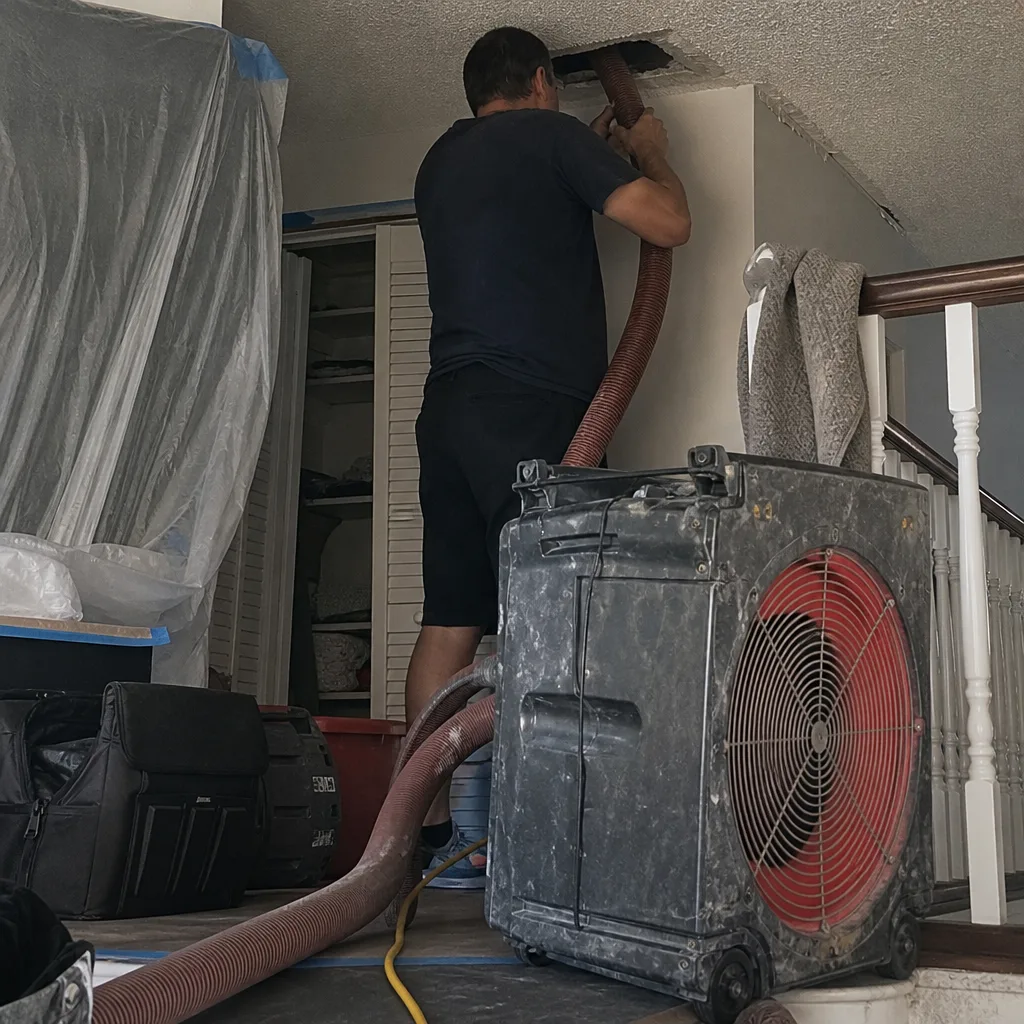 Before
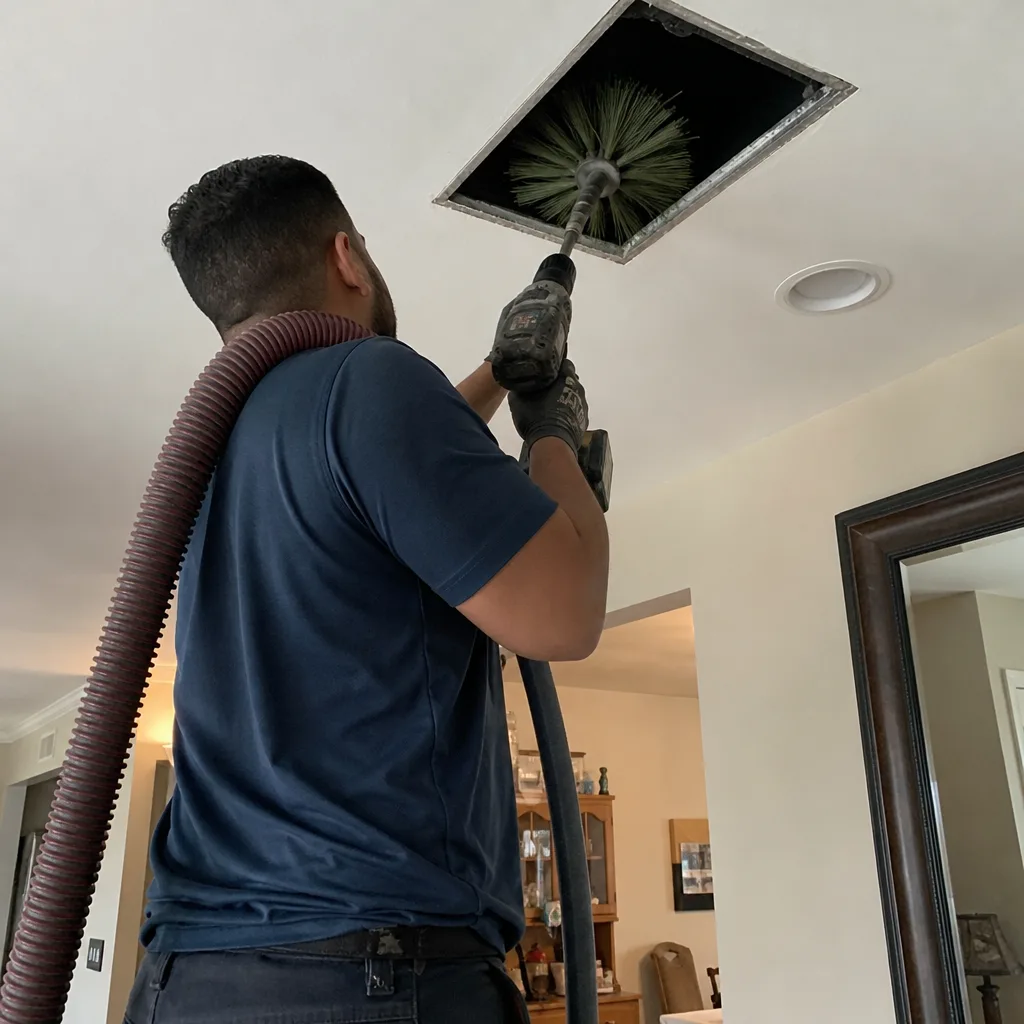 After
After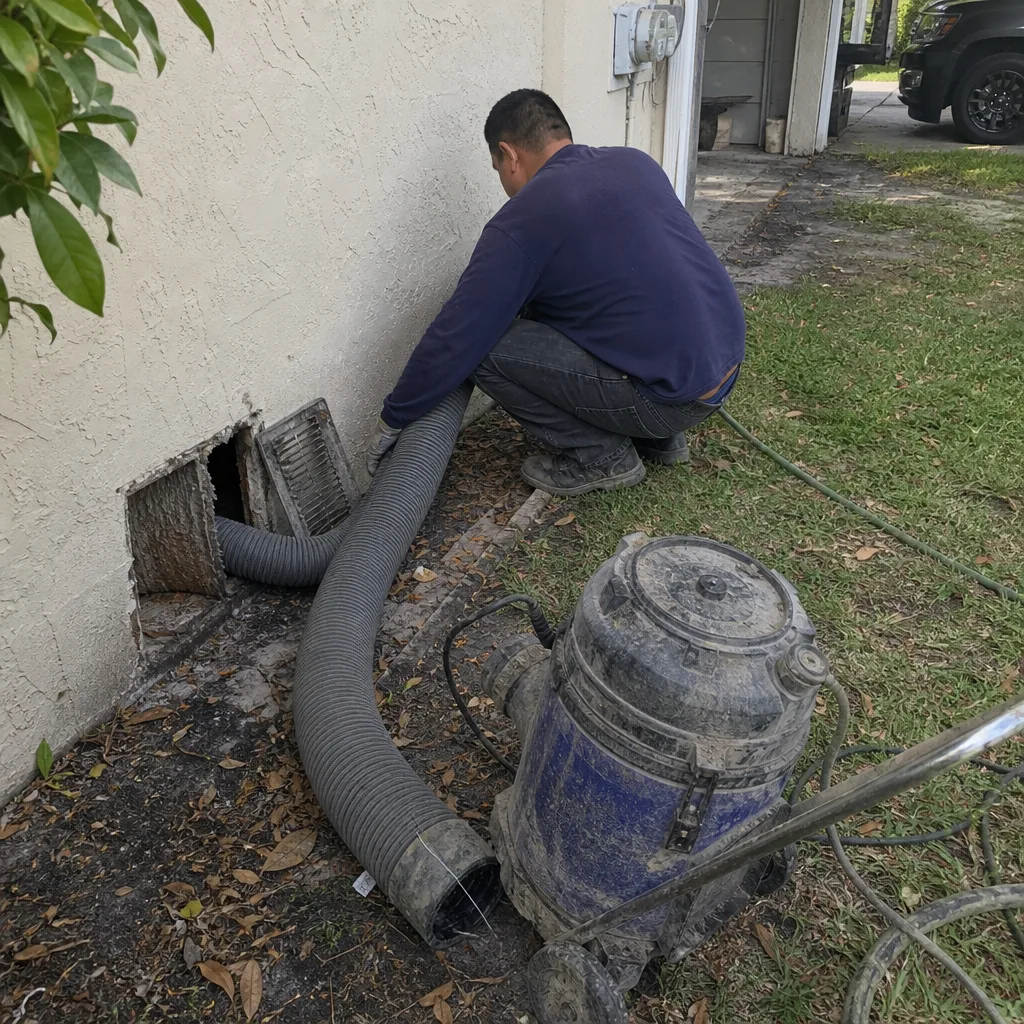 Before
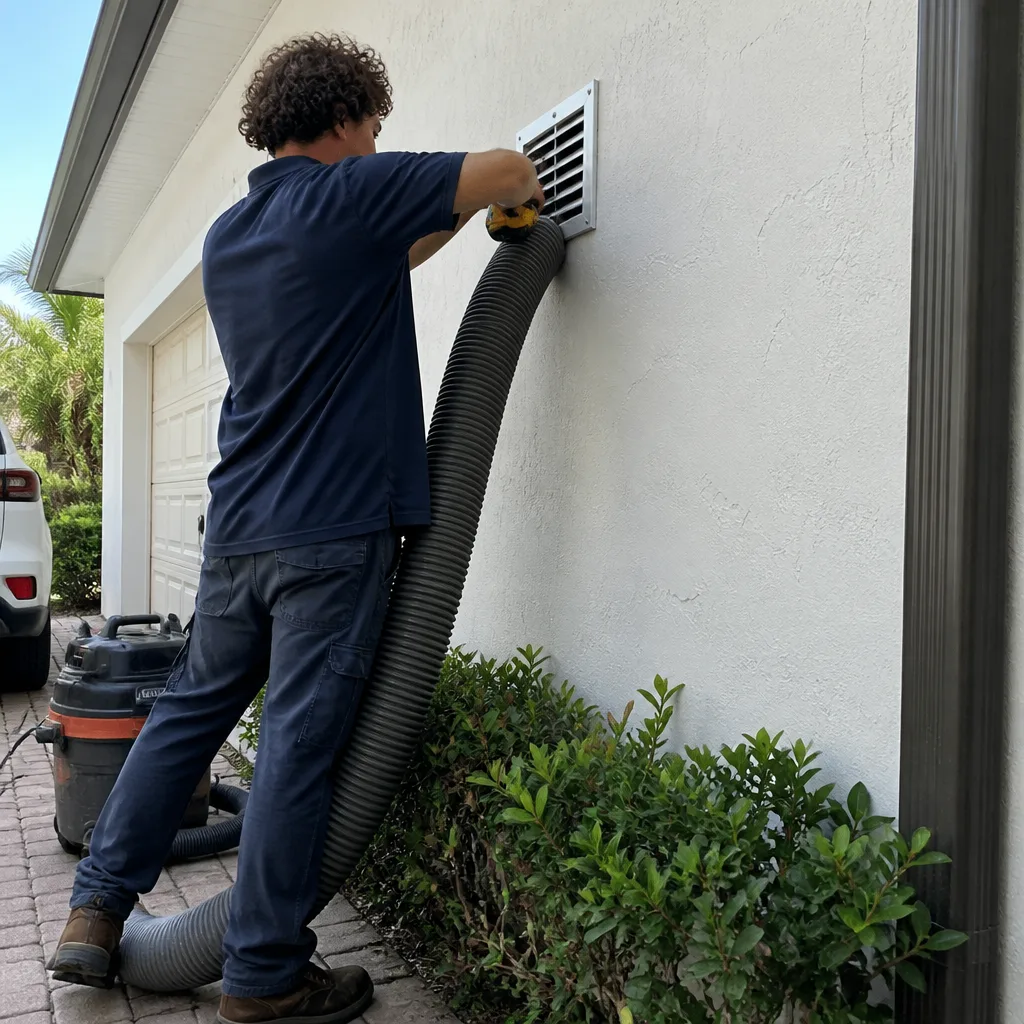 After
After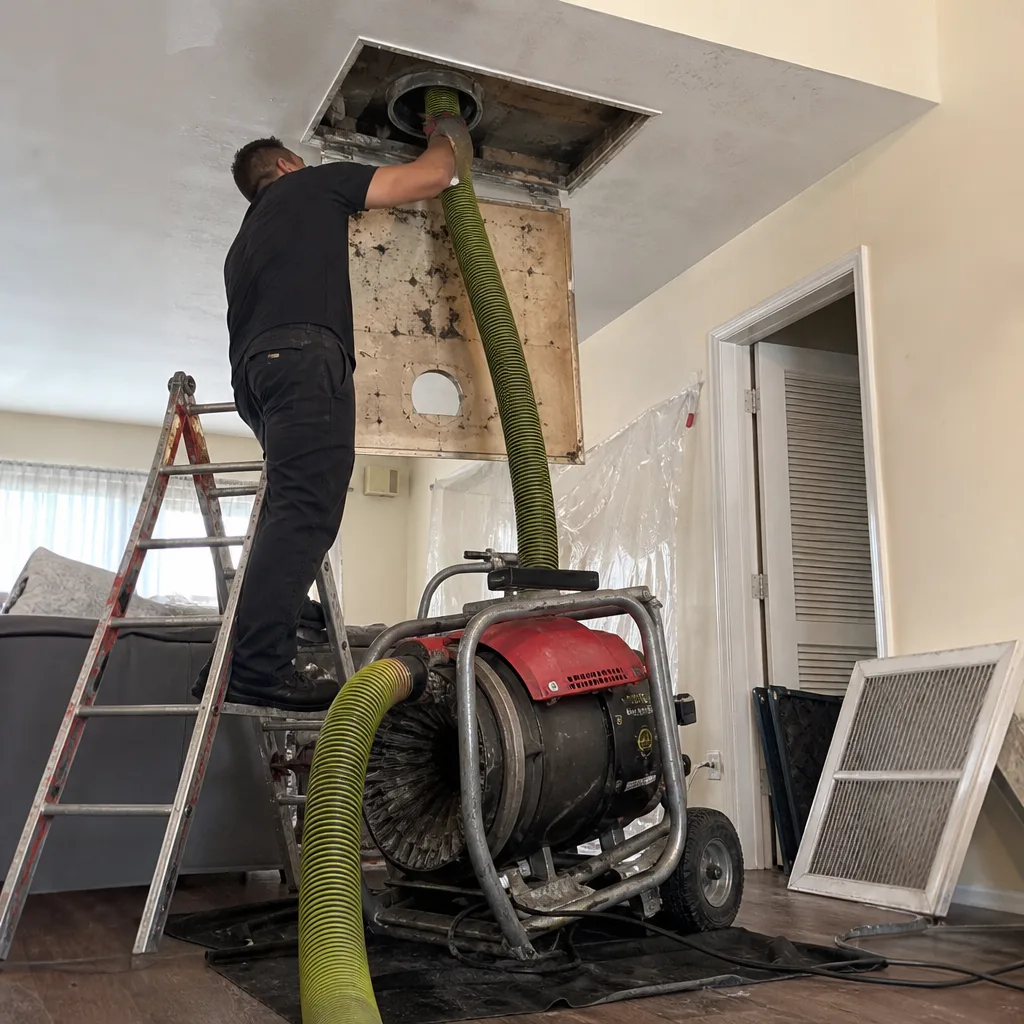 Before
 After
AfterReplacement Cost & What’s Included
In Fort Lauderdale, register and grille cleaning runs $189 to $385 for a typical home. The range depends on three things: the number of registers and grilles, how heavily coated they are, and whether any need to be replaced rather than cleaned. A 1,800-square-foot house usually has 8 to 12 openings. Smaller homes with fewer vents land closer to $189. Larger homes or ones with return grilles that have not been touched in years land higher.
The price is written before we start, and it does not move at the door. Every cleaning we do includes pulling each register, degreasing the grille face, freeing the damper blades and linkage, cleaning the collar and the first visible section of duct, and resetting the register square. If a register is too rusted or bent to clean properly, we tell you before we replace it and give you the cost on the spot. The work is covered by the 365-Day Done Right Promise. If a register we cleaned binds up again within a year, we come back and make it right at no charge, including a free second visit.
DIY or Call Us?
What you can safely do yourself: wipe a lightly dusty grille face with a damp cloth, check that the damper lever moves through its full range, and note which rooms feel stuffier than the rest of the house. That information helps whoever works on the system.
What goes wrong with DIY: pulling a register and trying to degrease it in the sink usually sends the baked-on grime into the threads of the damper linkage. Spraying penetrating oil into the pivot makes it better for a week and then worse, because the oil gives new dust something to stick to. And if the buildup is deeper in the collar or first section of duct, you’re not reaching it from the room side without the right tools. This is not a high-tension or electrical repair, so the risks are mostly to the register itself and to your air quality. But doing it halfway leaves the underlying restriction in place. Call us at (754) 354-3644 and we’ll tell you what the system actually needs.
FAQs
The registers themselves typically last 15 to 20 years in Fort Lauderdale if they are cleaned every 2 to 3 years. What fails first here is not the steel but the buildup on it. Homes within a few miles of the ocean can need cleaning every 18 to 24 months because salt air accelerates the film hardening. If your registers are older than that and the blades no longer move, replacement is usually the cheaper long-term fix compared to repeated deep cleanings. Call (754) 354-3644 for an honest assessment of your specific registers.
Most Honeywell register problems in Fort Lauderdale are buildup problems, not mechanical failures, so cleaning is the repair. A bent damper lever or a warped frame can sometimes be straightened, but if the steel has rusted through or the pivot is wallowed out, the register is done. We’ll tell you which it is before we do anything, and the cleanup price is already in writing.
A full register and grille cleaning on a typical Fort Lauderdale home takes 1 to 2 hours from start to finish. That includes pulling each register, cleaning the face and damper, addressing the collar, and re-installing everything square. Larger homes or heavily coated systems run longer, and we confirm the time window when we book the job.
We stock common Honeywell register sizes on our trucks, including 4×10, 6×10, 4×12, and 6×12, and we can source less common sizes and finishes quickly through our suppliers. We also work with Lennox, Trane, and Carrier registers and grilles when a home has a mixed system. If a replacement is needed, you’ll have the price before we install it.
Clean ducts move air. Everything else is just noise.
Call Hollis Air Duct Fort Lauderdale at (754) 354-3644 for a free estimate on Honeywell register and grille cleaning. We show up in a uniform, put the price in writing before any work starts, and stand behind the job for a full year. That’s the Garrison Standard, plain and simple.
Written by Roy Castellanos, Owner, Hollis Air Duct Fort Lauderdale at Hollis Air Duct Fort Lauderdale, serving Fort Lauderdale and nearby areas.