
Last updated October 15, 2026
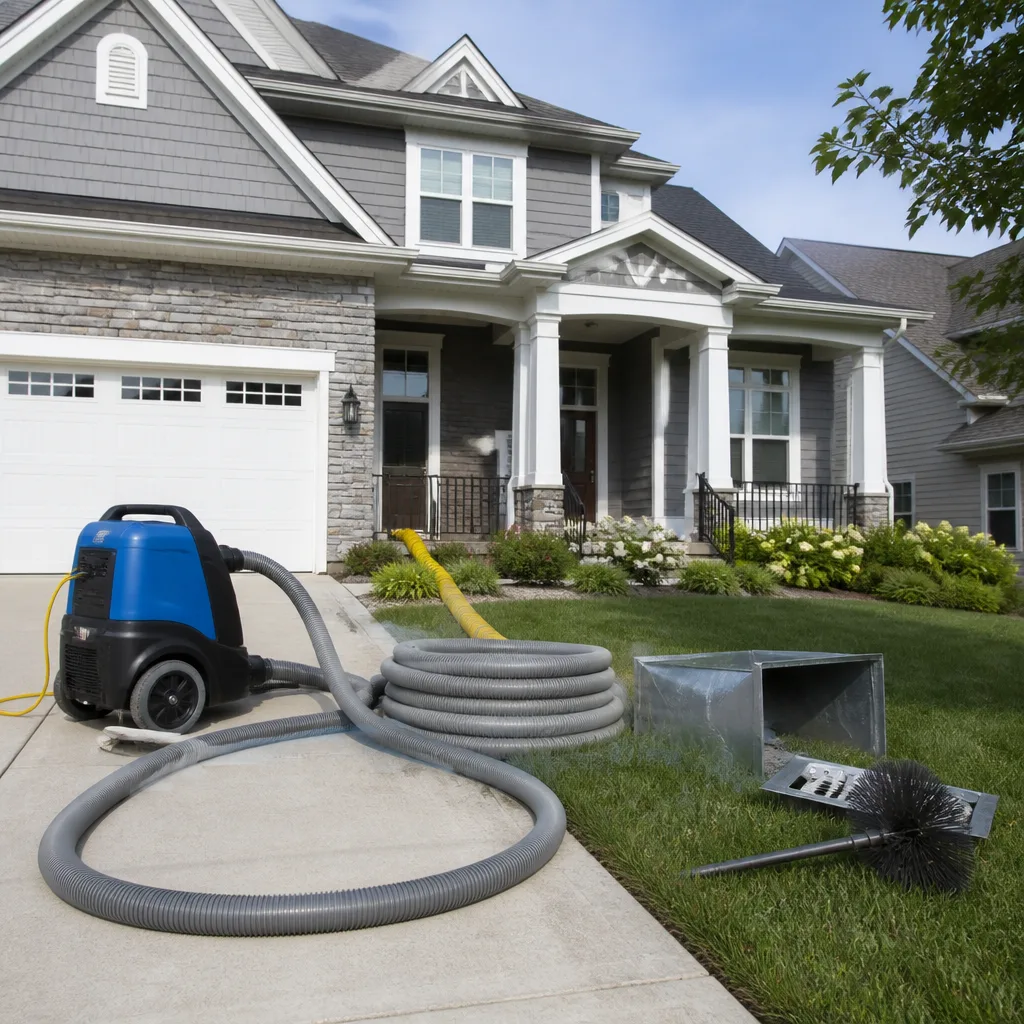 Whole-home duct cleaning
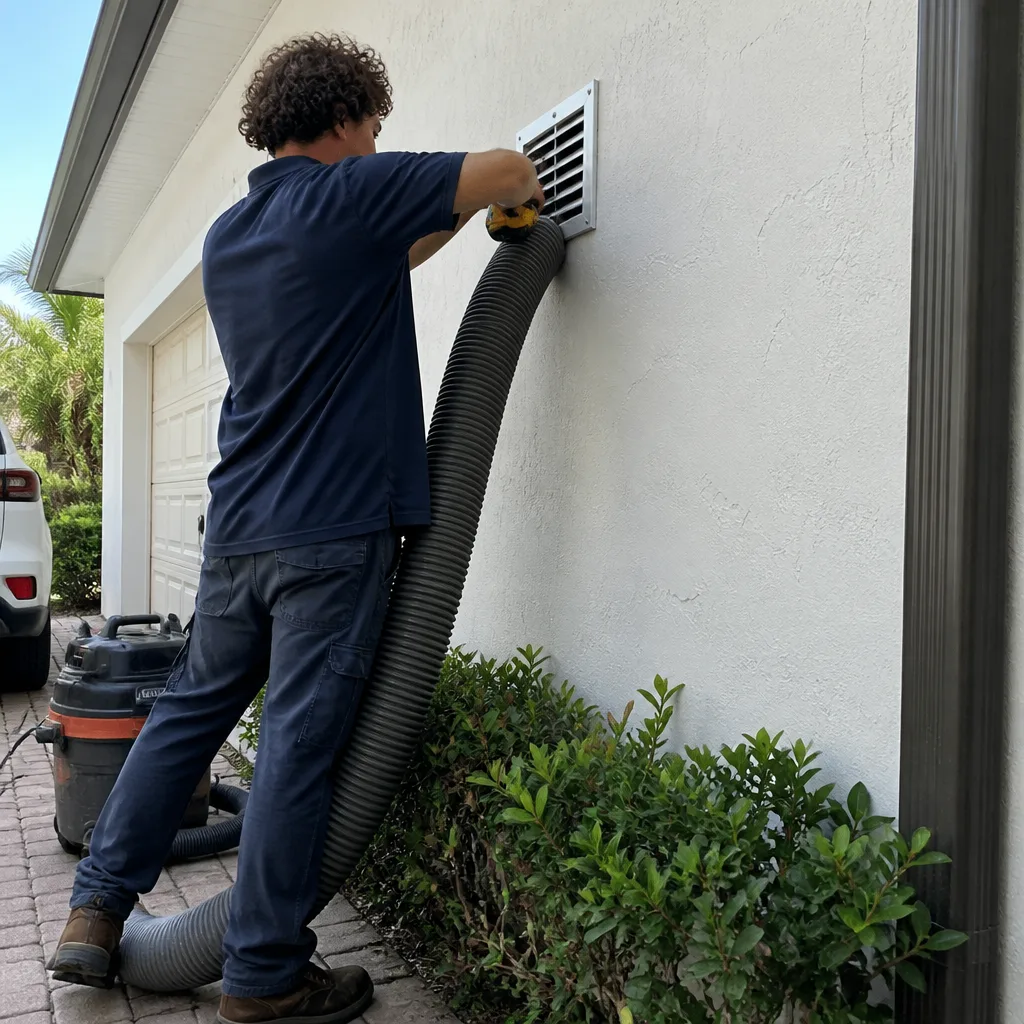
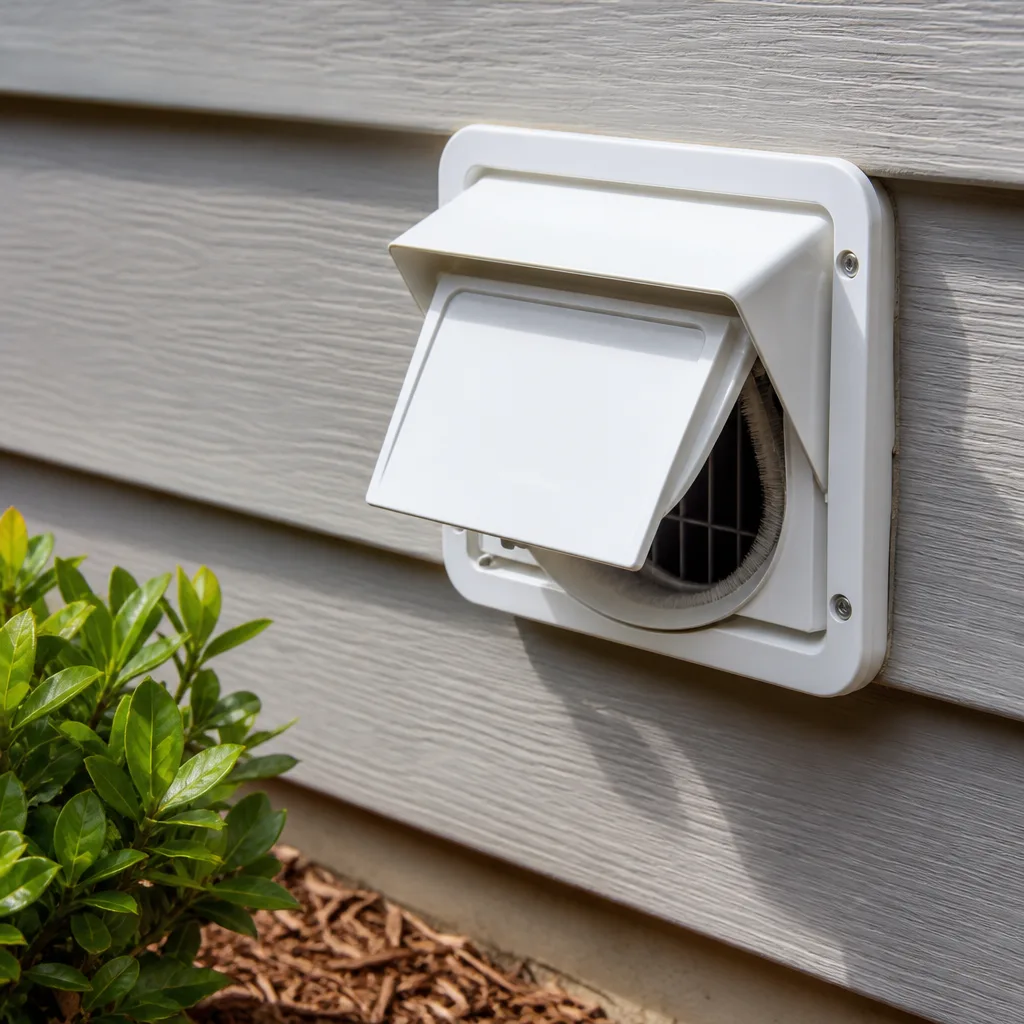 Dryer vent cleaning
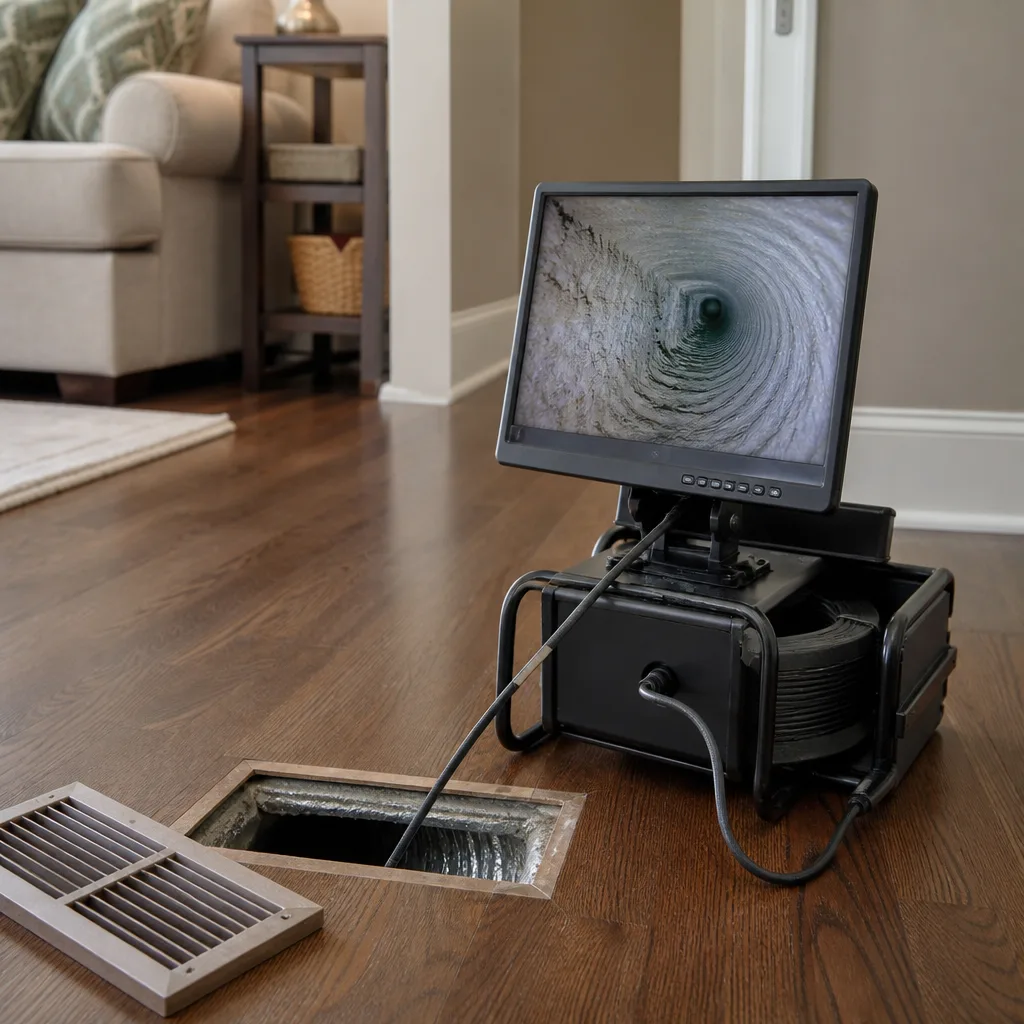 Camera inspection
 Sanitizing & deodorizing
Whole-system duct and dryer vent check with before-and-after photos - you see exactly what came out of your vents
That "$99 whole-house special" is a bait ad - the real number appears once they are in your hallway, or the "clean" is a shop-vac at the register. We photograph the inside of your ducts before and after instead.
Air Duct Cleaning Permits, Codes & Inspections in FL: What You Need to Know
Most homeowners in Fort Lauderdale assume duct cleaning is routine maintenance that never touches the permitting system. For a straightforward cleaning, that assumption holds. But the Florida Statutes draw a line most people never see until it costs them: the moment a job involves cutting new access panels, replacing duct sections, or applying antimicrobial chemicals to a system that moves air through living space, you are no longer looking at maintenance. You are looking at regulated contracting work that can require a state license, a local permit, or both. This guide explains where those lines sit, how Broward County enforces them, and what to ask before anyone pulls a vacuum hose off a truck at your door. For more detail, see our Complete Guide to Air Duct Cleaning in Fort Lauderdale.
Styles & brands we work with
Quick Answer
Standard air duct cleaning does not require a permit anywhere in Florida, including Fort Lauderdale. However, tasks that accompany a cleaning job, such as duct replacement, cutting new access panels into ductwork, or applying EPA-registered biocides, can trigger Florida contractor licensing rules under Statute 489 and mold-related licensing under Chapter 468. If a cleaning company or handyman performs regulated work without the proper license, you absorb the liability, and your insurance claim or future home sale can be affected.
Table of Contents
- When Duct Cleaning Needs a Permit in Florida
- Florida Statute 489: Where Maintenance Ends and Contracting Begins
- Chapter 468, Part XVI: The Mold Licensing Law and Your Ducts
- EPA-Registered Antimicrobial Products: What Florida Law Requires
- Broward County Codes That Affect Duct Work
- Post-Hurricane FEMA Claims, Insurance, and Permit Records
- Code-Compliant Cleaning Reports vs. Marketing Documents
- Common Mistakes to Avoid
- When to Call a Professional
- Frequently Asked Questions
- The Bottom Line
When Duct Cleaning Needs a Permit in Florida
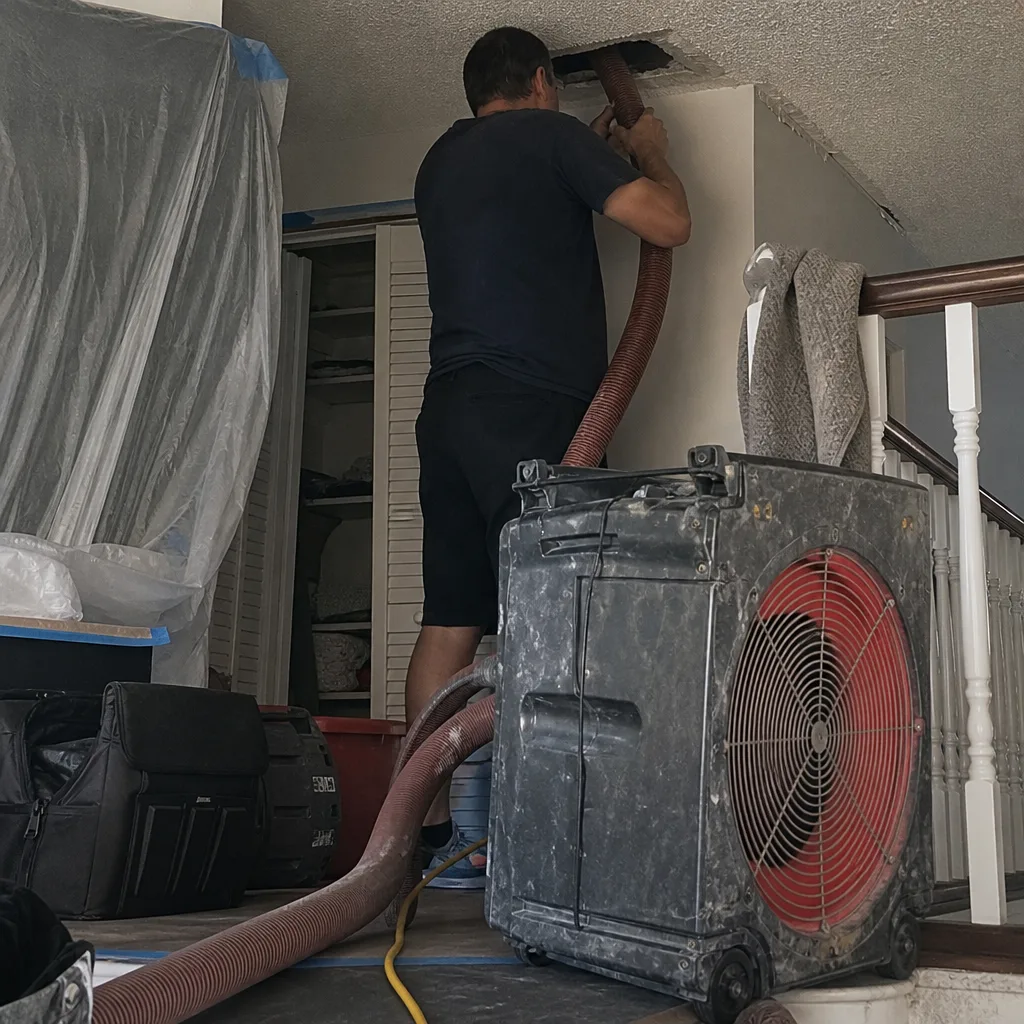
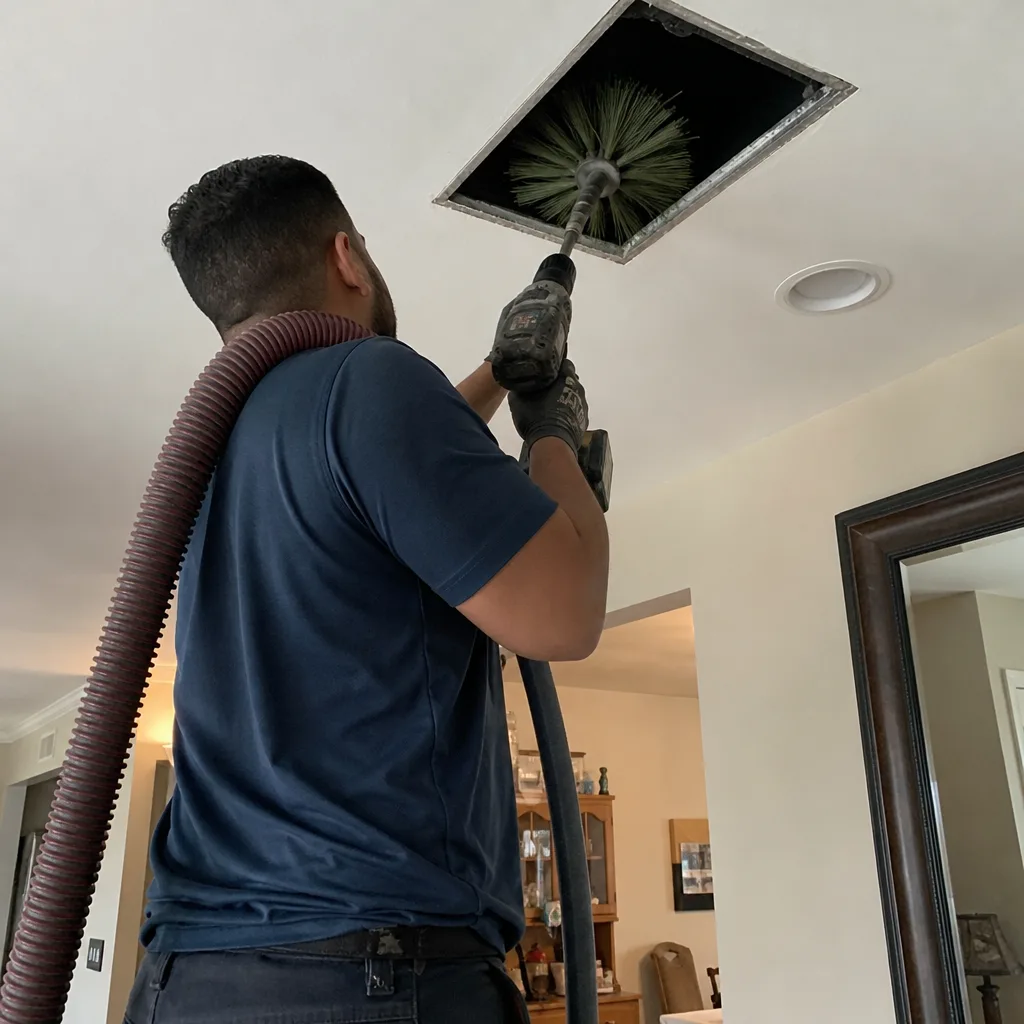
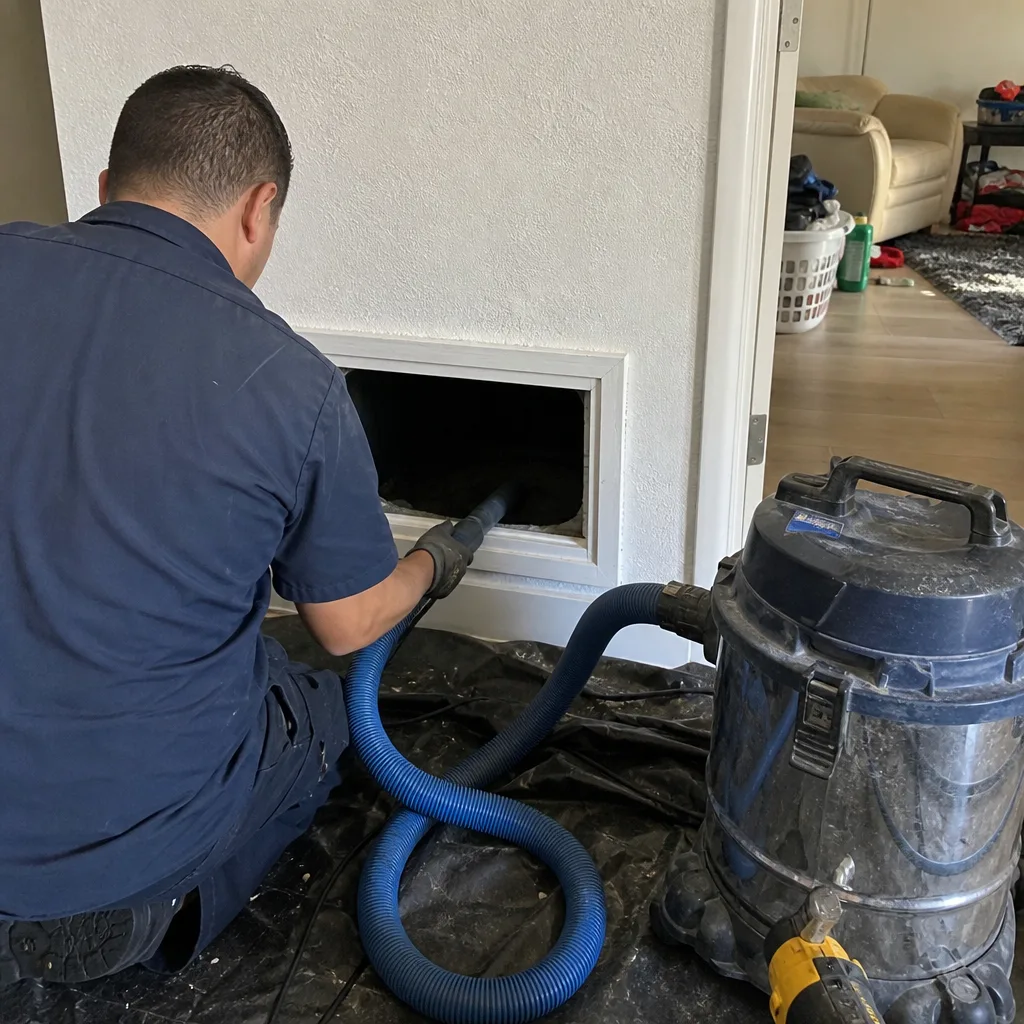
The short answer for most homes in Fort Lauderdale: a routine air duct cleaning in Fort Lauderdale using negative-air machines and rotary brush systems does not require a municipal permit. The work is classified as maintenance, not construction. The equipment stays outside the envelope of the structure, the ductwork is not altered, and the mechanical system’s function remains unchanged. That is the bright line.
But the line moves fast with three specific activities. First, cutting new access panels into sheet metal or fiberglass duct board changes the physical configuration of the system. That is alteration, not maintenance, and under Florida building code, alteration to a mechanical system requires a permit in most municipalities, including Fort Lauderdale. Second, replacing a rusted or crushed duct section during a cleaning means the contractor has now installed new material. Installation work on an HVAC distribution system is regulated contracting. Third, applying an EPA-registered antimicrobial coating or biocide inside the ductwork after cleaning triggers federal label-law requirements and, in some cases, Florida licensing obligations under the mold remediation statutes.
Homeowners often hear a technician say, “We can patch that while we are in there.” The patch may be minor. It may also be unpermitted work done by an unlicensed hand. The question to ask before work starts: “Are you a licensed mechanical or HVAC contractor, and will you pull a permit if any duct modifications are needed?” The answer tells you everything.
Florida Statute 489: Where Maintenance Ends and Contracting Begins
Florida Statute 489, the state’s contracting licensing law, defines contracting broadly enough to catch work that looks like cleaning but functions as installation or alteration. Ductwork is part of the mechanical system of a home. Under Chapter 489, anyone who “installs, repairs, alters, remodels, or adds to” a mechanical system in exchange for compensation is performing contracting work and must hold the appropriate license issued by the Florida Department of Business and Professional Regulation. Cleaning alone falls outside this definition. Adding, moving, replacing, or reconfiguring ductwork does not.
Here is the sequence of questions that determines where a job sits:
- Does the job change the physical duct system? If no, no license for the cleaning itself is required.
- Does the job involve patching or sealing ductwork? Duct sealing with mastic is considered maintenance when done to existing seams. Replacing a section of duct is not.
- Does the job involve cutting new openings? New access panels, new register boots, or new branch runs are alterations and require a licensed mechanical contractor.
- Does the job involve sanitizing with an antimicrobial? This triggers separate rules under Chapter 468, Part XVI and EPA label law, discussed below.
In Fort Lauderdale, the practical risk shows up when an unlicensed operator combines a low-cost cleaning with an opportunistic repair. The homeowner pays for the repair, the repair fails, and there is no license number to file a complaint against. That is the moment the savings disappear. We have walked into homes in Victoria Park and Rio Vista where a handyman had drilled access holes into rigid ducts without sealing the collar properly, leaving conditioned air blowing into the attic-exactly the kind of scenario covered in our guide to Air Duct Cleaning Warning Signs: A Fort Lauderdale Homeowner’s Reference Guide. The homeowner paid for a problem they did not have before.
Chapter 468, Part XVI: The Mold Licensing Law and Your Ducts
Florida created a specific license for mold assessors and mold remediators under Chapter 468, Part XVI, after the hurricane seasons of the early 2000s exposed widespread fraud in mold work. The law matters for duct cleaning because a technician who identifies mold growth in a duct system and then offers to clean or coat it has entered regulated territory. Under Florida law, a person cannot offer mold assessment or mold remediation services without holding a mold-related license issued by the Department of Business and Professional Regulation.
What counts as mold remediation in practice? The statute defines it as the removal, cleaning, sanitizing, or surface disinfection of mold or mold-contaminated materials, performed for compensation. If a duct cleaner opens a return plenum, sees microbial growth, and says “we can fog the system to kill that,” that is mold remediation activity under Florida law. A company can clean dirty ducts without a mold license. A company cannot treat, sanitize, or remediate mold in ducts without one.
South Florida’s humidity makes this scenario common. Air handlers in Fort Lauderdale run for thousands of hours a year in high-moisture air. Condensate pans overflow, duct insulation wicks moisture, and microbial growth appears on the interior surfaces of supply plenums. A legitimate cleaning company will know to stop at the line: clean what can be cleaned mechanically, and if mold is present, recommend a licensed mold assessor to evaluate the system. That is the disciplined answer, and it protects the homeowner from an unlicensed treatment that can make an insurance claim worse.
EPA-Registered Antimicrobial Products: What Florida Law Requires
When a duct cleaning company applies an antimicrobial or biocide product inside your ductwork, the product itself nearly always carries an EPA registration number. That registration number is not a badge of quality; it means the product has been approved for a specific use under specific conditions. The label on the container is a legal document under the Federal Insecticide, Fungicide, and Rodenticide Act. Anyone applying the product for compensation must follow the label exactly.
Three things happen in practice, and most homeowners never see any of them:
- The label must list HVAC duct use. Many antimicrobial products are registered for non-porous surfaces like bathroom tile. Using them inside fiberglass duct board is a label violation and may be ineffective or harmful.
- The company must provide label information before application. A contractor applying a biocide in an occupied space is expected to provide the product name, EPA registration number, and application instructions before the work begins.
- Occupants often need to leave during application and for a period after. The label defines re-entry time. A technician who says “you can stay in the house, it is safe” without referencing the label’s re-entry interval is not following the law.
- A storm pushes water through a roof or window opening, wetting insulation inside duct runs.
- A restoration company or handyman removes the wet insulation and duct sections, then installs replacement sections without a permit.
- Months later, the homeowner files a supplemental insurance claim for the duct work.
- The adjuster asks for the permit record. There is none. The claim is delayed, reduced, or denied.
- Hiring a handyman to replace a visible duct section during a cleaning. This is regulated contracting work under Florida Statute 489. Unlicensed installation can void a home insurance claim and fails a resale inspection.
- Accepting an antimicrobial fogging without seeing the EPA label. If the product is not registered for HVAC duct use or the technician cannot produce the label, the application is a legal violation and may harm indoor air quality.
- Assuming a low quote includes what was promised. A bait price for “cleaning only” becomes a full invoice when the technician “finds” a section that needs replacement. Insist on a written price before work and a written change order for any additional work, with license and permit confirmation.
- Skipping the permit search when buying a home in Fort Lauderdale. Ask the seller whether any duct alterations were made and whether permits exist. Unpermitted mechanical work is a negotiation issue and a future liability.
- Treating a post-hurricane duct cleaning as a casual expense. If ducts were wet or flooded, the work intersects with insurance claims and FEMA documentation. Unlicensed, undocumented work becomes an open item in the claim file.
- Believing that mold on a duct is a cleaning problem. Florida law separates mold assessment and remediation from cleaning. A cleaner who treats mold without a mold-related license under Chapter 468, Part XVI has put the homeowner in a regulatory gray zone.
- Ignoring the difference between a cleaning report and a marketing flyer. For condo boards, HOAs, and insurance files, the report is the record. Make sure it is specific enough to verify.
We use professional-grade equipment from Abatement Technologies and filtration products from Aprilaire where they serve the system. If a product application is part of the plan, the homeowner sees the label, the registration number, and the written protocol before the first spray. That is how a squared-away crew works. If a contractor cannot produce an EPA registration number on request, the job stops there.
Broward County Codes That Affect Duct Work
Broward County operates under the Florida Building Code, but local amendments and enforcement practices shape what happens on the ground in Fort Lauderdale. The mechanical chapters of the Florida Building Code govern duct construction, insulation, support, and sealing. When ductwork is altered, the alteration must comply with the current code, not the code from when the house was built. That is a point homeowners miss.
A common example: a 1980s home in Plantation or Lauderdale Lakes has uninsulated metal ducts running through a vented attic. A contractor opens the system for cleaning and discovers a section crushed by a fallen truss. He replaces that section with new metal duct. Under current code, that new section must meet current insulation and sealing requirements. If the contractor installs bare metal to match the old system, the work is a code violation even though it looks identical to what was there before.
Fort Lauderdale’s permit process for mechanical alterations runs through the city’s Building Services division. The permit triggers an inspection. The inspection creates a record. That record is the homeowner’s proof of code compliance, and it matters for insurance renewals, resale disclosures, and post-hurricane claims. A company that offers duct sealing in Fort Lauderdale or duct replacement should be able to speak plainly about the permit path for any work that exceeds maintenance. If they dodge the question, that is the answer.
Post-Hurricane FEMA Claims, Insurance, and Permit Records
Florida homeowners learn after a storm that insurance adjusters and FEMA inspectors work from records. If ductwork was replaced, cleaned, or altered after water intrusion, the claim file depends on documentation. A paid invoice for “duct cleaning” is weak evidence. A permit record with a passed inspection is strong evidence. The difference can mean thousands of dollars in a claim settlement or FEMA reimbursement decision.
Here is the sequence that causes problems in Fort Lauderdale after a hurricane or major storm:
Unpermitted work also surfaces during home sales. Fort Lauderdale real estate transactions routinely include a permit search. Buyers ask: was any work done on the HVAC system, and was it permitted? If the seller cannot produce permits, the deal can stall or the price adjusts downward. The least expensive cleaning in the world becomes the most expensive when it is undocumented alteration.
The same logic applies to condo associations along Galt Ocean Mile and Las Olas. Association boards require contractors to provide certificates of insurance, licenses, and permit plans for any work beyond cleaning. A vendor who cannot clear that bar will not get on the property, no matter how low the bid.
Code-Compliant Cleaning Reports vs. Marketing Documents
After a duct cleaning, homeowners receive a report. Some reports are genuinely useful. Many are marketing documents dressed as inspection findings. The difference matters for HOAs, condo boards, and anyone trying to prove the work was done correctly. A code-compliant cleaning report describes what was done, what was found, and what was left behind. It includes dates, equipment types, the method used (negative-air or rotary brush), and any deviations from the planned scope.
A marketing document, by contrast, leads with a sales pitch. It may include stock photos of dirty ducts pulled from a library, a “before and after” section using images that may not be your ducts, and a recommendation for a follow-up service that was not part of the original quote. It does not identify the technician, the equipment used, or the specific sections of ductwork that were accessed.
For a Fort Lauderdale homeowner dealing with an HOA or a property manager, the report is the proof of compliance. It should be specific enough that a third party could verify the work. At Hollis, every job includes a written scope before work begins and a written completion report after. The report states what was cleaned, how it was cleaned, and what was observed. It is a service record, not a brochure. That distinction is what allows a condo board to sign off without asking follow-up questions, and it is what a home inspector accepts as evidence during a resale.
Common Mistakes to Avoid
When to Call a Professional
Call a professional when the scope moves beyond simple cleaning. That means any visible duct damage, disconnected sections, signs of mold on the duct interior, a musty odor that persists after cleaning, or a plan to apply an antimicrobial product. These are the moments where licensing, permitting, and documentation become part of the job. A qualified contractor can tell you before work begins whether the job is maintenance or regulated work, and whether a permit is needed in Fort Lauderdale. Hollis Air Duct Fort Lauderdale offers free estimates and written scopes for duct cleaning, dryer vent cleaning, and duct sealing. If you are unsure whether your job crosses the permit line, call (754) 354-3644 and ask. We will tell you straight, whether the answer means a simple cleaning or a licensed mechanical contractor with a permit.
Frequently Asked Questions
No. Standard air duct cleaning using negative-air or rotary brush equipment is classified as maintenance and does not require a municipal permit in Fort Lauderdale. Permit requirements begin only when the work includes duct modification, section replacement, or the creation of new access openings.
Installing, replacing, altering, or reconfiguring ductwork requires a licensed mechanical or HVAC contractor under Florida Statute 489. Cleaning alone does not. If a company proposes to patch, move, or add duct sections during a cleaning visit, ask for the license number before they start.
Mold on duct surfaces is a remediation issue under Chapter 468, Part XVI. A company that offers to clean mold from ducts must hold a mold-related license. A cleaning company can clean dirty ducts but must refer visible mold growth to a licensed mold assessor or remediator rather than treating it themselves.
Any antimicrobial or biocide applied inside a duct system must be EPA-registered and the label must specifically permit HVAC duct use. The contractor must provide product name, registration number, and application instructions before applying the product in your home.
A useful invoice lists the address, date, technician name, specific sections of ductwork cleaned, equipment used, method (negative-air or rotary brush), before-and-after observations, and any materials applied with their EPA registration numbers. A generic invoice with a single line item for “duct cleaning” is weak documentation for insurance or resale purposes.
Yes. If ductwork was altered or replaced without a permit and the alteration is later involved in a claim, the insurer may delay, reduce, or deny coverage because the work lacks a compliance record. FEMA reimbursement after a storm follows similar documentation requirements.
Every 3 to 5 years is a reasonable interval for most Fort Lauderdale homes, though homes with shedding pets, recent renovations, or high humidity issues may need service sooner. Dryer vent cleaning is a separate service with its own schedule and fire-safety rationale. For an exact recommendation based on your system, contact us at (754) 354-3644.
The Bottom Line
Air duct cleaning in Florida is maintenance until it is not. The moment a job includes duct alteration, replacement, panel cutting, or antimicrobial application, it moves into the regime of licenses, permits, and records. Homeowners in Fort Lauderdale who know where that line sits can protect themselves from unlicensed work, insurance complications, and resale problems. Browse more guides & resources to stay informed. The disciplined approach is to ask before hiring: what is the license number, will a permit be pulled if needed, and what documentation will I receive when the job is done. If the answers come easily and in writing, you are working with a contractor who operates inside the code. If they do not, find someone who does.
Written by Roy Castellanos, Owner at Hollis Air Duct Fort Lauderdale, serving Fort Lauderdale since 2004.
See the difference
 Before
 After
After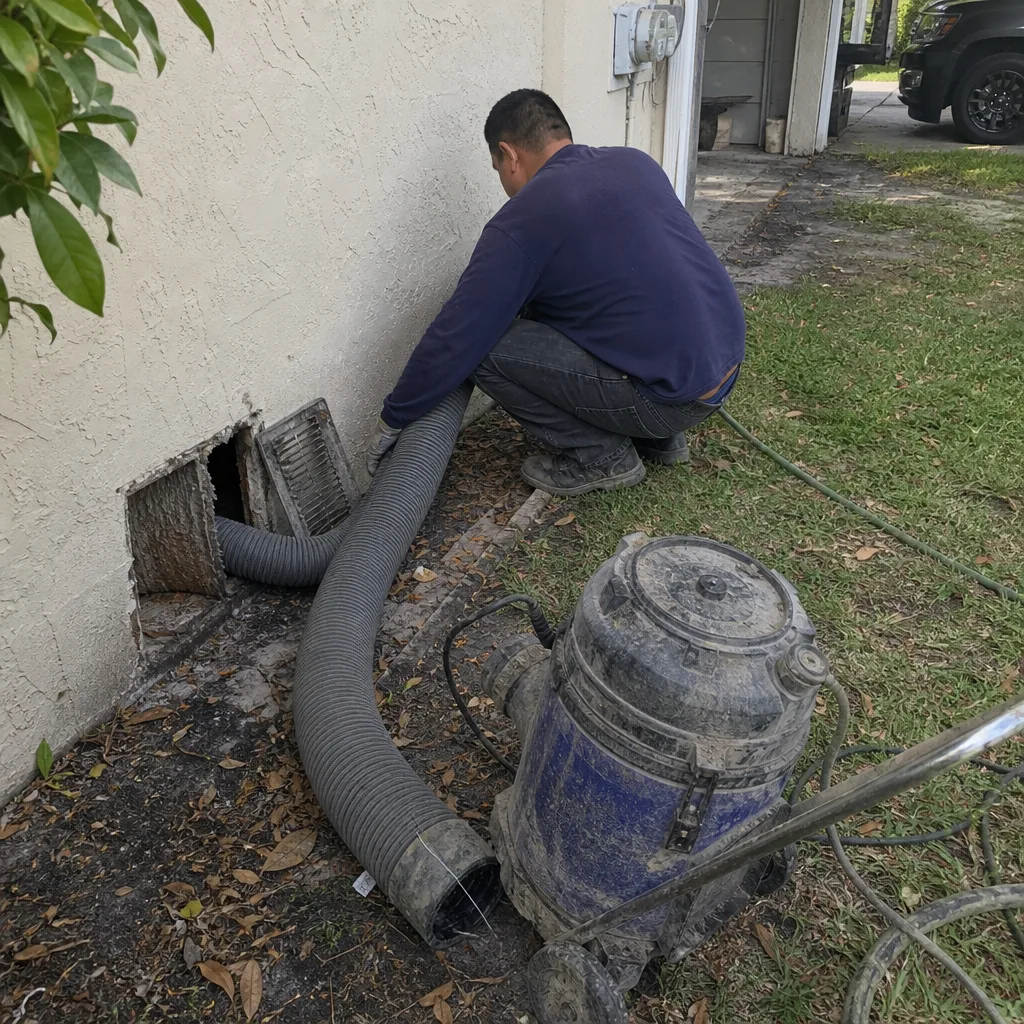 Before
 After
After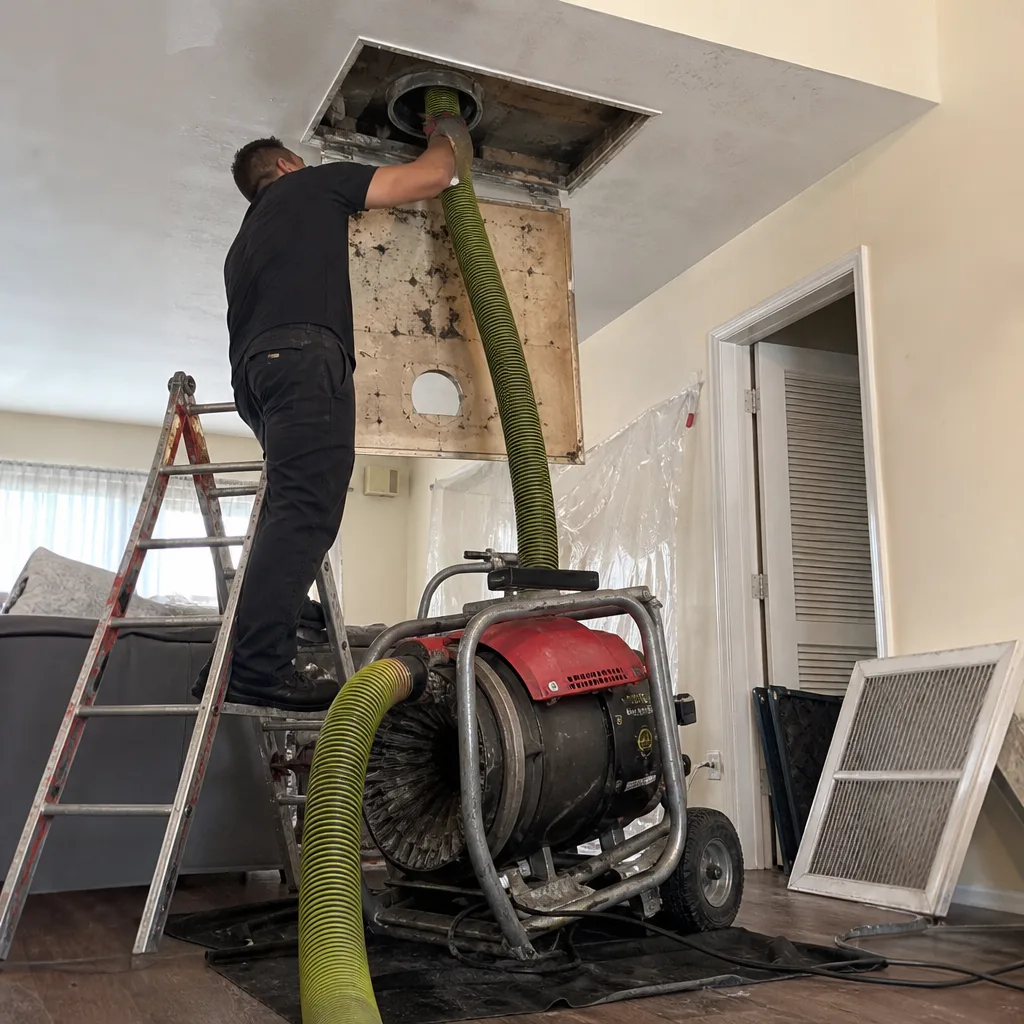 Before
 After
After