
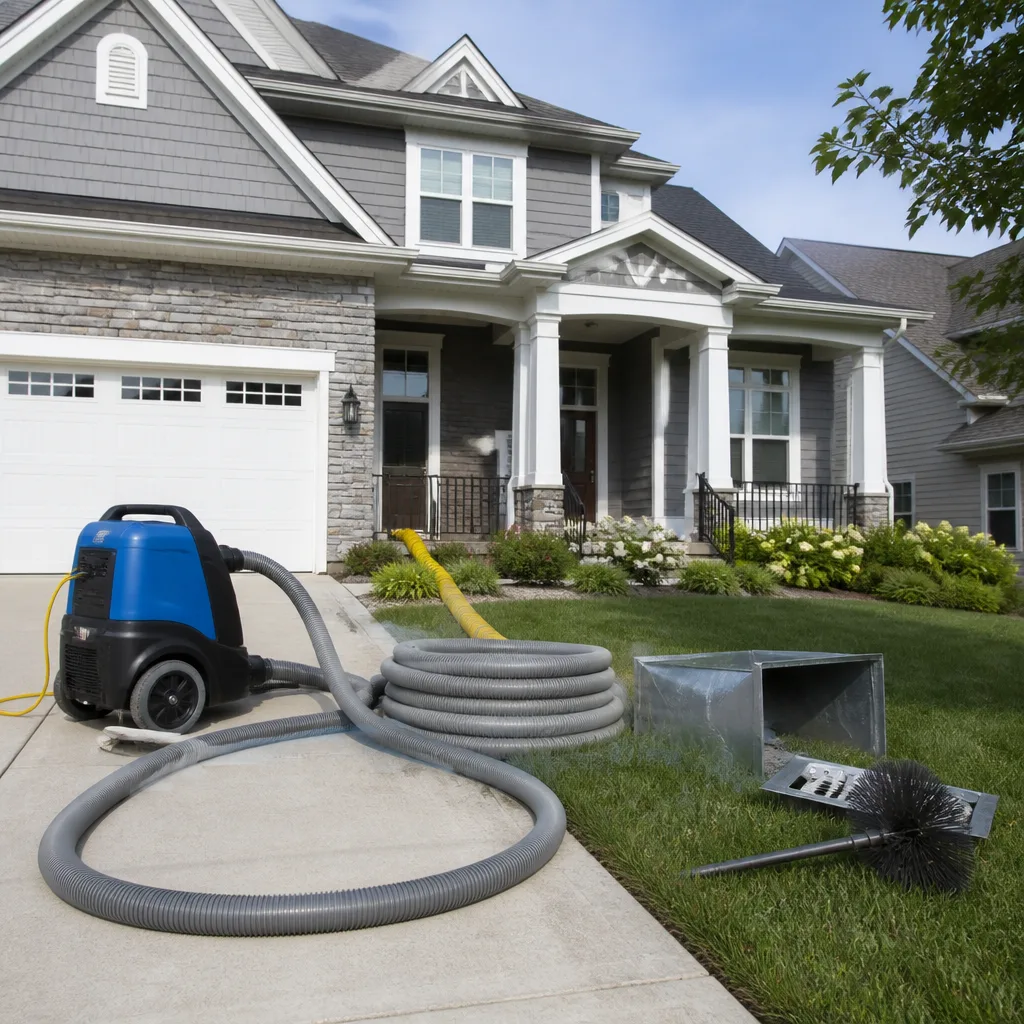
 Whole-home duct cleaning
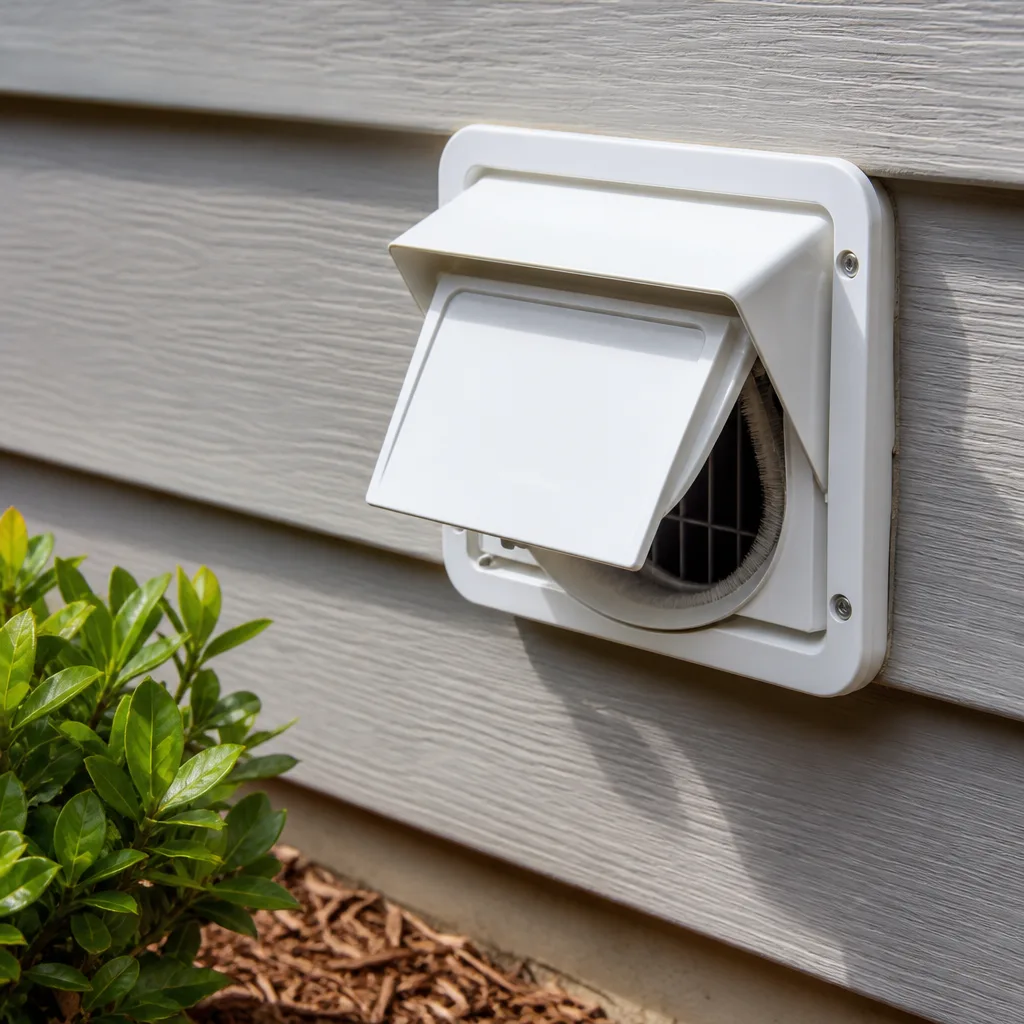 Dryer vent cleaning
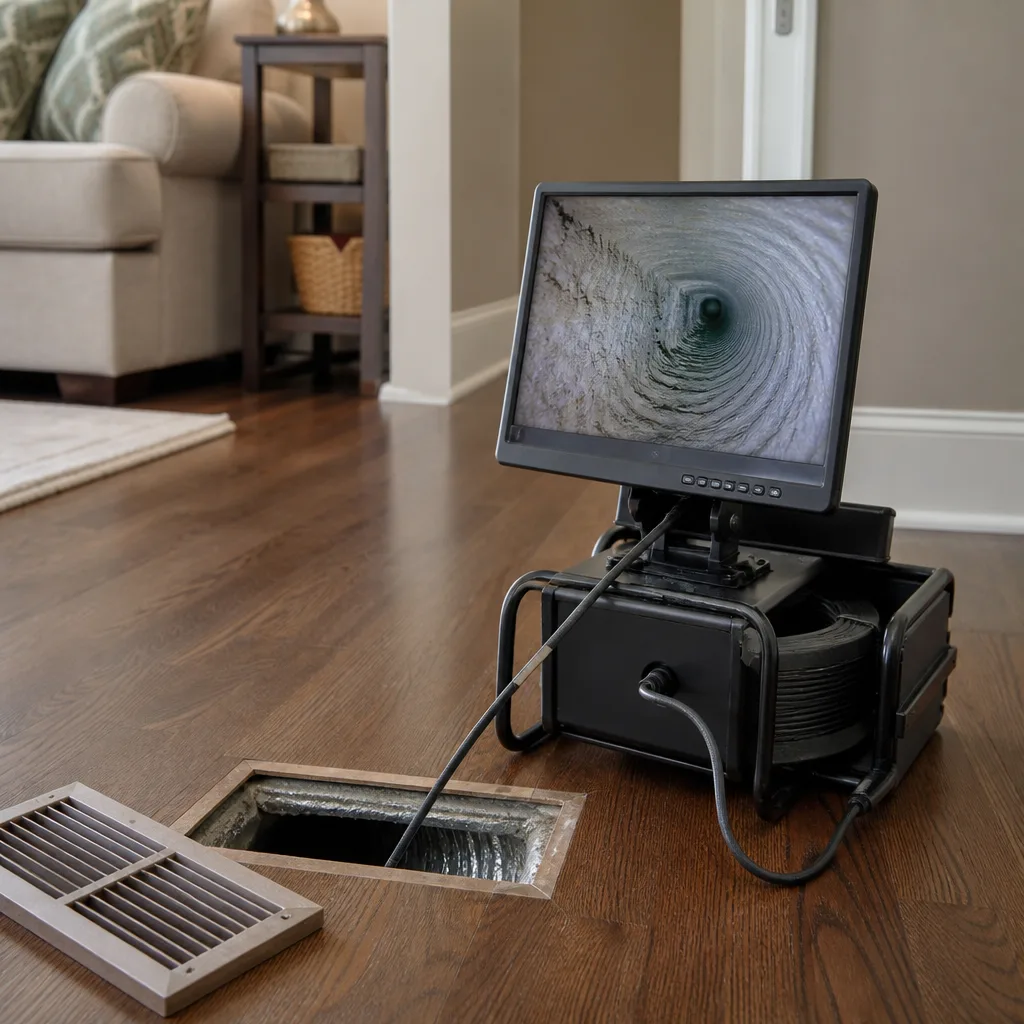 Camera inspection
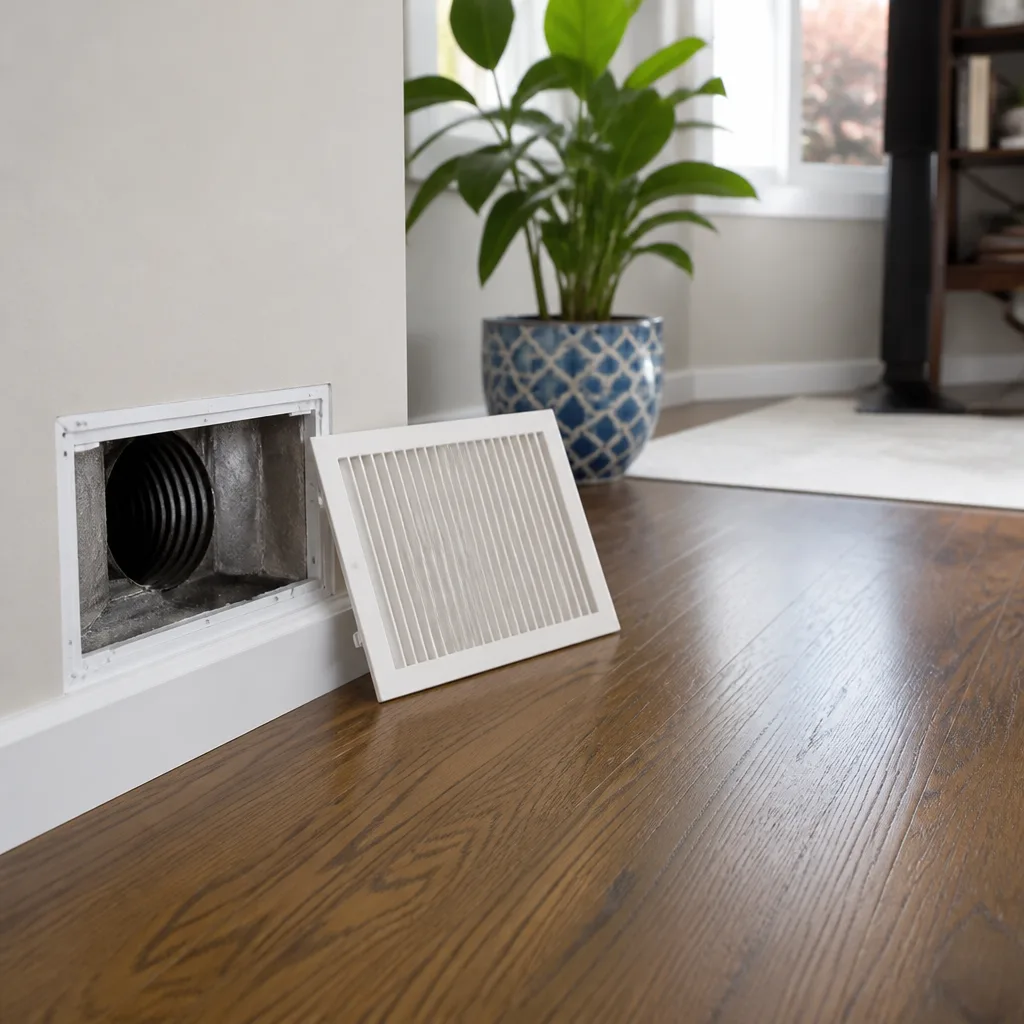 Sanitizing & deodorizing
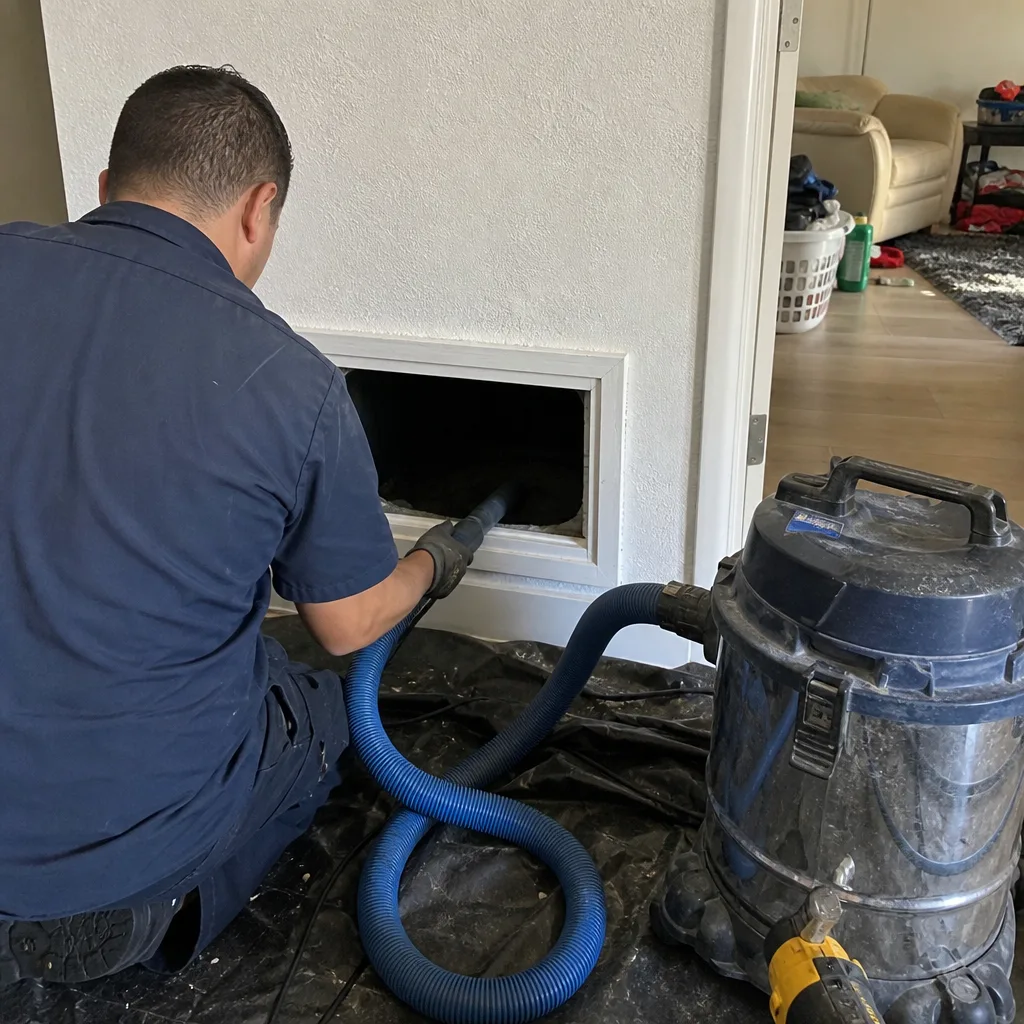
Whole-system duct and dryer vent check with before-and-after photos - you see exactly what came out of your vents
That "$99 whole-house special" is a bait ad - the real number appears once they are in your hallway, or the "clean" is a shop-vac at the register. We photograph the inside of your ducts before and after instead.
Nikro Vent Sanitizing: The Fort Lauderdale Owner’s Guide
If your Nikro negative-air machine or vent sanitizing setup has stopped pulling or the sanitizer feed is inconsistent, we stock and install Nikro-compatible vent sanitizing components for most residential and light-commercial models in Fort Lauderdale. Installed replacement typically runs $165 to $410 depending on whether we’re swapping a feed line, a nozzle assembly, or the sanitizing cartridge housing. Most jobs are done in one visit, and we carry common Nikro parts on the truck so you’re not waiting on a ground shipment from up north.
The way owners usually find us: the machine runs, but the sanitizer isn’t atomizing the way it did six months ago. Or the unit trips a thermal overload mid-job. Or the plastic feed fitting cracked where it threads into the manifold. South Florida humidity accelerates every one of those failures. Salt air near Las Olas or Victoria Park doesn’t help the fittings either. We’ll match what you have, tell you plainly if an aftermarket equivalent is worth the savings, and get it back to work.
Which Nikro Models This Applies To
Nikro makes a few distinct lines, and the vent sanitizing components do not all interchange. The SA-200 and SA-300 series sanitizing applicators use a different feed-line diameter than the UVC cartridge housings on the AQ and DQ line. If you have a Nikro HVL or HEPA-AIRE negative-air machine with a sanitizing module bolted to the outlet side, that’s a third spec. The model plate is on the back or bottom of the housing; the part number you need is usually stamped on the feed fitting or the nozzle barrel itself.
Here’s the gotcha we see in Fort Lauderdale regularly: a homeowner orders a “universal” sanitizer feed kit online, threads it in, and it leaks at the manifold because Nikro’s older SA-200 manifolds used a coarse-thread ABS fitting that looks close to standard NPT but isn’t. It seals just enough to look right, then drips sanitizer onto the blower housing. We’ve replaced three of those this year alone. When the Nikro part is available, we use it. When it’s a discontinued line and the lead time is four weeks, we’ll tell you which aftermarket equivalent actually matches your thread pitch and chemical compatibility before you spend a dollar.
Styles & brands we work with
Signs Your Nikro Vent Sanitizing Is Failing
- Sanitizer pools in the bottom of the housing instead of misting. That’s a clogged or worn nozzle tip, or a feed line that’s collapsed internally from chemical buildup. The machine sounds fine, but it’s not doing the job.
- You smell sanitizer when the unit isn’t running. A cracked feed fitting or a failed check valve is letting liquid weep into the air stream. This one’s worth addressing fast, as the chemical will shorten blower motor life if it drips onto the windings.
- The feed pump sounds like it’s running but no liquid moves. Often the impeller in Nikro’s small peristaltic-style feed pumps has taken on chemical and swelled. That’s the part we replace, not rebuild.
- The sanitizer cartridge or module reads full but the LED indicator stays red. On Nikro’s newer UVC sanitizer housings that usually means a reed switch or float sensor has failed, not that the cartridge is empty. Don’t throw out a full cartridge.
- No mist at all on a humid morning after the unit sat for a week. Fort Lauderdale humidity hardens residual sanitizer inside the nozzle orifice. Sometimes a cleaning works; sometimes the nozzle needs replacing.
Replacement Cost & What’s Included
In Fort Lauderdale, expect to pay $165 to $250 for a feed line and check valve replacement including the part and labor. A new nozzle assembly or atomizer manifold lands between $220 and $310 depending on whether we’re working with an SA-200 or the newer UVC cartridge housing. A complete sanitizer module swap, where the pump, lines, and nozzle are all replaced, runs $310 to $410.
Every quote is written down before we touch the machine. The price includes the part, the labor, testing the unit under load, and a full year of coverage under our 365-Day Done Right Promise. If the replacement fails within that year, we return and make it right at no charge, including a free second visit. You’ll see the old part come off and the new part go on. No bait price, no surprise line item added once the van is in your driveway.
See the difference
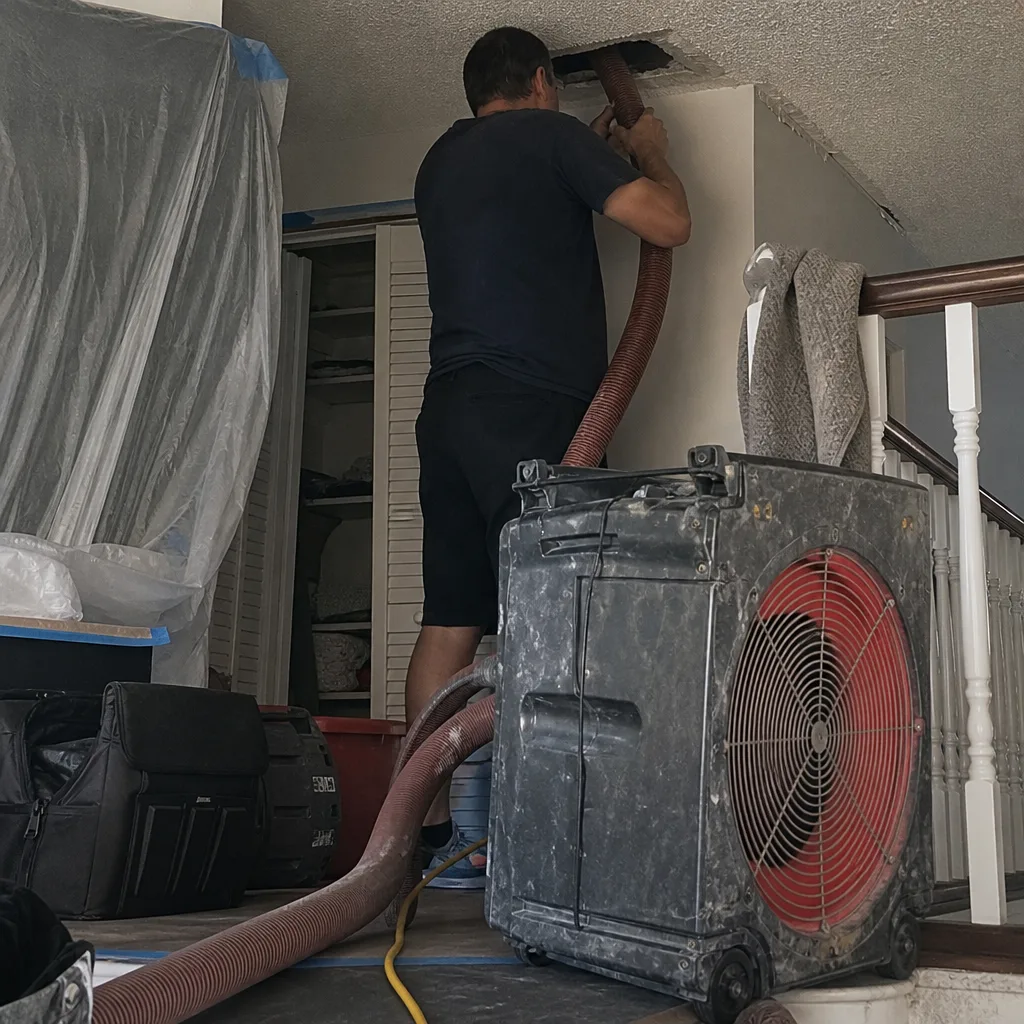 Before
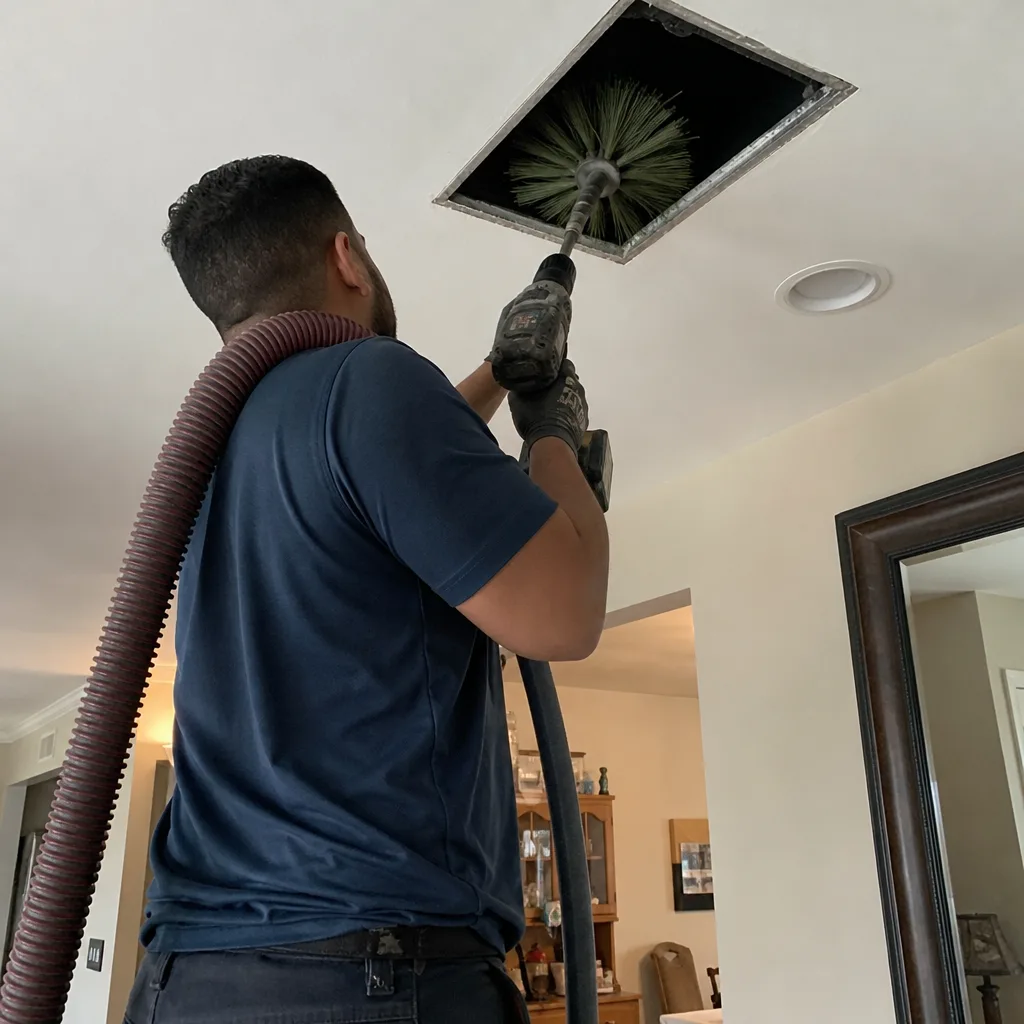 After
After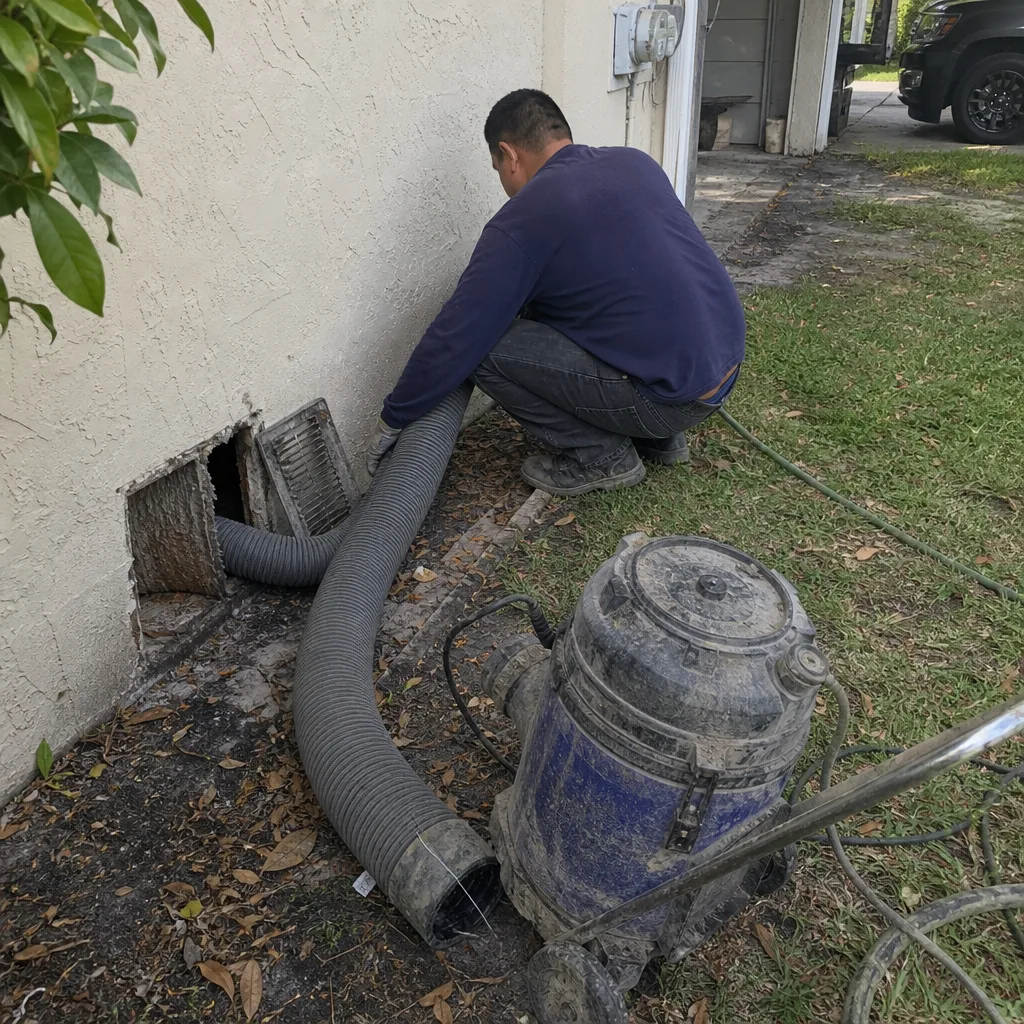 Before
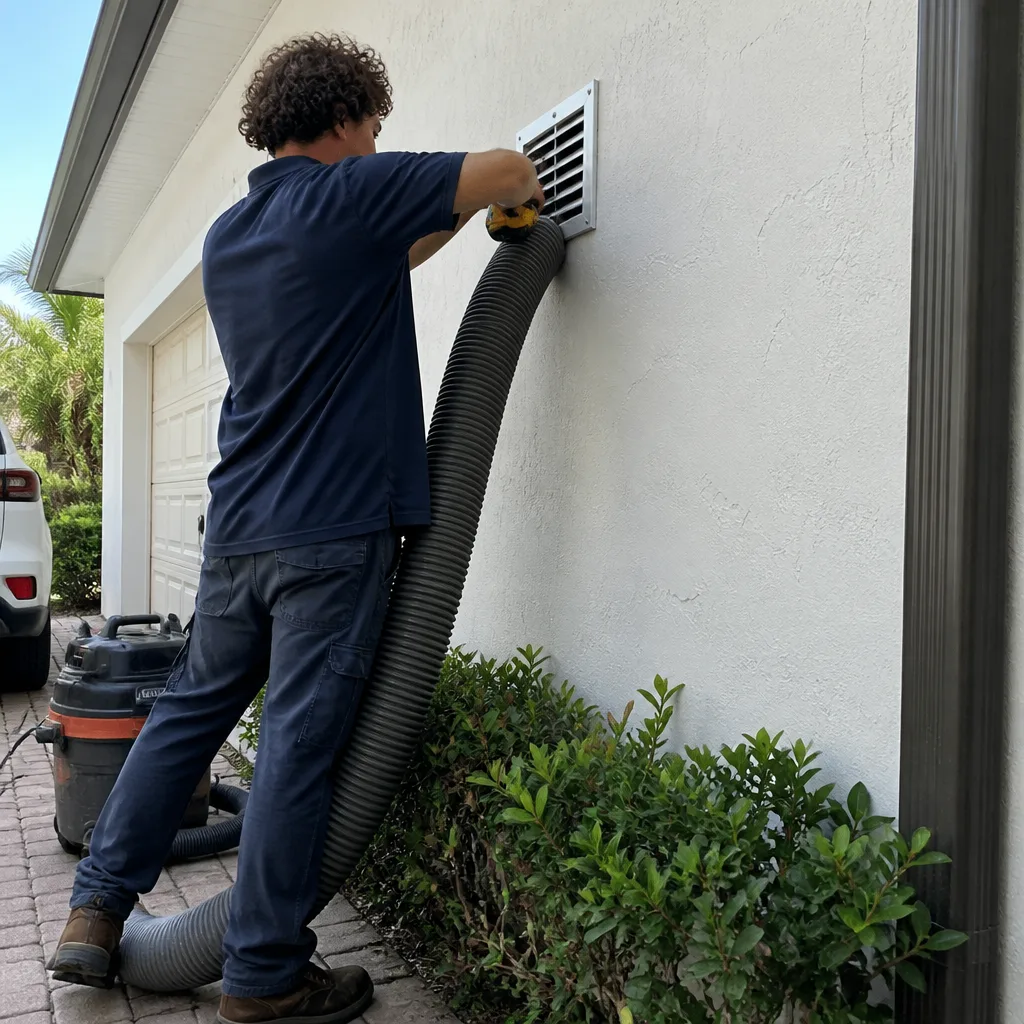 After
After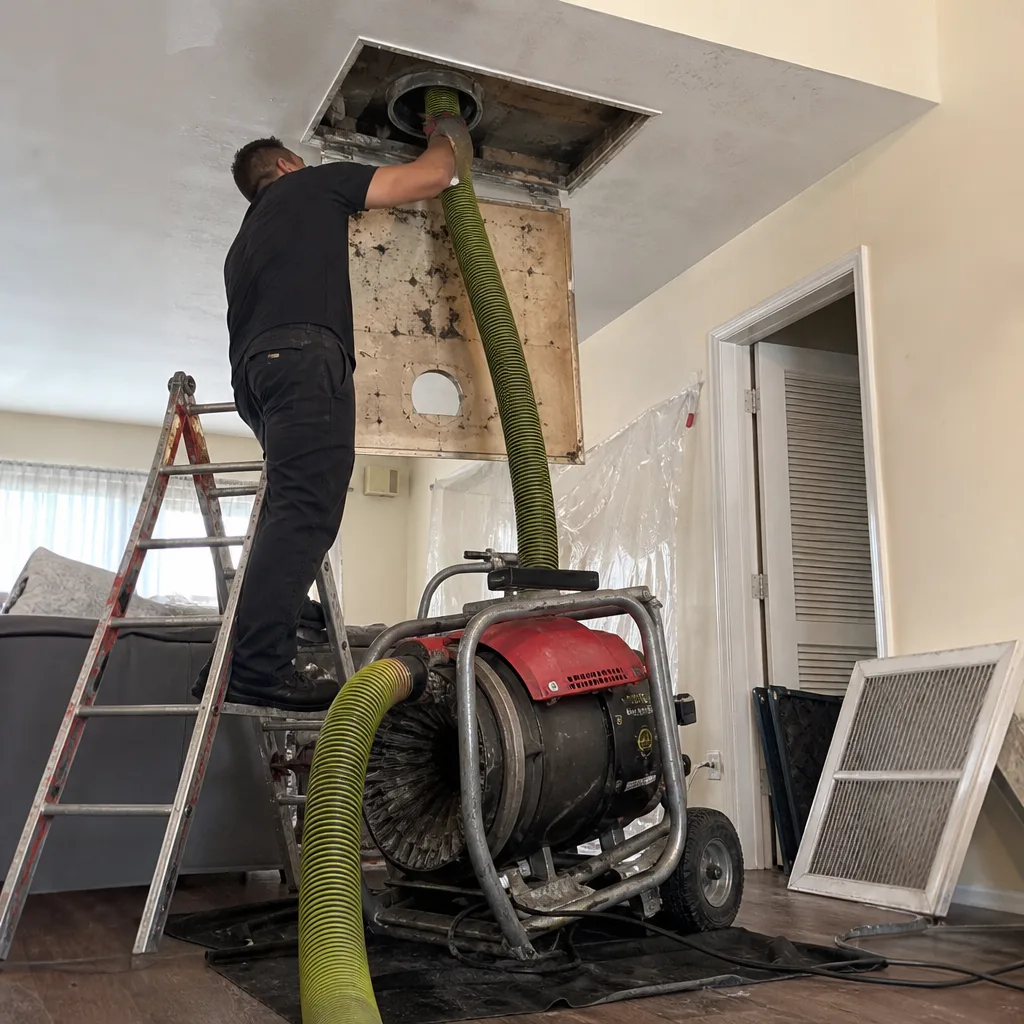 Before
 After
AfterDIY or Call Us?
If you’re comfortable checking the obvious things, start with the feed line: look for cracks at the fittings, kinks, or discoloration where chemical has eaten the tubing. You can safely inspect the nozzle tip for hardened residue. What you shouldn’t do is open the electrical housing on a Nikro module, test the UVC cartridge outside its shield, or attempt to rewire a failing feed pump. Sanitizing chemicals and live electrical components in the same enclosure is not a weekend project.
If the unit is under a year old and still registered with Nikro, start with them and their warranty process. If it’s out of warranty or the part is discontinued, that’s where we’re most useful. Call us at (754) 354-3644 and describe what the machine is doing. Roy Castellanos will tell you over the phone whether it sounds like a $40 fitting or a $350 module. We’d rather you know before we roll a truck.
FAQs
In South Florida, we typically see two to four years on a feed line before the combination of chemical exposure and humidity starts to degrade the tubing or fittings. Units that run daily in commercial settings along the Port Everglades corridor may need replacement sooner.
Feed lines, check valves, and nozzles are straightforward replacements. When the feed pump itself fails, replacement is almost always the right call; rebuilding a small chemical pump costs more in labor than the part is worth. We’ll show you the failed component before anything gets swapped.
Most feed line, nozzle, or check valve replacements take 45 to 90 minutes including testing the unit under load. A full module swap may run two hours. We don’t rush the test cycle because the whole point is verifying mist output before we leave.
We keep the most common Nikro-compatible feed lines, check valves, and nozzle assemblies stocked, including parts shared with some Lennox, Trane, and Carrier accessory lines. If your unit needs a discontinued component, we’ll source the correct aftermarket equivalent and confirm the thread spec and chemical compatibility before ordering.
Call Hollis Air Duct Fort Lauderdale
If your Nikro vent sanitizing setup is down, call (754) 354-3644 for a free estimate. A live person answers, day or night. We’ll quote the replacement in writing before any work starts, and the whole job is covered for a full year under the 365-Day Done Right Promise. Clean ducts move air. Everything else is just noise.
Written by Roy Castellanos, Owner, Hollis Air Duct Fort Lauderdale at Hollis Air Duct Fort Lauderdale, serving Fort Lauderdale and nearby areas.