
 Whole-home duct cleaning
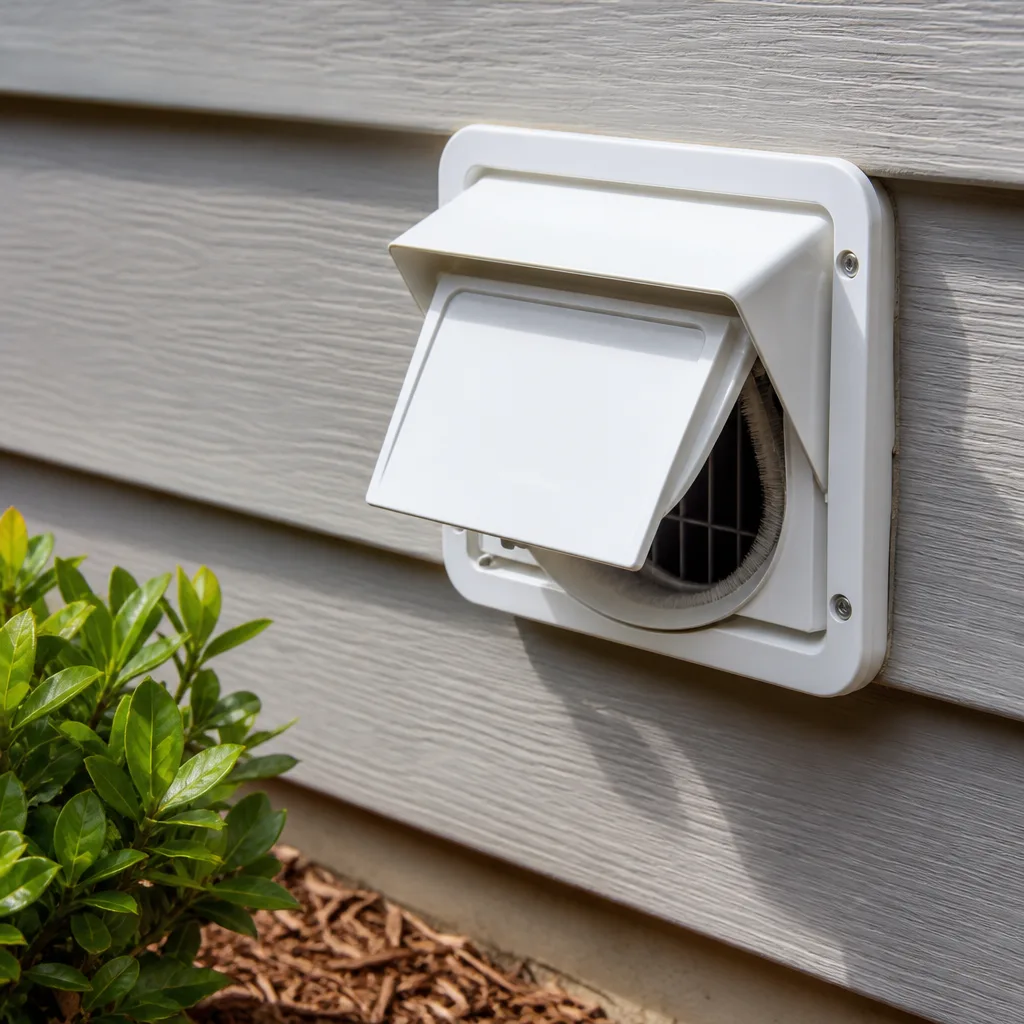 Dryer vent cleaning
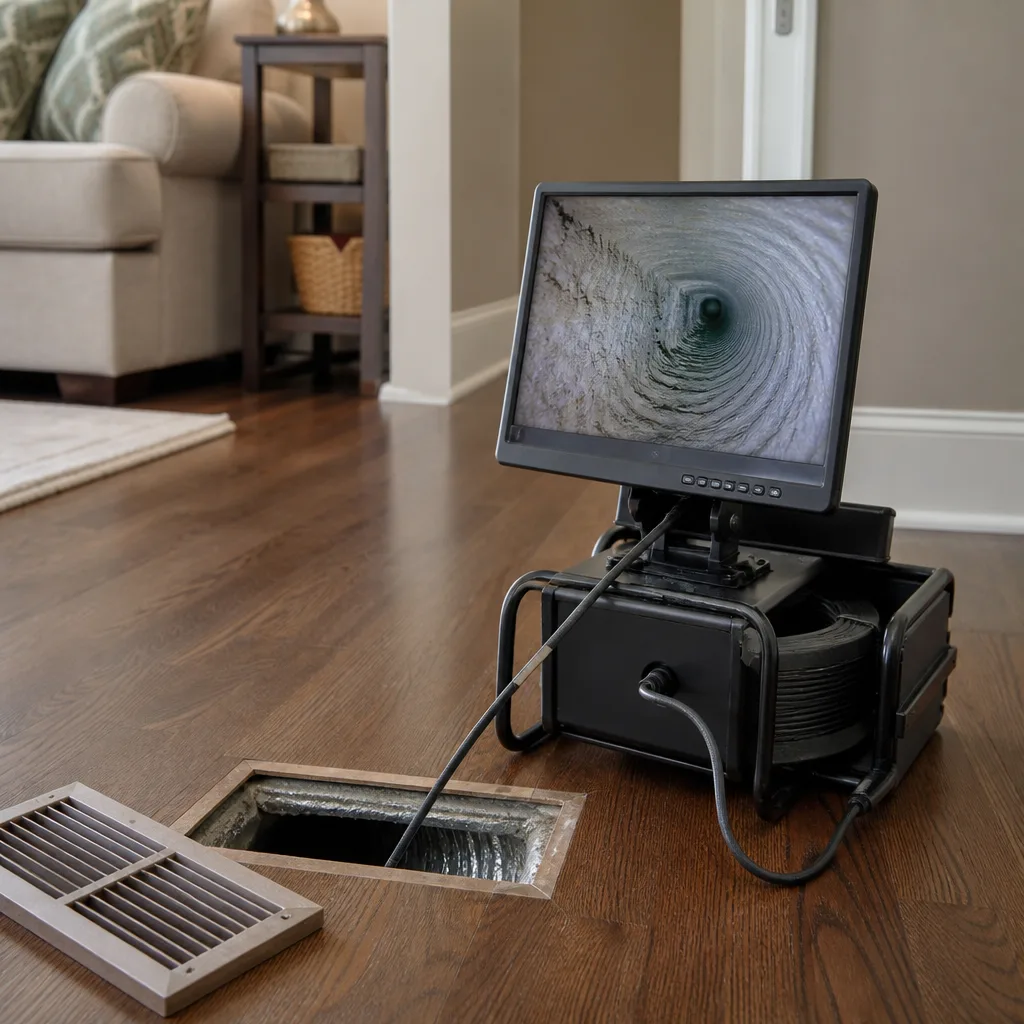 Camera inspection
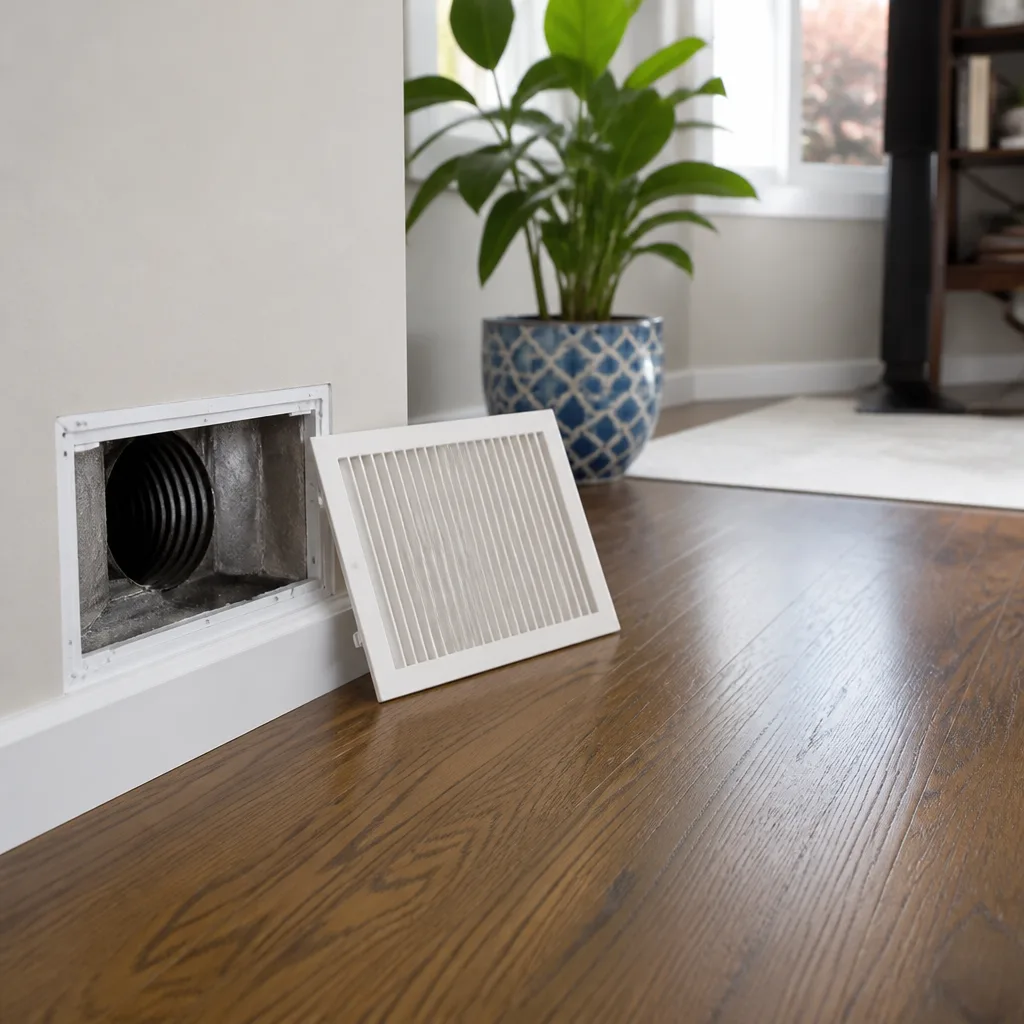 Sanitizing & deodorizing
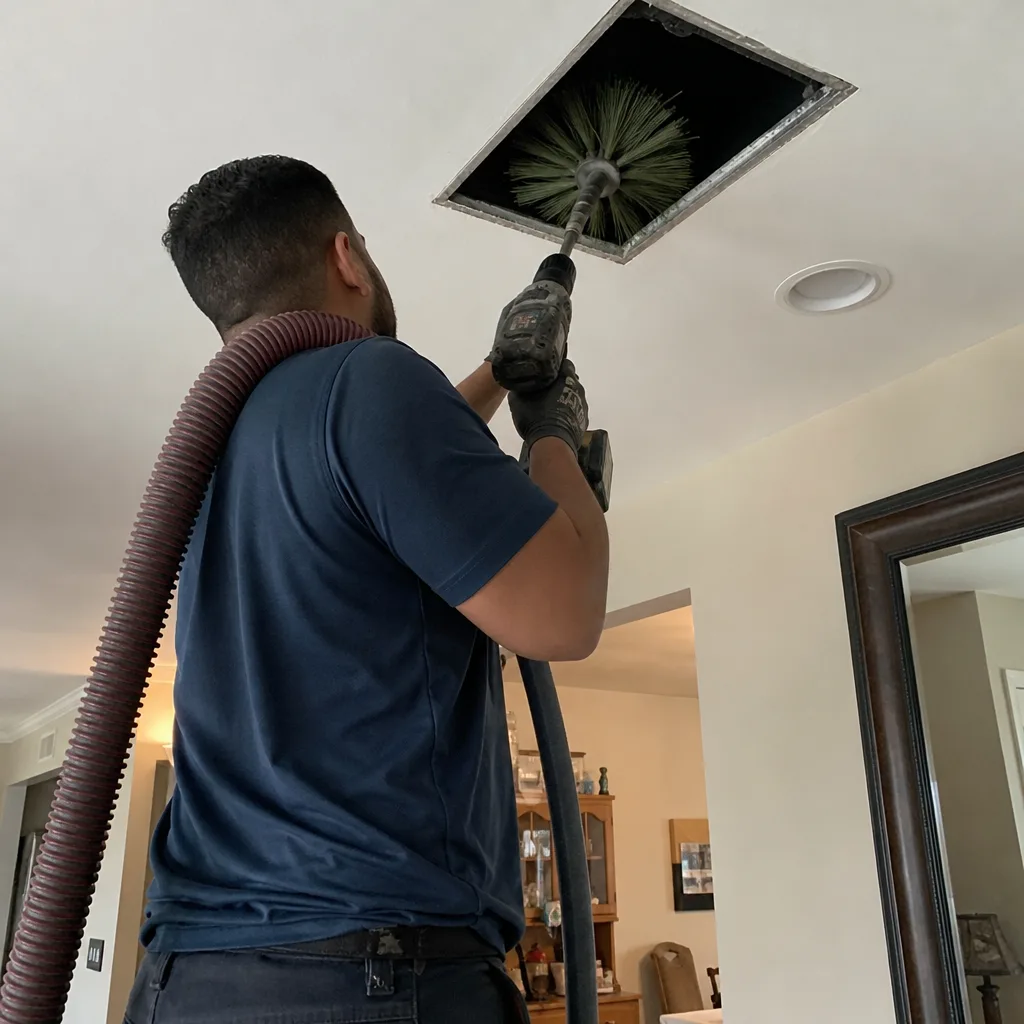
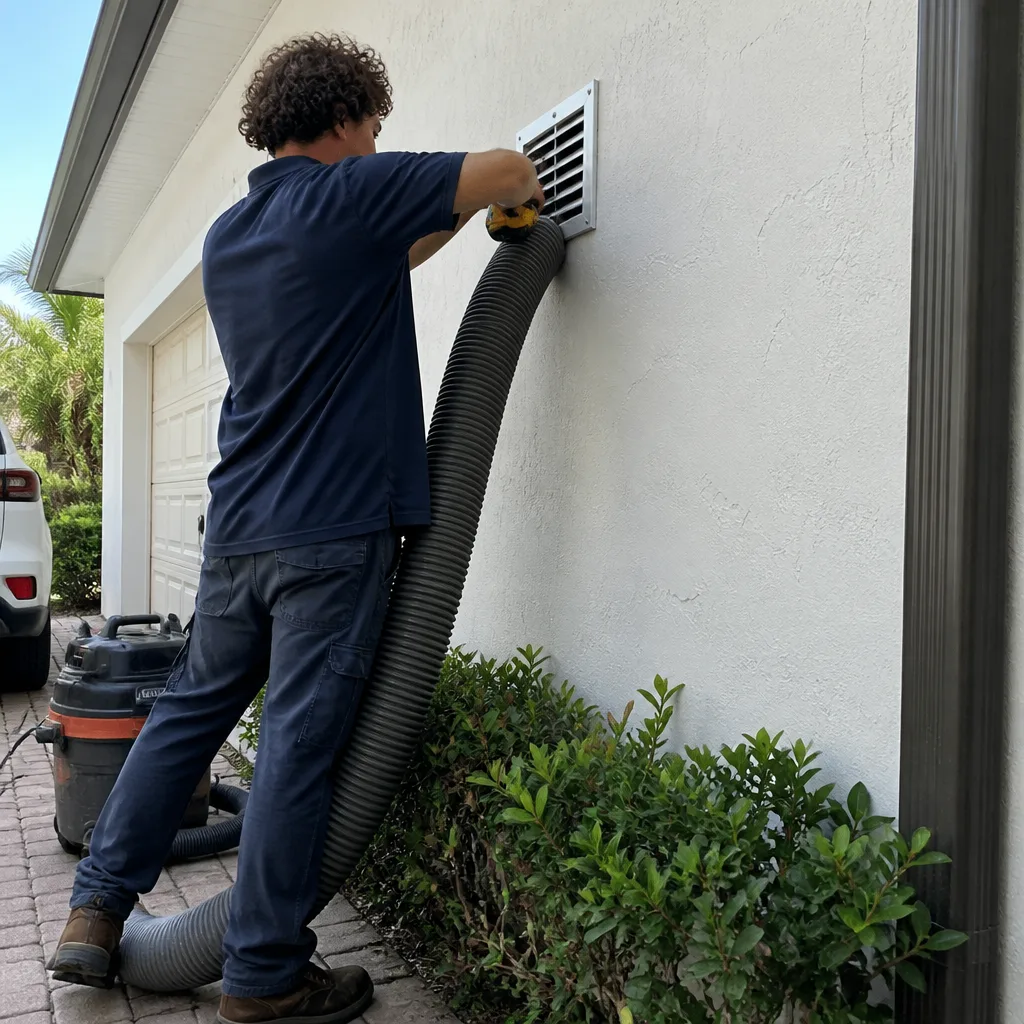
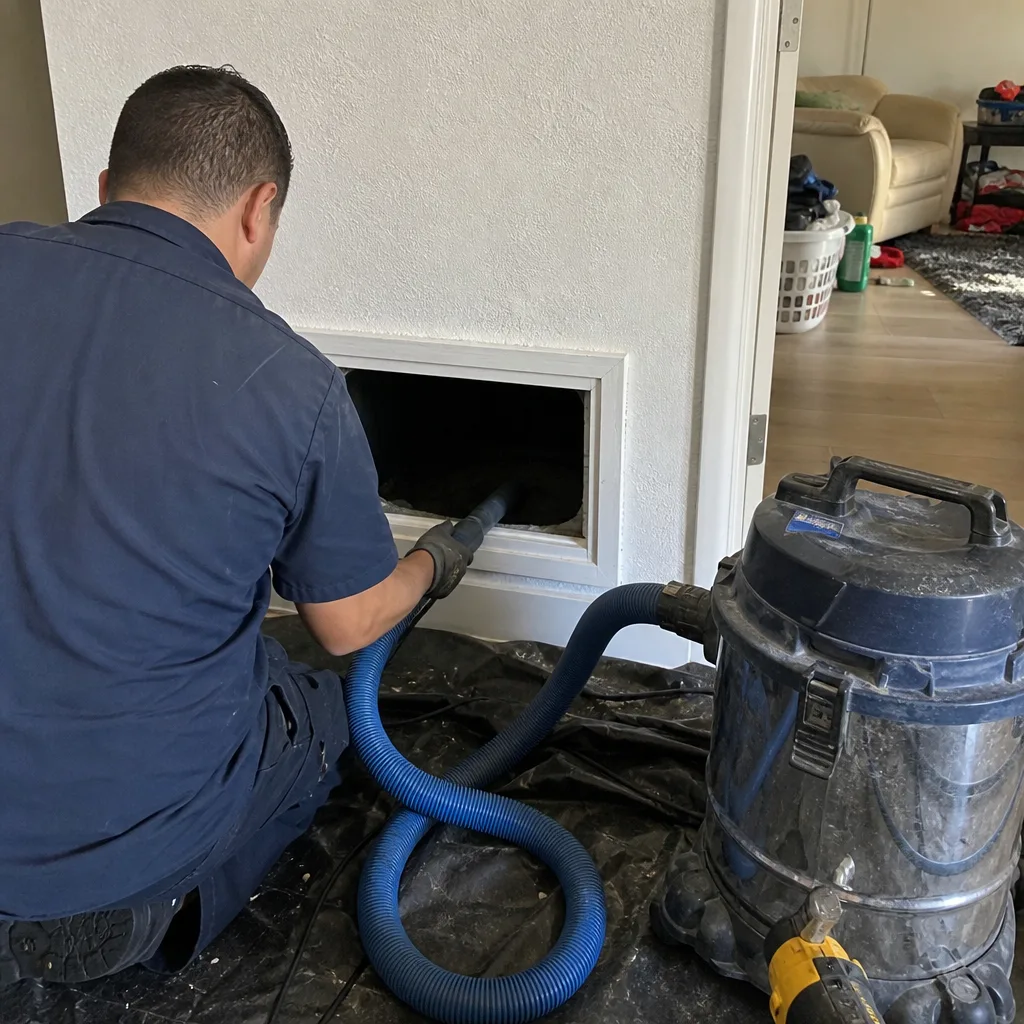
Whole-system duct and dryer vent check with before-and-after photos - you see exactly what came out of your vents
That "$99 whole-house special" is a bait ad - the real number appears once they are in your hallway, or the "clean" is a shop-vac at the register. We photograph the inside of your ducts before and after instead.
Rotobrush Duct Sealing in Fort Lauderdale: What to Know First
Rotobrush duct sealing in Fort Lauderdale means finding and closing every leak in your Rotobrush air duct system, then verifying the fix with a pressure test. Most Rotobrush sealing jobs in the Fort Lauderdale area run $850 to $2,400 depending on system size, leak severity, and how much of the ductwork is accessible. We do this work as an independent Rotobrush service provider, not as a manufacturer-authorized dealer. That matters because we use manufacturer-spec mastics and compatible parts rather than whatever is cheapest on the shelf, but we never pretend to be something we’re not. If you own a Rotobrush system and you’re losing conditioned air into your attic or walls, call (754) 354-3644. We’ll give you a written price before any work starts.
This page is written for homeowners in Fort Lauderdale and nearby areas who own a Rotobrush duct system, have already had a leak test or an energy audit that showed duct leakage, or who simply feel certain rooms never cool the way they should. Roy Castellanos and our crew work on Rotobrush systems across Broward County, and we’ve seen the exact failure patterns this brand develops in South Florida’s heat and humidity.
How Rotobrush Products Fail – and How We Fix Them
Rotobrush has built a few different product lines over the years, and in Fort Lauderdale we mostly see the older metal-flex and fiberglass-lined runs that were installed during the 1990s and 2000s building booms. Here are the five failure modes we run into most often on Rotobrush ductwork, and what we do about each one.
- Rotobrush RD series collars separating from the plenum. The RD series uses a crimped collar at the plenum connection, and after twenty-plus years of Florida attic heat, the sheet metal expands and contracts enough that the collar pulls away from the boot. The symptom is dust around the supply register and rooms that never hit setpoint. We reseat the collar, mechanically fasten it, and seal the joint with mastic rated for 350-degree attics, not hardware-store foil tape.
- Longitudinal seams opening on older Rotobrush flex runs. Rotobrush flex duct has a spiral wire core with an inner liner that can tear along the seam when the duct sags between supports. Fort Lauderdale attics often hit 140 degrees in August, which softens the liner adhesive and makes the sag worse. We find the split with a duct leakage test, then either seal the seam if the liner is still sound or recommend replacing that run before sealing anything. Sealing a torn liner is a waste of your money.
- Takeoff leaks at the air handler plenum. On Rotobrush installations tied to Lennox, Trane, or Carrier air handlers, the takeoffs frequently leak where the round duct connects to the square plenum. This happens because the original installer used sealant sparingly and the foam gasket has since dried out in the attic heat. We remove the takeoff, clean the face, apply mastic, and reattach with a new gasket.
- Kinked or collapsed flex in tight chase spaces. Fort Lauderdale homes built with central returns often have one or two Rotobrush flex runs that pass through a narrow chase, where the duct gets pinched against a truss or a plumbing stack. The leak forms on the compressed side. We re-route or replace the kinked section and then seal the connections properly. If we don’t fix the kink, no amount of sealing keeps that room from being stuffy.
- Return-side flex pulling loose from the filter rack. This one is common in Fort Lauderdale homes with a vertical air handler in a closet. The Rotobrush return flex connects to the filter rack with a strap and a single layer of tape, and after a few filter changes the connection works loose. The system starts pulling attic air, which is a problem in a city where the dew point sits above 70 degrees for most of the year. We reattach with a mechanical clamp, seal with mastic, and check the whole return path for secondary leaks.
One detail you will not find in the Rotobrush product literature: the factory mastic used on early 2000s R6 flex runs in this market hardens and cracks within about ten years of installation, and that timeline moves faster near the coast. Homes west of I-95 in Plantation or Davie see slightly slower degradation than homes east of US-1 near Las Olas or Victoria Park, where salt air accelerates everything. We test for this specific failure pattern on every Rotobrush job we seal in Fort Lauderdale.
Styles & brands we work with
Our Rotobrush Duct Sealing Process
We do not sell you a repair before we know what is leaking. Here is the exact sequence on a Rotobrush duct sealing job with our crew.
- 1
Call comes in, live person answers. You call (754) 354-3644, tell us you have a Rotobrush system and a leak concern. We schedule a window and confirm the address. You know who is coming before the van shows up: background-checked, uniformed, with a name you already have.
- 2
Visual inspection of every accessible duct run. We walk the attic or crawlspace, look at the plenum connections, the collars, the flex runs, and the boots at the registers. We note what is factory, what has been patched before, and whether anything looks like a code violation.
- 3
Duct leakage test to find what is actually leaking. We pressurize the system and measure total leakage in CFM. This is the step that separates sealed-duct work from someone slapping mastic wherever they feel like it. We isolate the Rotobrush runs, mark the leak points, and tell you what we found before we propose any repair.
- 4
Written scope and price, including the parts decision. We write down exactly what we will seal, what gets replaced if a run is too far gone to seal, and whether we use OEM-equivalent Rotobrush components or a quality aftermarket collar and gasket. You sign off on the number before we touch a single joint. The price does not move at the door. Ever.
- 5
The sealing work, by The Garrison Code. We reattach what is loose, replace what is failed, and seal every identified leak with mastic, not tape. We cover the finished collars and seams, check the boots, and clean up the work area before we pack out.
- 6
Re-test and document. We pressurize the system again and show you the before and after leakage numbers. Then we hand you the written guarantee: every repair is covered by the 365-Day Done Right Promise. If it fails within a year, we come back and make it right at no charge. That includes a free second visit, not just a discount on the call.
See the difference
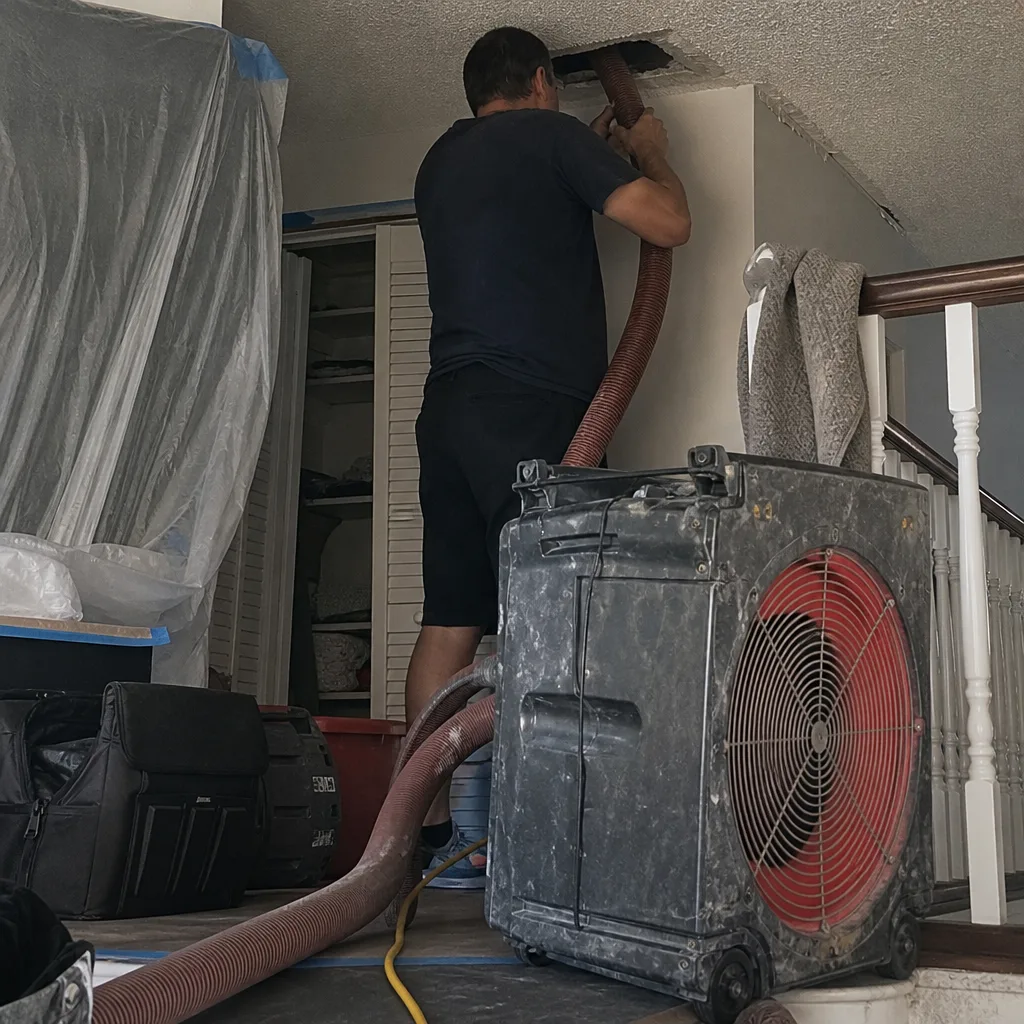 Before
 After
After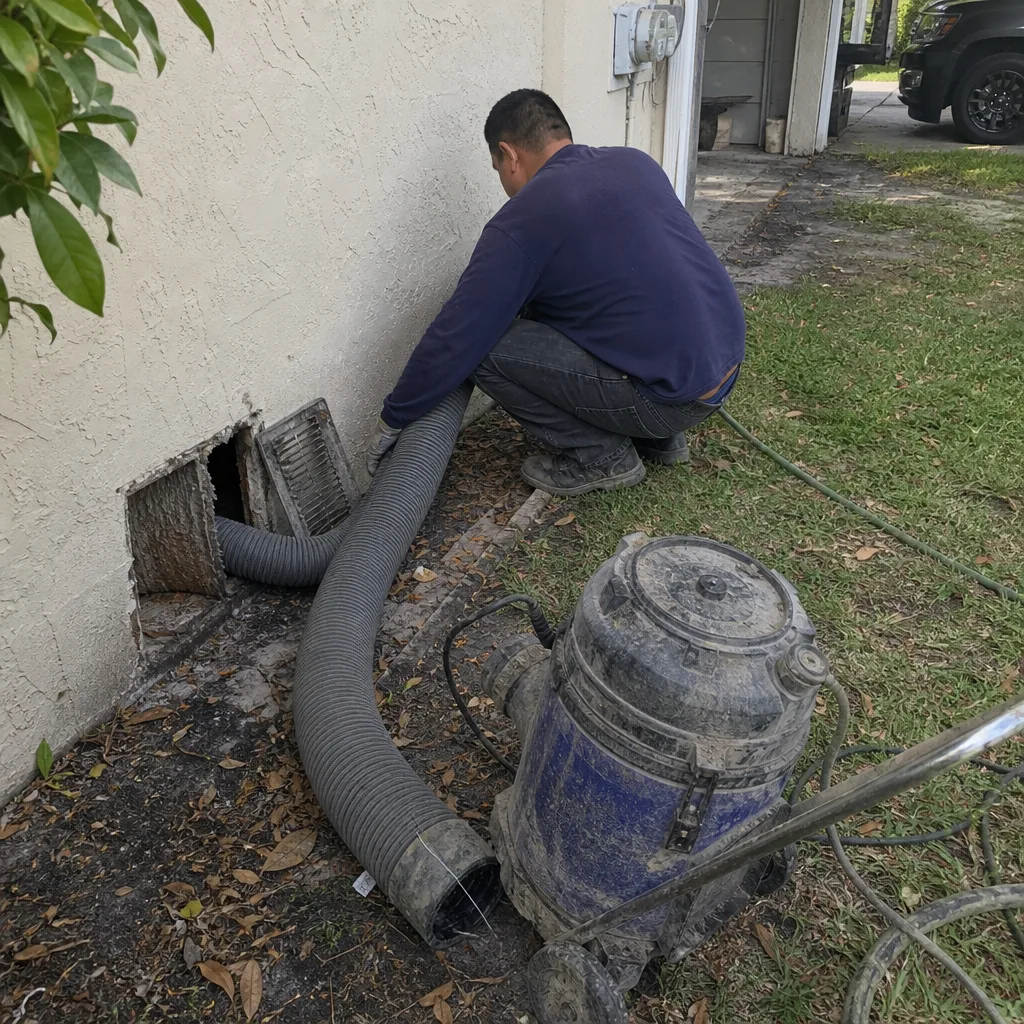 Before
 After
After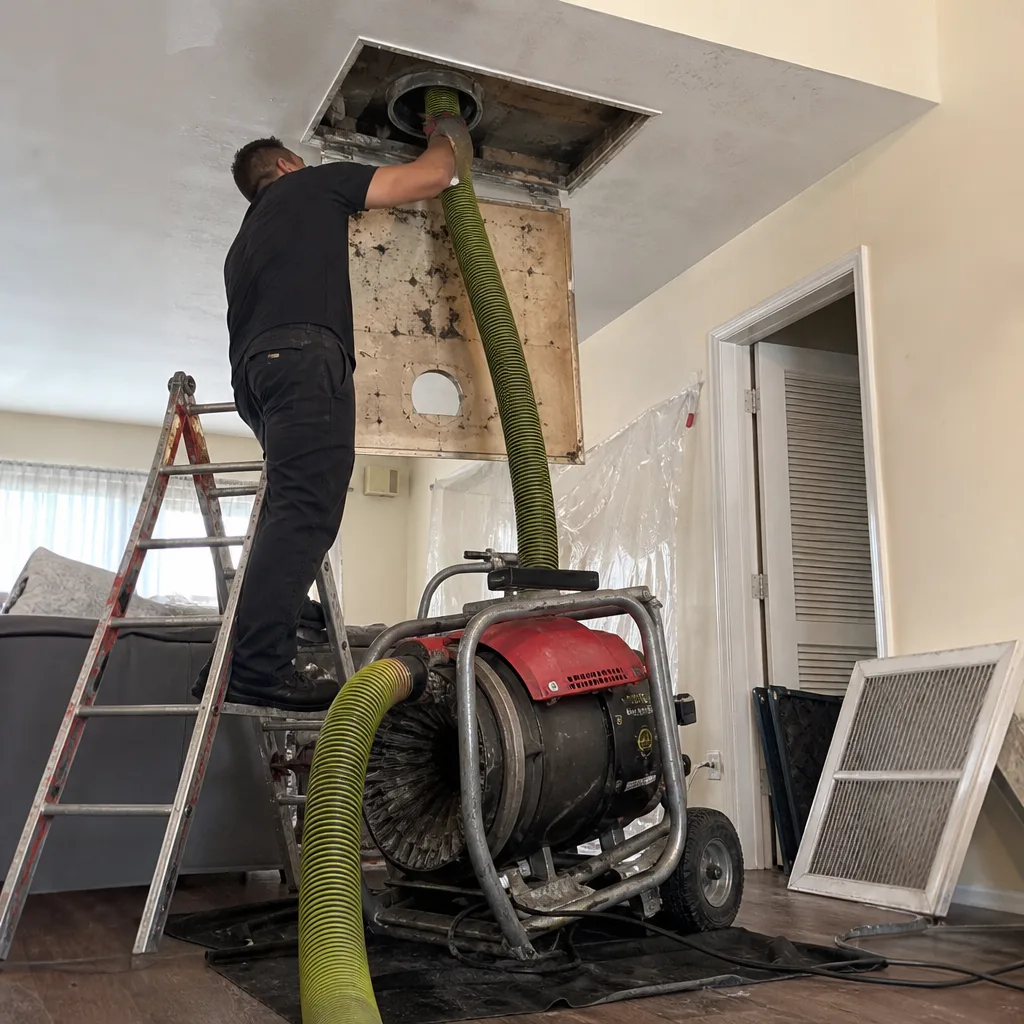 Before
 After
AfterWhat Rotobrush Duct Sealing Costs in Fort Lauderdale
Here are honest ranges for the Rotobrush sealing work we do in Fort Lauderdale, based on what we have actually billed in the last several years. These are whole-job numbers, not per-vent teaser rates that balloon once a tech is standing in your hallway.
- Single-connection repair (one collar or takeoff leaking): $180 to $390
- Multiple leak points on one system (three to seven identified leaks): $450 to $950
- Whole-system duct sealing (pressure-tested, mastic-sealed, re-tested): $850 to $1,500
- Duct sealing with some replacement runs (seal plus replace one or more failed flex sections): $1,200 to $2,400
What moves the price: how long the runs are, whether we can reach them from a walkable attic or need to work from scuttle access, the condition of the existing Rotobrush collars, and whether any run needs full replacement rather than sealing. We will tell you all of this before you commit to anything. Call (754) 354-3644 for an exact quote. Estimates are free, and the written price is the price.
Why Fort Lauderdale Homeowners Call Hollis Air Duct Fort Lauderdale for Rotobrush Work
Most duct sealing companies in Fort Lauderdale will seal any brand of ductwork. Few of them can tell you why a Rotobrush RD collar fails differently than a generic sheet metal takeoff, or why mastic applied in November behaves differently than mastic applied in July. Roy Castellanos and his crew have cleaned and sealed Rotobrush systems from the condos near Las Olas Boulevard to single-family homes west of University Drive. That local experience matters because Rotobrush equipment shows up in this market in a specific set of configurations, and we know what those systems look like when they leak.
We also work honestly on mixed systems. If your home has Rotobrush flex runs tied to a Lennox, Trane, or Carrier air handler, we do not try to pretend the duct brand and the equipment brand are the same problem. We seal the ductwork and tell you plainly if the air handler itself has an issue we are not the right crew to fix. The phone rings to a live person around the clock, the technicians are background-checked and uniformed, and every job carries the 365-Day Done Right Promise in writing. Clean ducts move air. Everything else is just noise.
FAQs
No. Sealing leaks with mastic and correctly rated gaskets is a recognized repair, and we work as an independent Rotobrush service provider using materials that meet the same standards as the original installation. What voids a warranty faster than anything in this market is ignoring a leak until the air handler runs constantly and burns out. If you have a specific warranty document you’re worried about, bring it up on the call and we will walk through it before we touch anything.
You start with a leak test. If the measured CFM leakage is above the industry standard for your system size, you have a sealing problem. If the leakage is low and the complaint is dust or smells, the issue is more likely build-up inside the ducts and you need a proper cleaning with a rotary brush system and negative-air collection. We diagnose first and sell you the repair after, not the other way around. Call (754) 354-3644 to schedule the test.
We typically schedule sealing work within a few days to a week, depending on the season and the size of the job. Duct sealing is a scheduled service, not an emergency call, and we do not promise dispatch times we cannot stand behind. What we promise is that we arrive inside the window we gave you, we do the work by the book, and we leave the site clean.
Sometimes, yes. If the inner liner is torn, the wire core is crushed, or the insulation jacket is saturated with condensation, sealing the outside of that run does nothing for you. We will tell you if a run is a candidate for sealing or needs replacement, and we show you why with photos from the attic. When replacement is the right call, we use quality materials that match the system specifications, and the whole job is covered by the same written guarantee.
Yes, that is most of what we do. The majority of Rotobrush systems we seal in Fort Lauderdale were installed by crews that are no longer in business or no longer answering the phone. We evaluate the system as it sits today and give you a written scope of work based on what we find, not on who put it in originally.
Written by Roy Castellanos, Owner, Hollis Air Duct Fort Lauderdale at Hollis Air Duct Fort Lauderdale, serving Fort Lauderdale and nearby areas.