
Last updated October 15, 2026
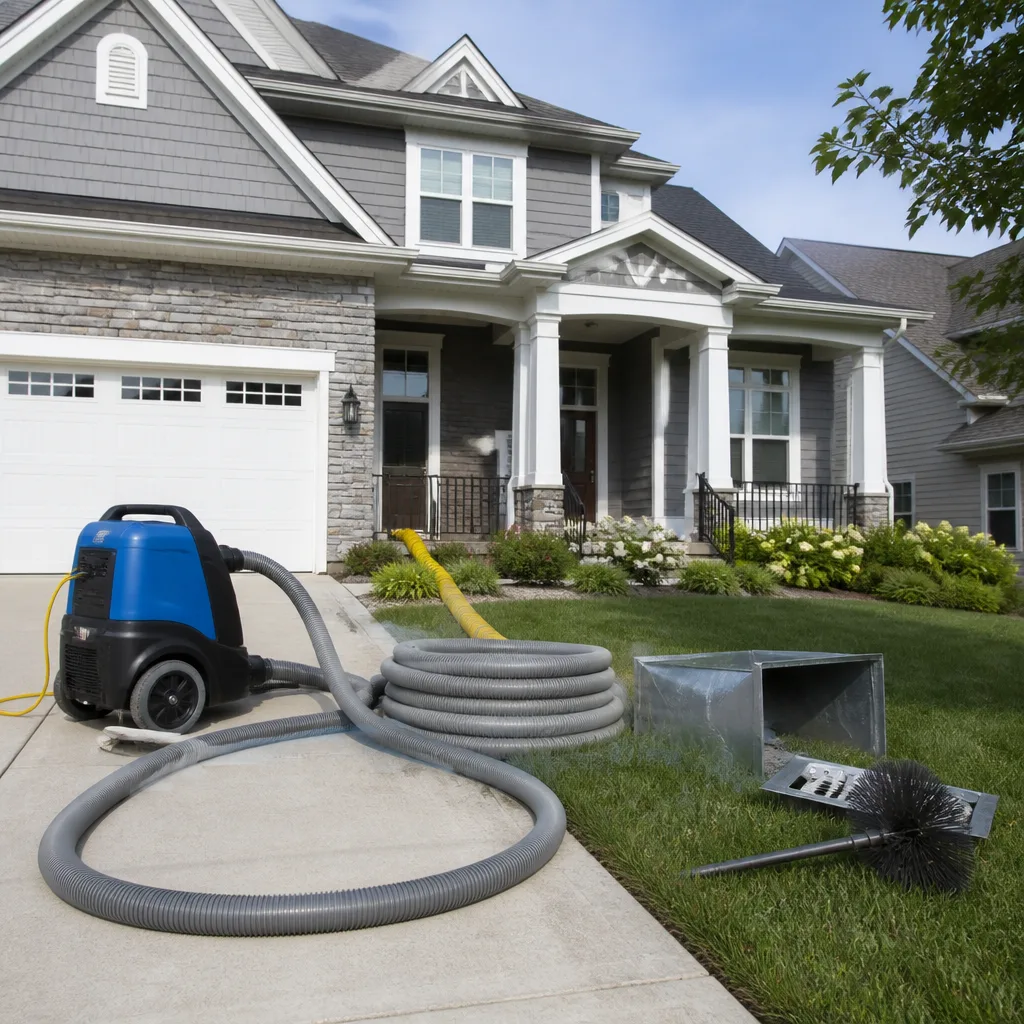 Whole-home duct cleaning
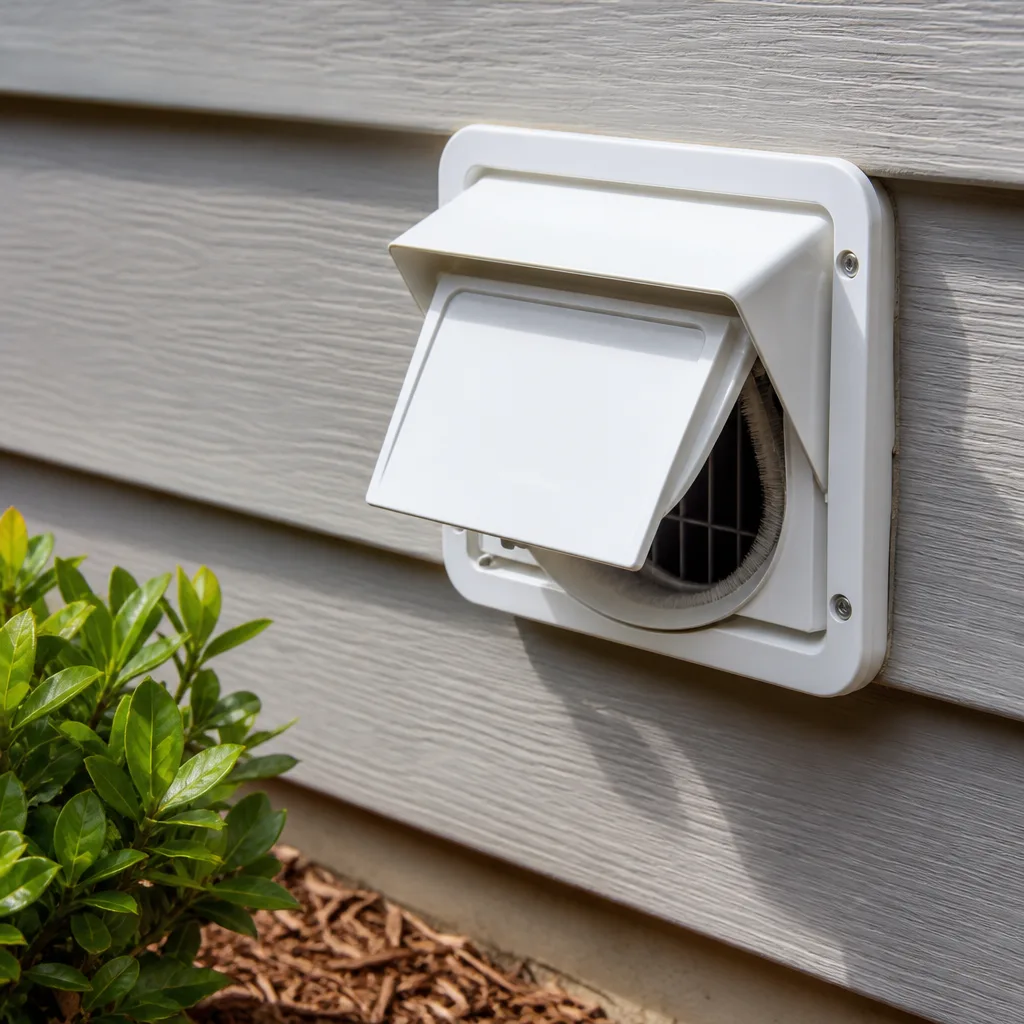 Dryer vent cleaning
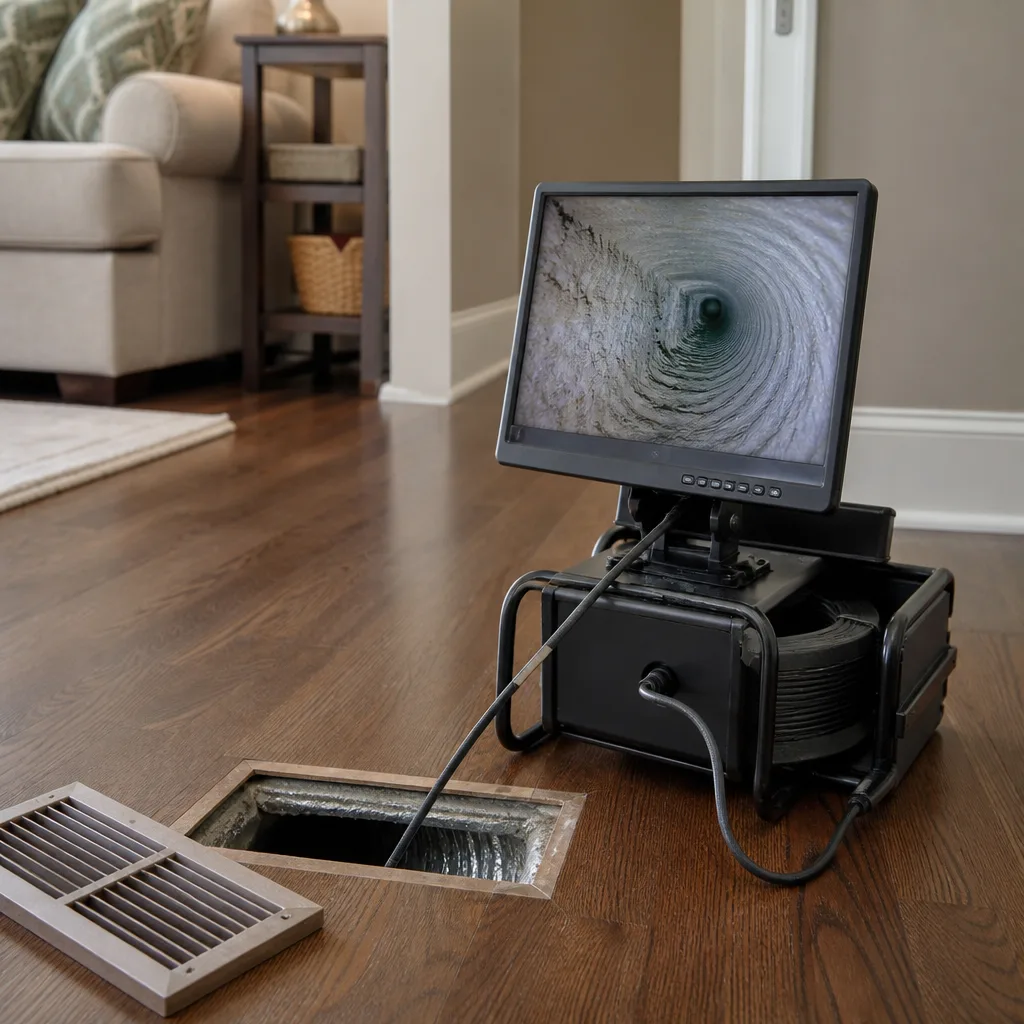 Camera inspection
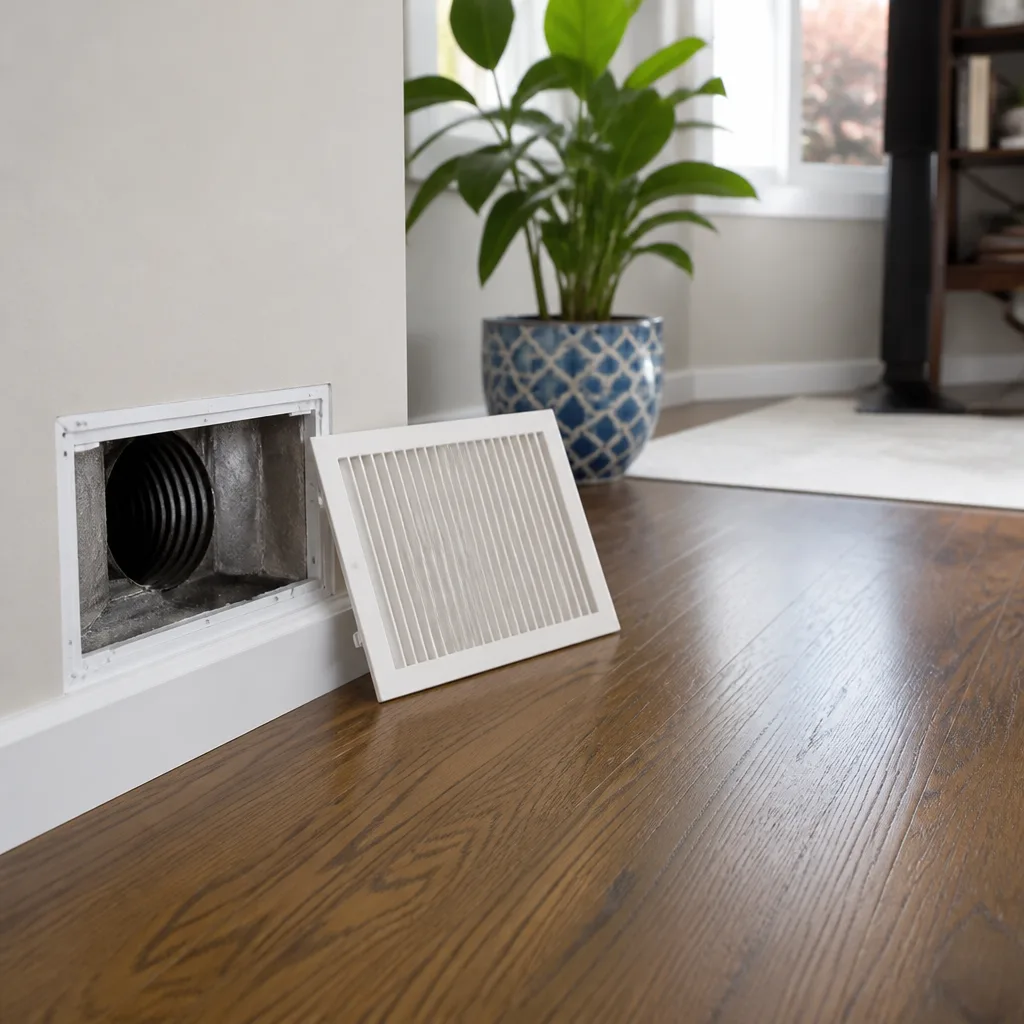 Sanitizing & deodorizing
Whole-system duct and dryer vent check with before-and-after photos - you see exactly what came out of your vents
That "$99 whole-house special" is a bait ad - the real number appears once they are in your hallway, or the "clean" is a shop-vac at the register. We photograph the inside of your ducts before and after instead.
The Complete Guide to Air Duct Cleaning in Fort Lauderdale
The EPA’s most commonly cited guidance on air duct cleaning was written before Category 5 hurricanes became a near-annual event in South Florida. That matters because the document has nothing to say about what a single storm surge event deposits inside a forced-air system. If you own a home in Fort Lauderdale, you are not maintaining ducts in a generic American climate. You are maintaining a metal and fiberglass network that sits in salt air, runs in humidity that rarely drops below 70%, and occasionally gets hit with hurricane-driven rain that finds its way into places it should not be. This guide explains what actually happens inside your ductwork here, what our Air Duct Cleaning services include, what it should cost, and how to avoid paying for work that never gets done.
Styles & brands we work with
Quick Answer
Air duct cleaning in Fort Lauderdale typically costs $450 to $900 for a full system in a single-family home, depending on the number of air handlers, the size of the house, and how long it has been since the last cleaning. A proper job uses negative-pressure source removal, not a shop vac taped to a vent, and should include before-and-after photo documentation of the supply and return plenums. In South Florida’s humidity, the cleaning method matters more than the price, because a poorly executed job can leave moisture and loosened debris inside your system.
Table of Contents
- Why Fort Lauderdale Ducts Fail Differently Than Anywhere Else
- What Air Duct Cleaning Actually Means: Methods Explained
- How Much Does Air Duct Cleaning Cost in Fort Lauderdale?
- What a Legitimate Fort Lauderdale Job Scope Looks Like
- How to Read a Written Estimate and Spot Inflated Line Items
- Sanitizing Agents: When They Help and When They Are an Upsell
- Common Mistakes to Avoid
- When to Call a Professional
- Frequently Asked Questions
- The Bottom Line
Why Fort Lauderdale Ducts Fail Differently Than Anywhere Else
Fort Lauderdale’s duct systems face three pressures that a home in Atlanta or Dallas never experiences. The first is salt. Homes within two miles of the Intracoastal, which covers most of the city’s eastern neighborhoods including Victoria Park, Rio Vista, and Las Olas Isles, have measurable salt content in the ambient air. That salt settles inside return ducts and accelerates corrosion on galvanized steel components. In our experience, we have opened return plenums in Fort Lauderdale homes less than ten years old and found rust blooms at the seams that would take three decades to form inland.
The second factor is persistent humidity. A forced-air system in Broward County runs an air conditioner for roughly nine to ten months of the year. The evaporator coil sits in a dark, cold, wet environment, and the air that passes over it carries whatever the return ducts pull in. When a home’s return system has gaps or poor filtration, that air carries fine organic matter: skin cells, pet dander, decomposing insect matter, and in coastal neighborhoods, a fine marine aerosol. Once that material collects on a damp coil or in a humid supply plenum, it becomes a substrate for microbial growth. Mold inside ducts is not a Florida scare tactic. It is a documented outcome of running a cold surface in a humid, organic-rich airstream for years.
The third factor is storm debris. After a hurricane or even a strong tropical storm, fine particulate matter, including drywall dust from repairs, roofing granules, and salt-driven sediment, enters the return side of the system. Homes in Plantation, Davie, and western Fort Lauderdale neighborhoods near the Everglades also deal with a specific local nuisance: muck dust. During dry season, the drained agricultural land to the west produces a fine, black, peaty dust that finds its way into HVAC returns and coats duct interiors.
A national guide will tell you that ducts get dusty. That is true everywhere. What it will not tell you is that in Fort Lauderdale, the dust is saltier, wetter, and more biologically active. That changes the failure mode: it is not just dirty air, it is dirty air moving through corroding metal and past damp insulation. The cleaning standard you choose has to account for that.
What Air Duct Cleaning Actually Means: Methods Explained
There are two fundamentally different approaches to duct cleaning, and most Fort Lauderdale homeowners never learn the difference until they have already paid for the wrong one, as covered in our DIY vs Professional Air Duct Cleaning: The Fort Lauderdale Homeowner’s Decision Guide.
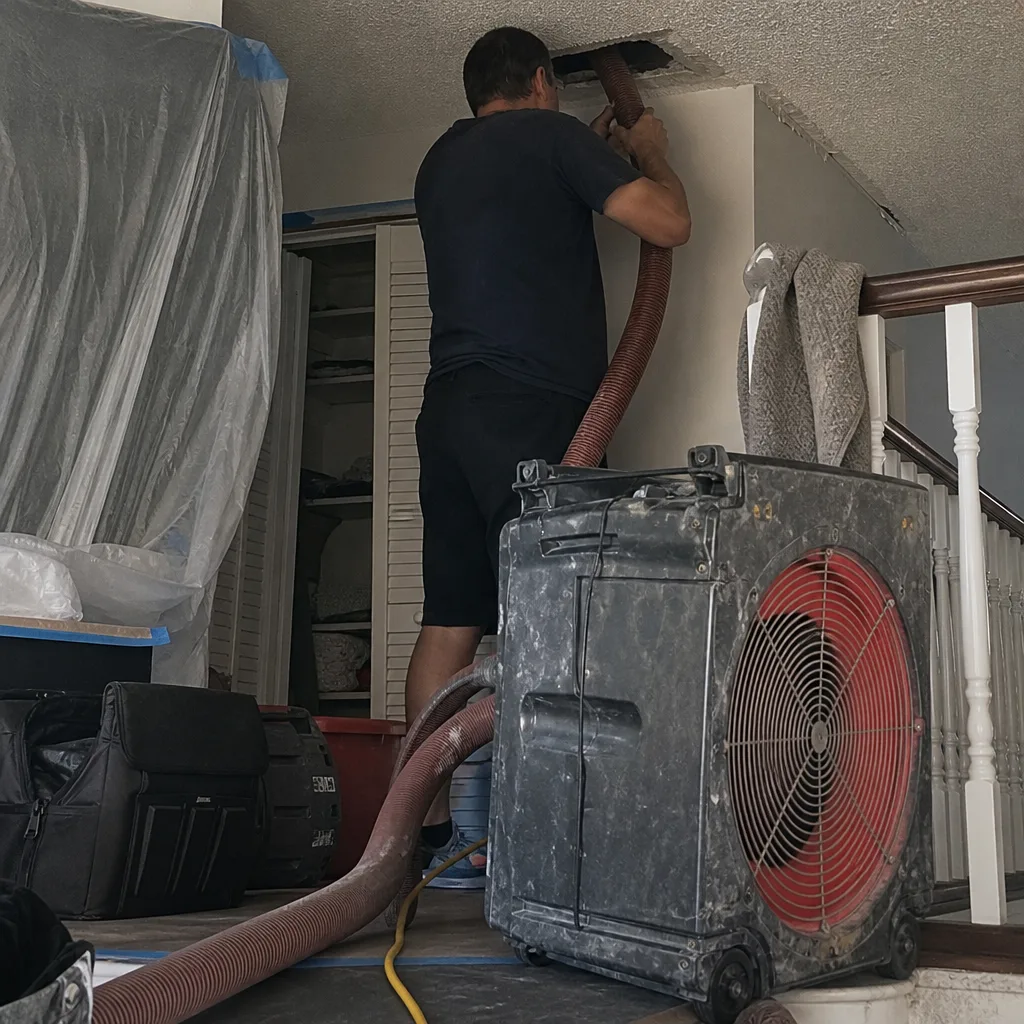
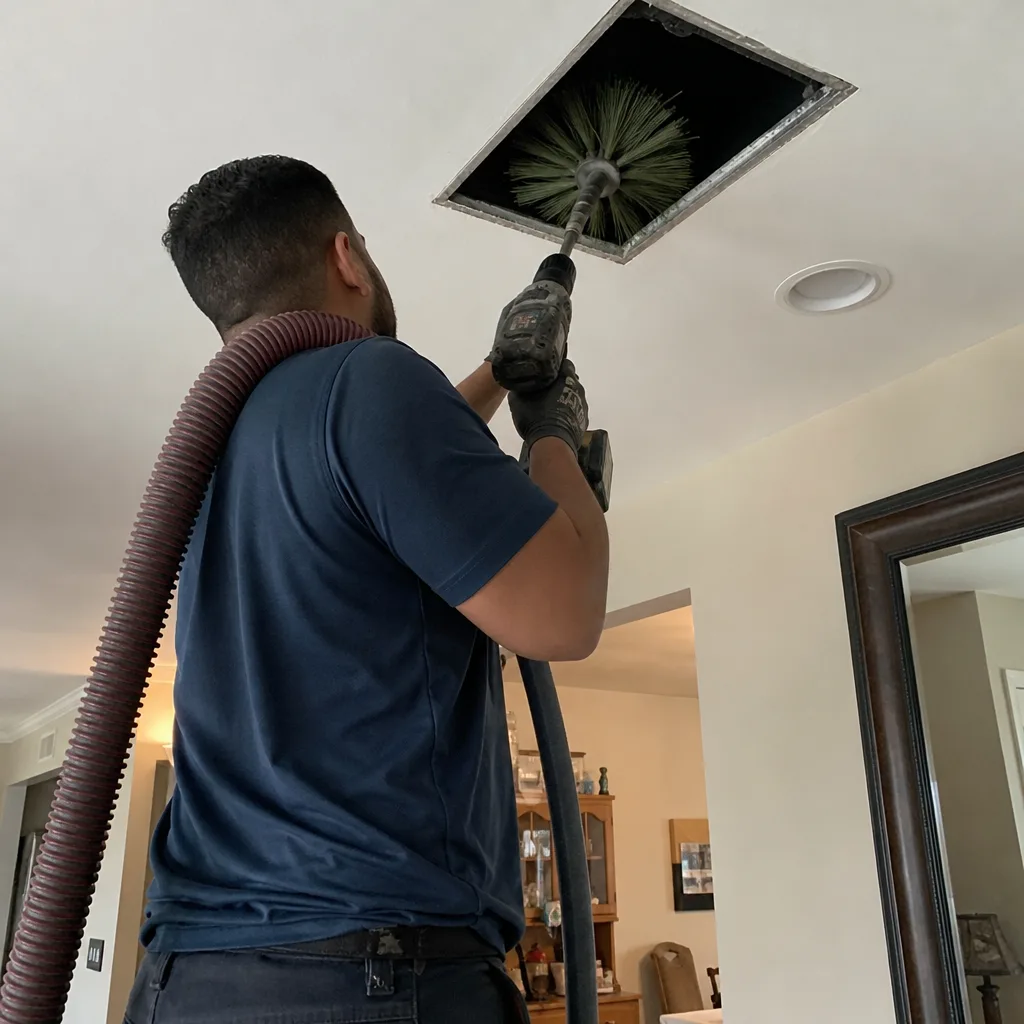
The first method is what the industry calls negative-pressure source removal. This is the standard set by NADCA, the National Air Duct Cleaners Association, under its ACR (Assessment, Cleaning, and Restoration) standard, and it matters more in humid climates than anywhere else. A technician connects a high-powered vacuum unit, often a Nikro or Abatement Technologies negative-air machine, directly to the duct system at the air handler. That creates a strong vacuum throughout the entire duct network. With the system under continuous negative pressure, the technician runs agitation tools, most commonly a Rotobrush rotary brush system with pneumatic or electric whip lines, through each branch duct from the supply registers. Debris is loosened, pulled back toward the vacuum, and captured in a HEPA filtration unit before it can enter the living space.
The key word is source removal. The contaminants are physically extracted from the system, not just displaced. The negative pressure also means that when the technician agitates the ducts, loosened particles are pulled toward the collection point instead of being blown out of a register into your bedroom.
The second method is what we call brush-and-blow, and it has no place in a properly maintained Fort Lauderdale home. A technician pushes a spinning brush down each duct from the register side, loosening debris. Without a negative-air machine on the system, whatever that brush loosens has nowhere to go except forward: into the supply plenum, onto the coil, or back into the room through the register. Some crews then run a standard air compressor to blow what remains further down the line. The result is that the ducts look less dusty at the register opening, but the actual contaminant load inside the system has moved deeper or been redistributed, not removed.
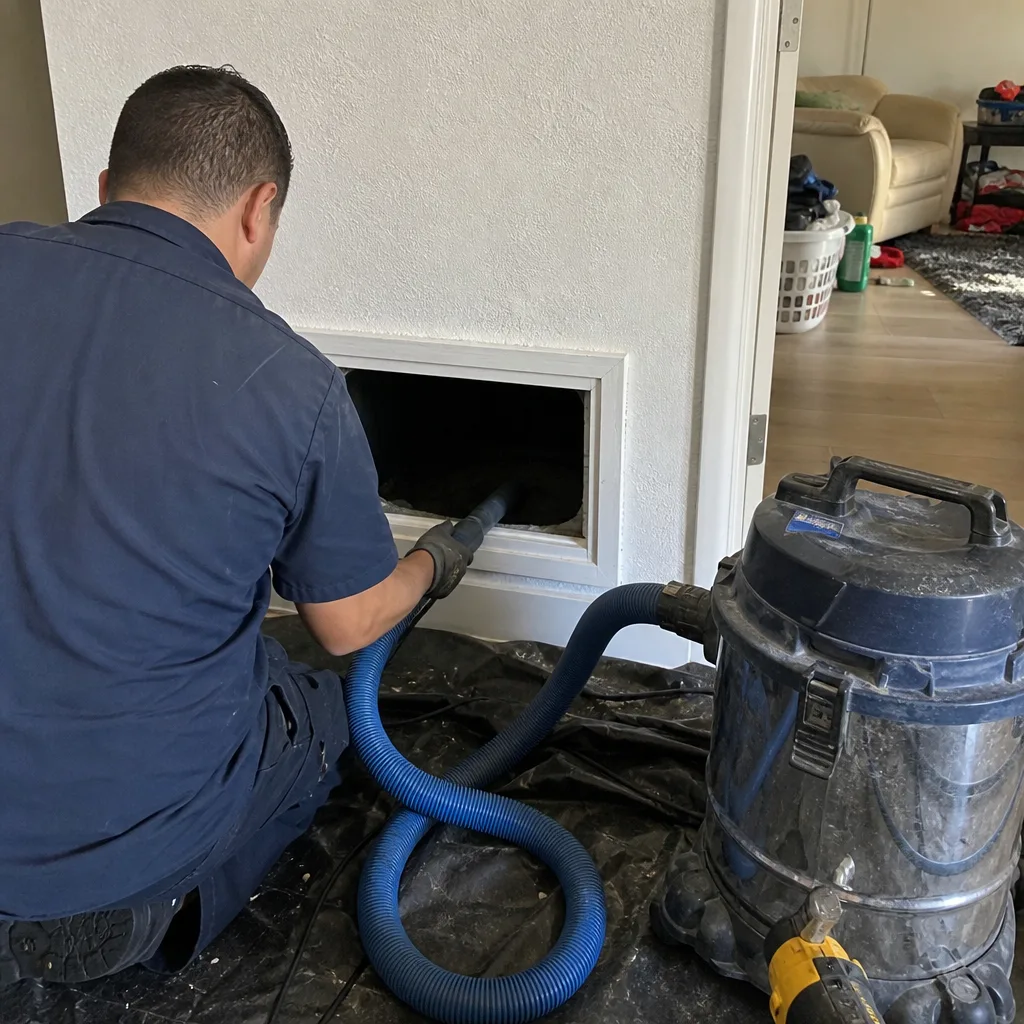
Brush-and-blow remains common because it is cheap to offer. A crew with a drill, a brush attachment, and a shop vac can call themselves duct cleaners. In a dry climate, that method leaves residual dust that is cosmetically acceptable. In Fort Lauderdale, it leaves fine organic material packed against a damp coil or trapped in a wet supply plenum, which is exactly the condition that promotes mold growth. The method is not just inferior here; it is actively counterproductive.
When we clean a system, we set up negative pressure with professional-grade equipment, run a rotary brush through every branch, clean the supply and return plenums by hand, and document the work with photos. That is the only method we offer because it is the only one that works in this climate. You can see more about our process on our Air Duct Cleaning in Fort Lauderdale page.
How Much Does Air Duct Cleaning Cost in Fort Lauderdale?
Air duct cleaning in Fort Lauderdale costs more than the national average because South Florida homes have larger cooling loads, more air handlers per square foot, and duct systems that are often run through hot, humid attics where access is slower and more physically demanding. A national average of $300 means nothing here. Here is what we see in the local market:
| Job Type | Typical Price Range | What It Includes |
|---|---|---|
| Single air handler, home under 2,000 sq ft | $450 to $650 | Full negative-pressure cleaning of all supply and return ducts, plenum cleaning, coil inspection, before/after photos |
| Single air handler, home 2,000 to 3,500 sq ft | $600 to $800 | Same scope, larger duct network, more register drops |
| Dual air handler or two-story home over 3,500 sq ft | $750 to $1,100 | Two full systems, both return and supply networks, attic and closet air handlers |
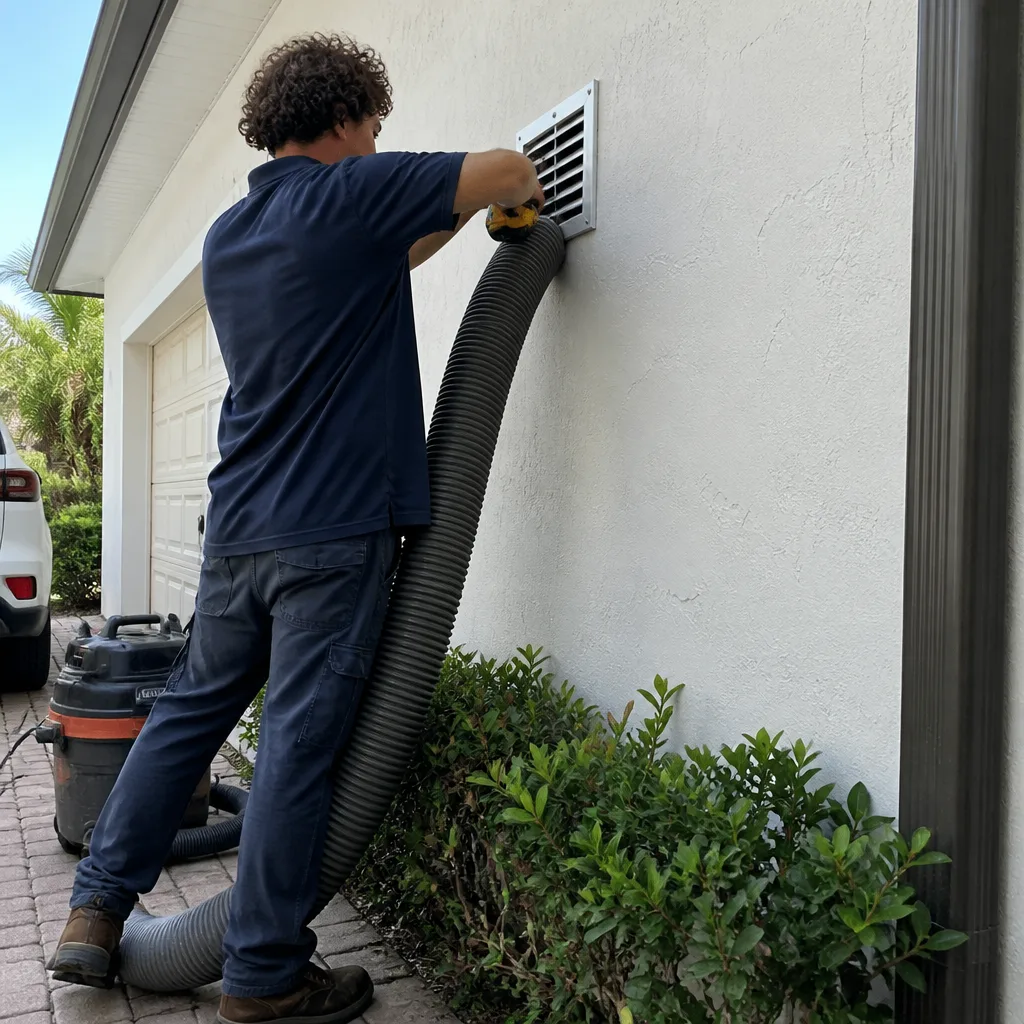
| Duct cleaning plus dryer vent cleaning | Add $120 to $180 | Full dryer vent brush-out from dryer to exterior termination |
| Duct cleaning plus supply-side sealing | Add $400 to $700 | Aeroseal or mastic sealing of accessible supply leaks identified during the job |
What should raise a red flag is any quote under $300 for a full home. At that price, either the crew is running brush-and-blow without proper negative pressure, or they are using the low number to get inside and then discovering “problems” that suddenly make the real invoice much larger. That bait-and-switch pattern is the single most common complaint we hear from Fort Lauderdale homeowners who call us after a bad experience, which is why we published How to Hire a Air Duct Cleaning Contractor in Fort Lauderdale: A Step-by-Step Guide.
Hollis Air Duct Fort Lauderdale writes the price down before any work starts. The number on the written estimate is the number you pay. If the technician finds something unexpected during the job, like a disconnected return duct or a collapsed flex run, that is a separate conversation with a separate written quote before we touch it. No surprises at the door, no invoice that balloons after the van is in the driveway.
For a more detailed breakdown of what we see in local pricing, see our Hollis Air Duct Fort Lauderdale home page.
What a Legitimate Fort Lauderdale Job Scope Looks Like
A proper air duct cleaning in Fort Lauderdale is a four to six hour job on a single air handler home. If a crew quotes you 45 minutes, they are not cleaning your ducts. Here is what a legitimate scope includes, step by step:
- System assessment. The technician should inspect the air handler, identify both the supply and return plenums, check the filter, and note the number of registers. In Fort Lauderdale, that inspection should also include a look at the condensate drain line, because a clogged or slow-draining line is the most common source of moisture problems that get blamed on dirty ducts.
- Access point creation. A real cleaning requires cutting one or more access holes into the supply and return plenums, typically 8 to 10 inches in diameter. These are cut with snips, not punched, and they are sealed with metal patch plates and mastic when the job is done. If a technician never cuts an access point, they never put a vacuum on the system, which means they never did source removal.
- Negative-pressure setup. The vacuum unit is connected at the air handler and the system is brought under continuous negative pressure. In a typical Fort Lauderdale home with 12 to 18 supply registers, this takes 20 to 30 minutes to set up correctly.
- Branch duct agitation. Each supply and return branch is worked individually from the register side using a rotary brush or whip line. This is the bulk of the labor and takes two to three hours on a full system.
- Plenum and air handler cleaning. The supply and return plenums are cleaned by hand or with a larger agitation tool while the vacuum is running. The blower wheel and evaporator coil should be inspected, and if the coil is fouled, a separate coil cleaning is recommended, not bundled as a surprise add-on.
- Filter replacement. A new filter goes in before the system is restarted. The old filter, covered in whatever was just removed, goes in the trash.
- Documentation. The technician photographs the inside of both plenums and representative branch ducts before and after cleaning. You should see visible difference between the before and after photos. If a company cannot or will not provide photos, you have no way to confirm the work was done.
- Final walkthrough. The access holes are shown to you, sealed and painted with mastic. The registers are reattached, the site is swept, and the system is turned back on to confirm proper airflow.
Every Hollis air duct cleaning job follows this scope, and the before-and-after photos are part of the job, not an extra. Our technicians work under The Garrison Code: arrive inside the window, price in writing, complete the job by the book, leave the site clean. That applies to every job, every time.
How to Read a Written Estimate and Spot Inflated Line Items
The difference between a legitimate written estimate and a setup for a bait-and-switch is visible on the page if you know what to look for. Here are the most common line items that exist only to inflate the final invoice after the job starts:
- “Supplemental deep cleaning” or “heavy buildup fee.” A legitimate quote accounts for the condition of the system upfront. If a company quotes a price and then, after opening your ducts, says there is a heavy buildup that requires an additional fee, that is either a failure of their assessment or a deliberate upsell. In Fort Lauderdale, years of undisturbed buildup is the standard condition, not an exception. A competent company prices for it.
- “Per-vent pricing” with a low teaser rate. A $49 quote that turns out to be $49 per vent, times 18 vents, plus a “system start fee,” plus a “disposal fee.” The final invoice is three times what you expected, and the crew is already inside. Legitimate companies quote a flat price per system, not per vent.
- “Mold remediation” as a mid-job discovery. Florida law limits what a residential air duct cleaner can claim or perform. A technician who opens a plenum, points at dark staining, and declares an emergency requiring a $2,000 remediation add-on is usually pointing at dust accumulation on a damp surface. That is a cleaning issue, not a remediation issue. Actual mold remediation is a separate scope of work, and it should be confirmed by laboratory testing, not a visual glance.
- “Sanitizer application” with no product name. If the estimate lists a sanitizing treatment but does not name the specific product, the EPA registration number, and the application rate, it is likely a diluted bleach solution with a markup. More on this below.
- “Duct replacement recommended” on first visit. Some crews show up with a thumb drive full of photos of “collapsed” flex ducts and immediately recommend a full system replacement. Sometimes that recommendation is legitimate, especially in older Fort Lauderdale homes with original 1980s duct systems. But if it is delivered as a high-pressure pitch on the same day, without a written report and a second opinion, that is a red flag. Legitimate companies document the problem, show you the photo, and give you time to decide.
At Hollis, our estimate is one page. It has the system description, the scope of work, the flat price, and the 365-Day Done Right Promise in writing. There are no fee triggers, no per-vent multipliers, and no conditions under which the price changes once we begin. That is the Garrison Standard, and it is written down because our customers in Fort Lauderdale have seen what happens when it is not.
Sanitizing Agents: When They Help and When They Are an Upsell
Sanitizing agents are chemical products applied to the interior surfaces of ductwork after cleaning to reduce microbial contamination. The category covers a wide range of chemistry, from hydrogen peroxide-based formulations sold under brands like Guardsman to quaternary ammonium compounds and chlorine dioxide. Florida requires that any sanitizer used inside a residential air duct system be registered with the EPA for that specific application, and the technician applying it must follow the label’s application rate and method exactly.
When are sanitizers appropriate? Rarely. A properly cleaned duct system with dry components and a functioning condensate drain does not need a chemical sanitizer. The cleaning itself removes the food source that microbes feed on. If the system has a documented mold or bacterial problem, confirmed by testing, and the source of moisture has been identified and corrected, then a registered antimicrobial may be part of the solution. That is a remediation scenario, not a routine cleaning add-on.
When are sanitizers an upsell? Most of the time, when they are offered as a line item on a routine cleaning invoice. A technician who says “for $95, I can fog a sanitizer through the system” is usually selling a bottle of diluted disinfectant that costs $15 and provides no lasting benefit in a dry, clean system. If you want a sanitizer, ask three questions: What is the exact product name? What is the EPA registration number? What is the application rate per square foot of duct surface? A technician who cannot answer all three on the spot should not be spraying anything into your air stream.
We use sanitizing agents only when a documented condition calls for them, and we use products registered for HVAC application, not general-purpose cleaners from a hardware store shelf. That is the same discipline we apply to our Dryer Vent Cleaning in Fort Lauderdale service: no treatments, coatings, or upgrades that do not have a clear, documented reason to be there.
There is one related service that is worth doing in a Fort Lauderdale home, and it gets confused with sanitizing: Duct Sealing in Fort Lauderdale. Sealing is the process of closing the gaps and leaks in your duct system with mastic or aerosolized sealant, and it has a measurable effect on system efficiency and indoor humidity control. If you are concerned about moist, unconditioned attic air being pulled into your supply ducts, sealing is a structural fix. Sanitizing is a chemical treatment. They serve different purposes, and a good technician will tell you which one your home actually needs.
Common Mistakes to Avoid
- Paying for brush-and-blow as if it were full source removal. Ask the company directly: “Do you use a negative-air machine?” If the answer is no, or if they deflect, you are paying for a cosmetic dusting. In Fort Lauderdale’s humidity, that is worse than doing nothing because it moves biological material deeper into the system.
- Choosing a company based on a television commercial or a direct-mail coupon with a $69 price. Nobody can clean a full duct system for $69. The low price is a lead generation tool, and the real invoice arrives after the technician has been in your attic for 20 minutes.
- Skipping the before-and-after photos. This is the only way to verify the work was actually done. A company that pushes back on providing photos is telling you something about how they operate.
- Cleaning the ducts before fixing the water problem. If your indoor unit is in a closet with a slow condensate leak, or your return plenum is pulling in moist air from a damaged chase, cleaning the ducts without addressing the moisture source is like painting over rust. The problem returns within a year.
- Replacing the filter only when it looks dirty. In Fort Lauderdale, a MERV 8 filter in a home with two adults and a dog should be checked monthly and changed every 60 to 90 days at most. A clogged filter increases pressure drop, which strains the blower and pulls more unconditioned air through any gaps in the return system.
- Believing that duct cleaning will fix poor airflow or high humidity. Duct cleaning removes contaminants. It does not fix a refrigerant charge problem, an undersized return, a failed blower motor, or a leaky duct system. Those issues require their own diagnosis and repair.
- Deferring dryer vent cleaning while you have the duct crew on site. Dryer vents in Fort Lauderdale fill with lint faster than inland homes because higher humidity causes lint to clump and adhere to the vent walls rather than blow through. If you are already paying for a duct cleaning visit, adding a dryer vent service is the most cost-effective time to do it.
When to Call a Professional
Call a professional air duct cleaner if you have lived in your Fort Lauderdale home for five or more years and cannot remember when the ducts were last cleaned, or if you bought the property from a previous owner who left no maintenance records. Call sooner if you see visible dust discharging from the supply registers when the blower kicks on, if certain rooms smell musty only when the air conditioner is running, or if you have completed a major renovation that generated drywall dust, tile dust, or sanding debris. If someone in your home has a respiratory condition that is worse indoors than out, duct contamination is worth investigating alongside air filtration. Hollis Air Duct Fort Lauderdale offers free estimates in Fort Lauderdale, call (754) 354-3644, and we will inspect your system, write the price down, and tell you honestly whether cleaning is worth doing now or can wait.
Frequently Asked Questions
Air duct cleaning in Fort Lauderdale typically costs $450 to $900 for a full single-family home, depending on the number of air handlers and the size of the duct system. Homes with two air handlers or large square footage run $750 to $1,100. Call (754) 354-3644 for an exact quote, estimates are free.
In Fort Lauderdale’s climate, every four to seven years is a reasonable interval for most homes, with the shorter end for pet owners and homes near the Intracoastal. Renovation projects, water intrusion events, and hurricane seasons can accelerate the timeline. If you are unsure whether your system is due, a visual inspection of the return plenum will usually settle it.
Cheaper quotes usually reflect cheaper methods: brush-and-blow without a negative-air machine, per-vent pricing that multiplies at the door, or a “basic” package that excludes plenum cleaning and coil inspection. In Fort Lauderdale, the method matters more than the price, because incomplete cleaning in a high-humidity system can leave organic material piled against a damp coil.
Demand before-and-after photographs of the inside of the supply and return plenums and representative branch ducts. A legitimate company takes them as standard practice. If the after photos look the same as the before photos, or if no photos exist, you have grounds to withhold payment and call a second company.
Removing accumulated dust, pet dander, and organic material from the duct system reduces the total particulate load circulating through the home, which can help some allergy sufferers. It is not a cure for seasonal pollen, which comes through open doors and windows, and it does not replace good filtration at the return. Pairing duct cleaning with a quality media filter rated MERV 11 or higher is the most effective combination we see in local homes.
Routine duct cleaning is considered maintenance and is not covered by a standard homeowners policy. Exceptions exist when the contamination was caused by a covered event, such as a hurricane, fire, or a documented water loss. If you are filing a claim for storm-related contamination, document the damage with photos and get a written scope of work from your contractor before work begins.
The Bottom Line
Fort Lauderdale homes need a different standard of duct care than the rest of the country. Salt air corrodes, humidity promotes biological growth, and storm events inject debris that a national guide never considers. The correct response, every time, is negative-pressure source removal with full documentation, not the cheapest brush-and-blow special. Know the method, read the estimate, demand the photos, and fix moisture problems before cleaning anything. When you are ready, Hollis Air Duct Fort Lauderdale will inspect the system, write the price down, and stand behind the work with the 365-Day Done Right Promise. Call (754) 354-3644 for a free estimate, and we will tell you plainly whether your ducts need attention this year or can wait.
Written by Roy Castellanos, Owner at Hollis Air Duct Fort Lauderdale, serving Fort Lauderdale since 2004. For more guides & resources, visit our blog.
See the difference
 Before
 After
After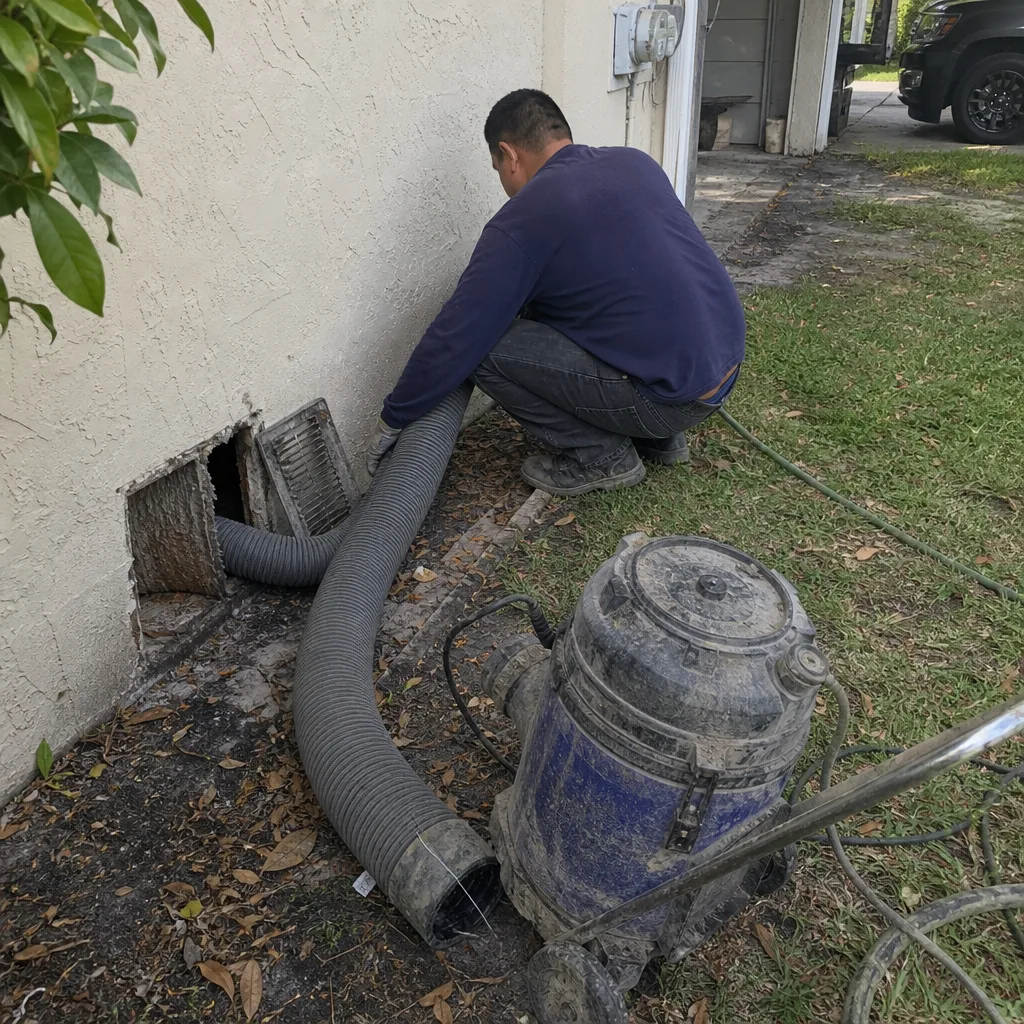 Before
 After
After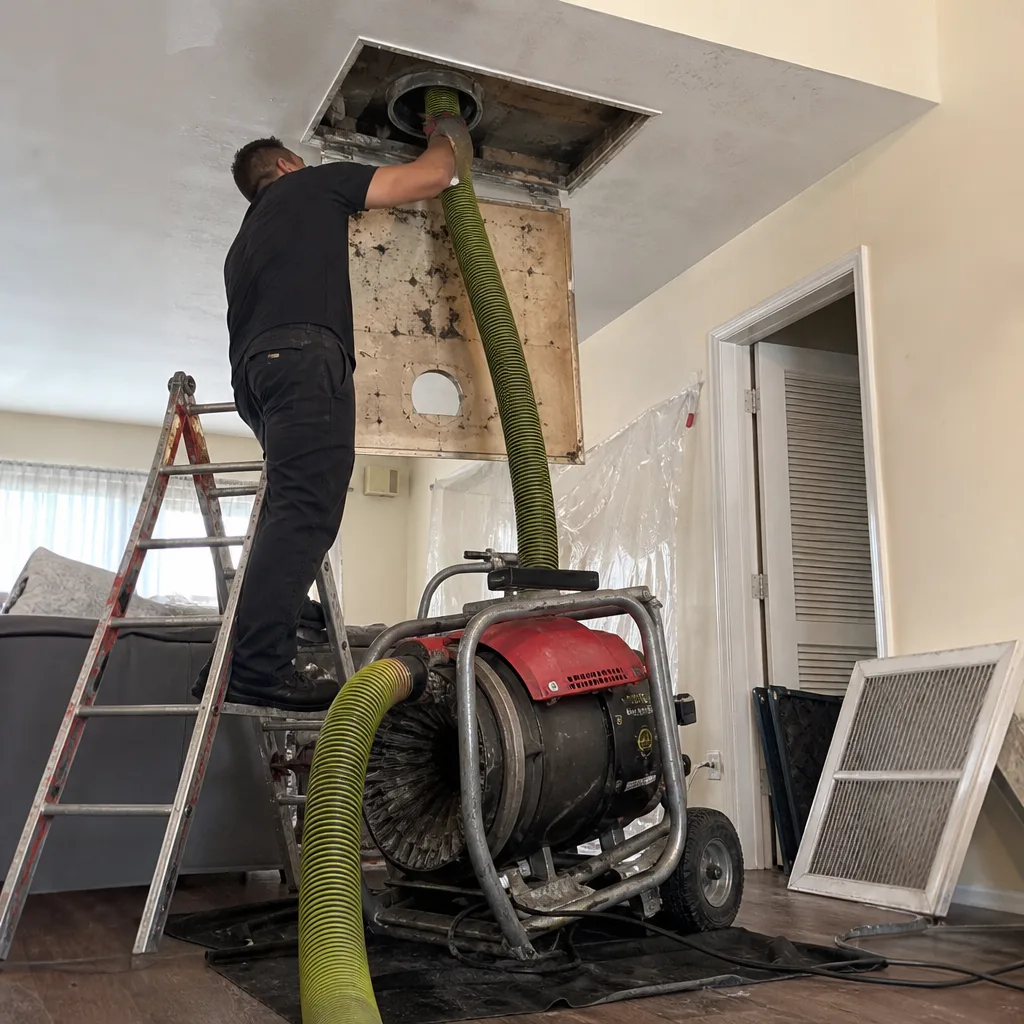 Before
 After
After