
Last updated October 15, 2026
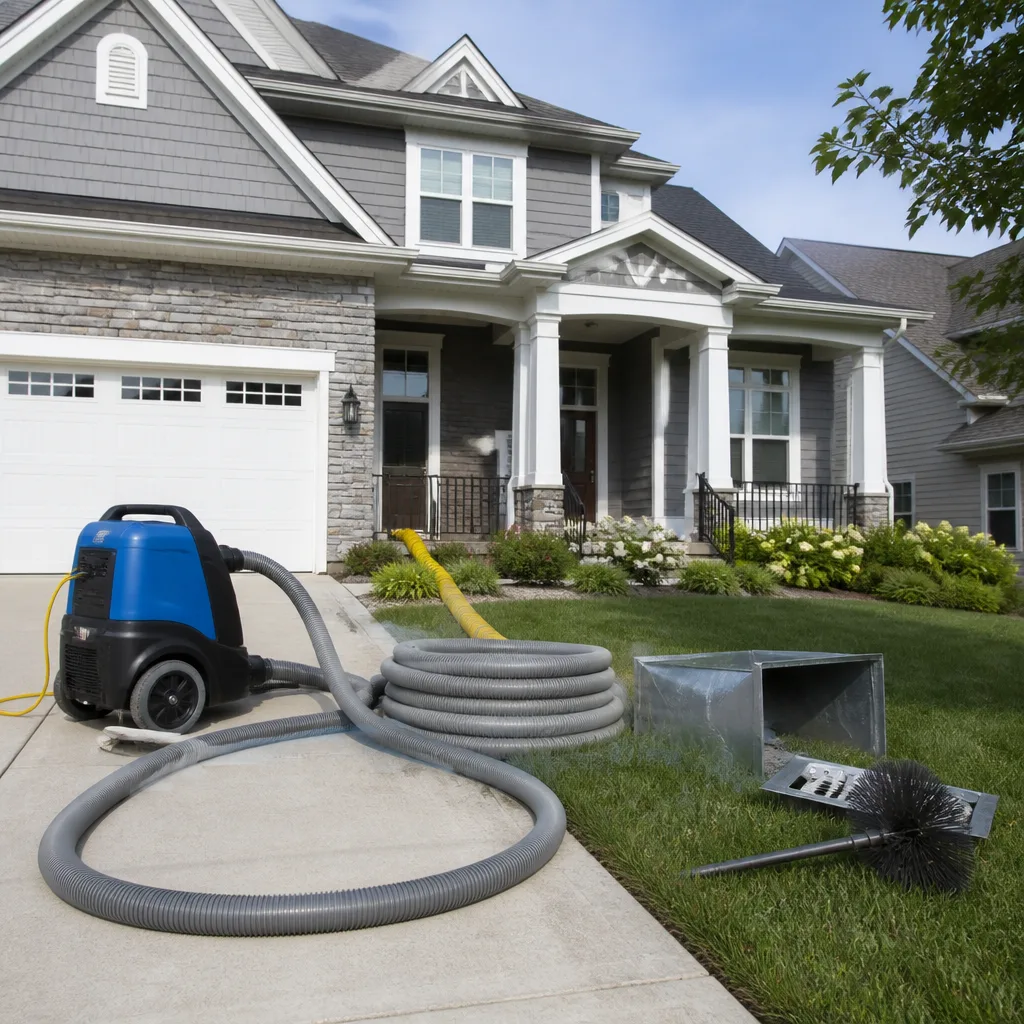 Whole-home duct cleaning
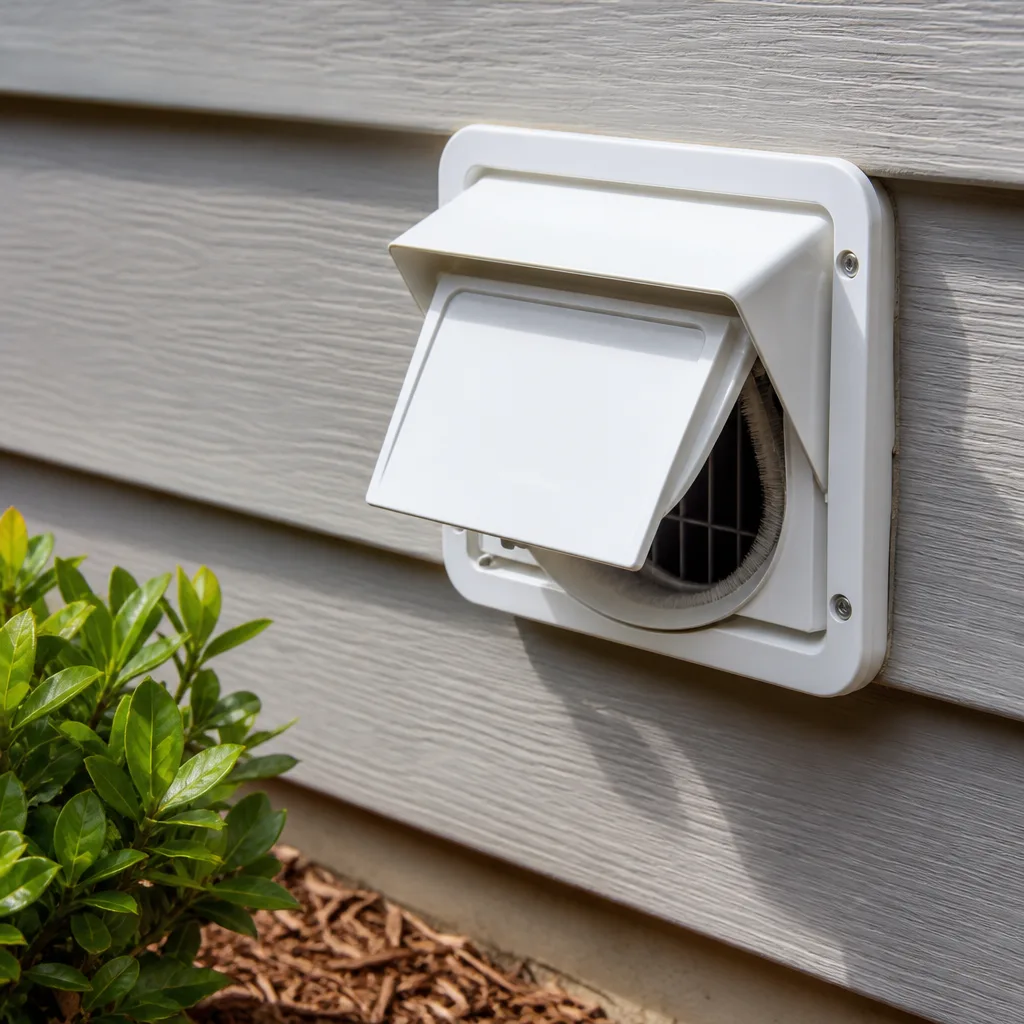 Dryer vent cleaning
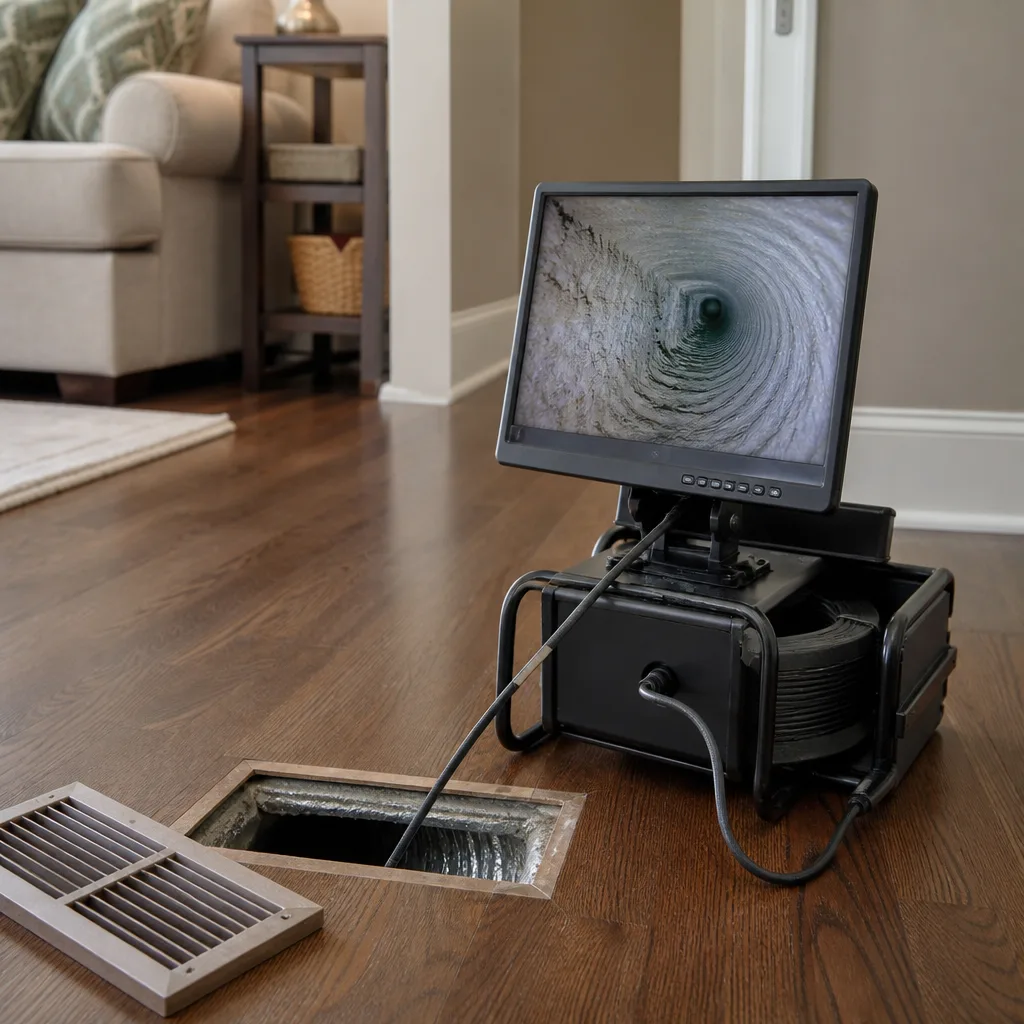 Camera inspection
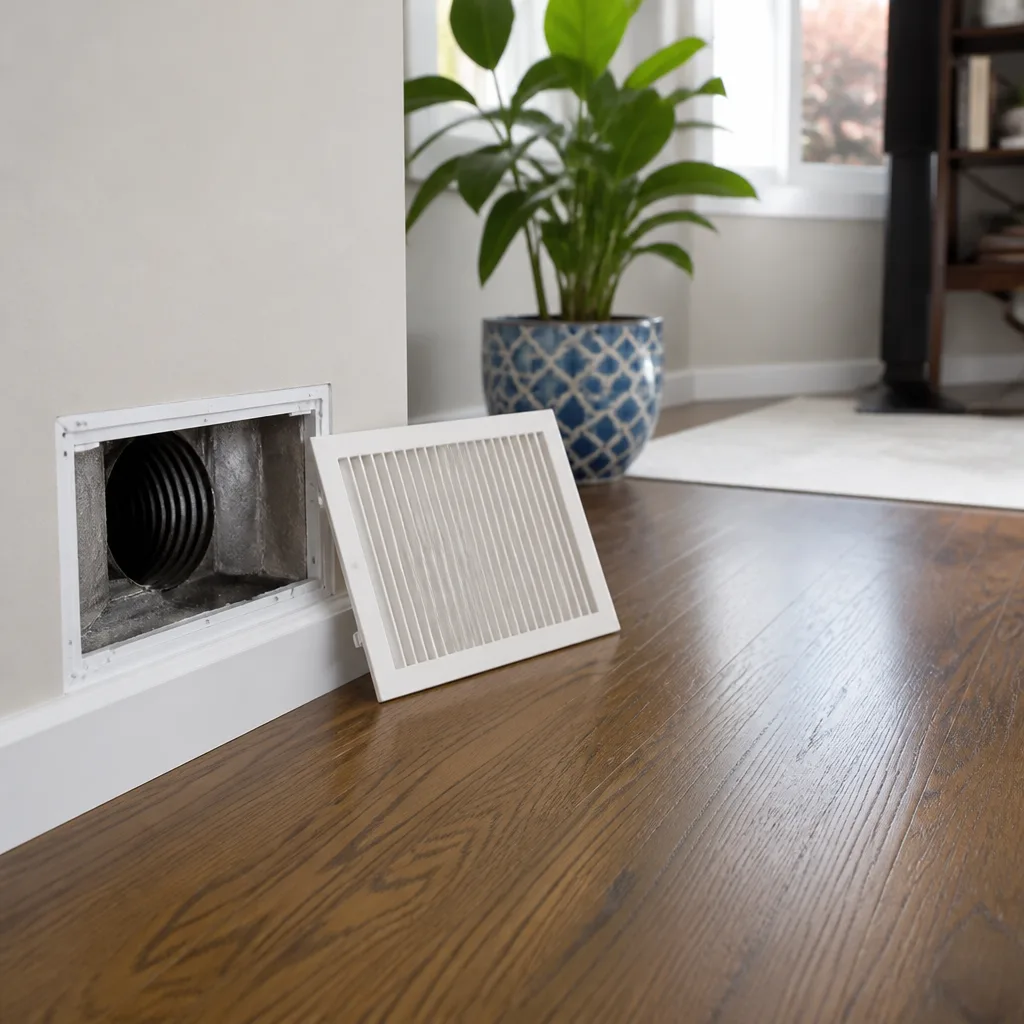 Sanitizing & deodorizing
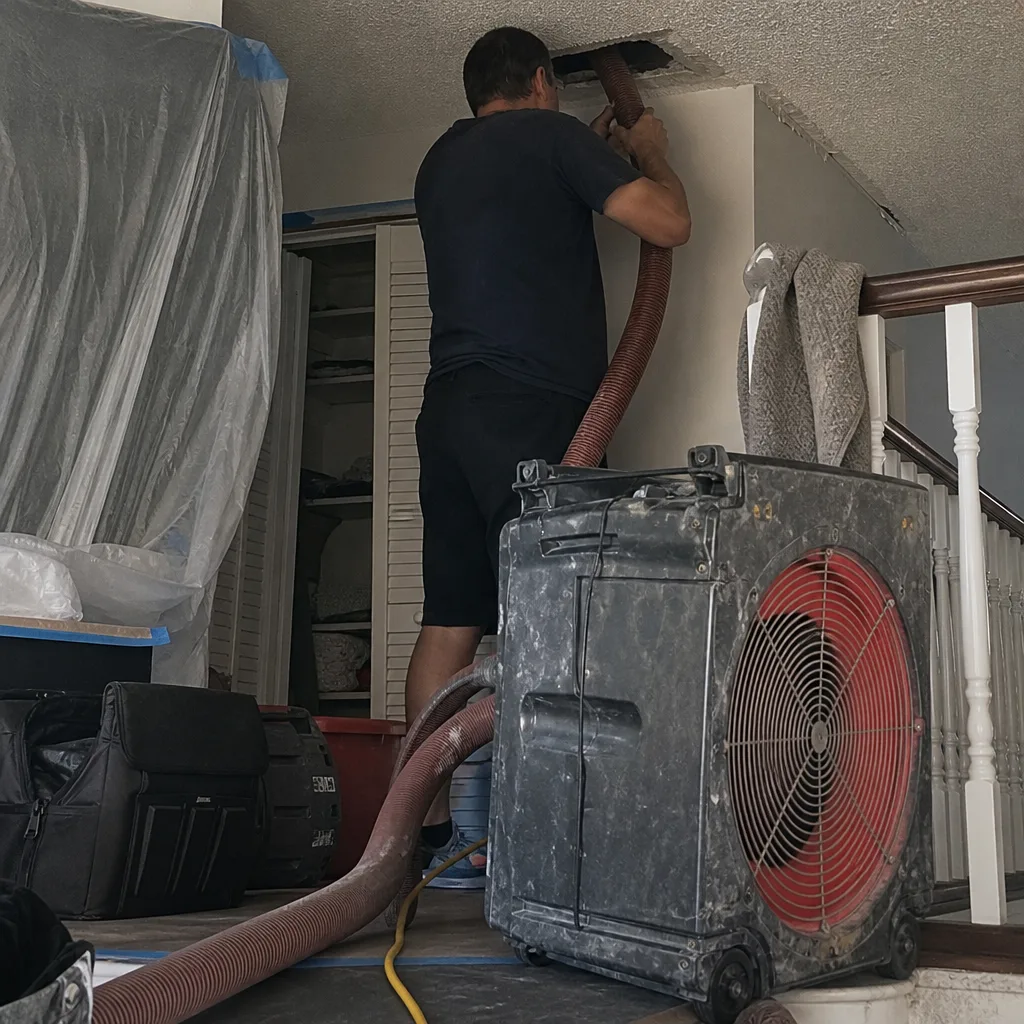
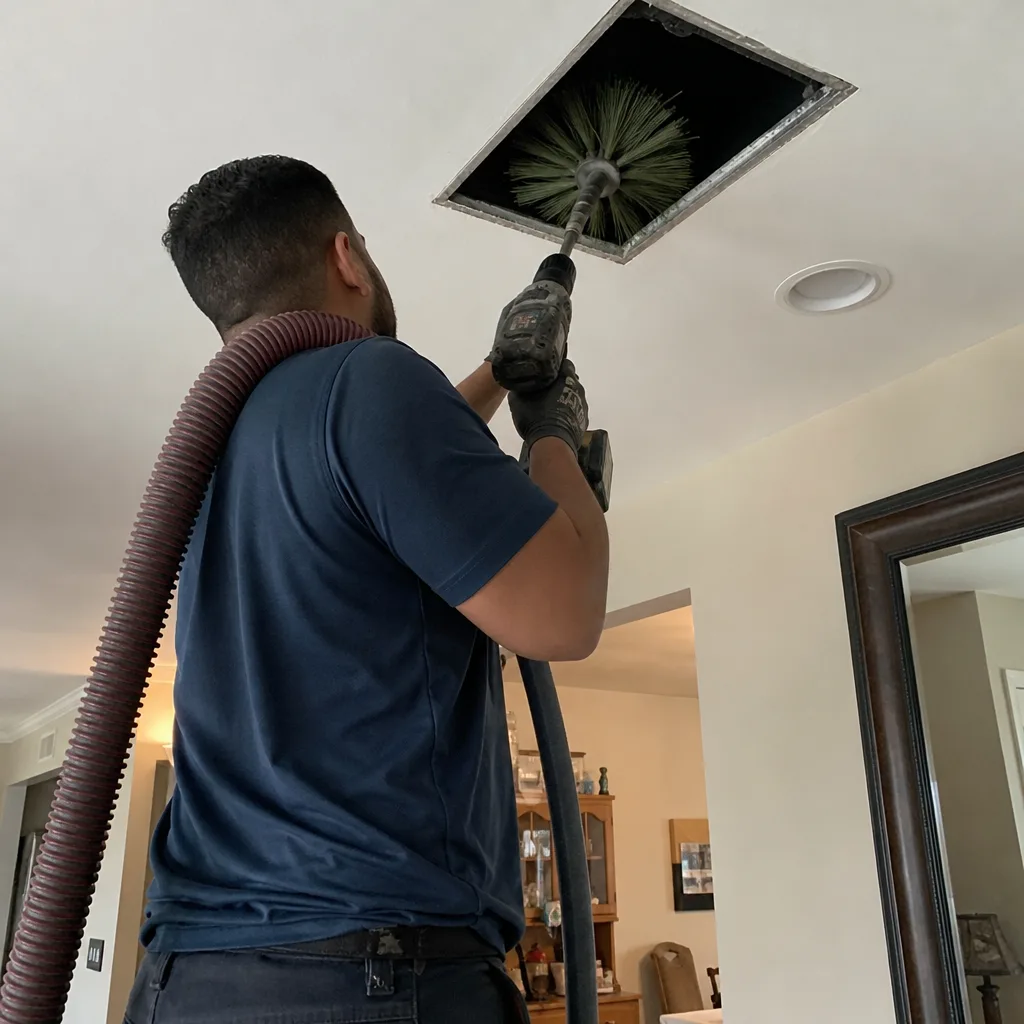
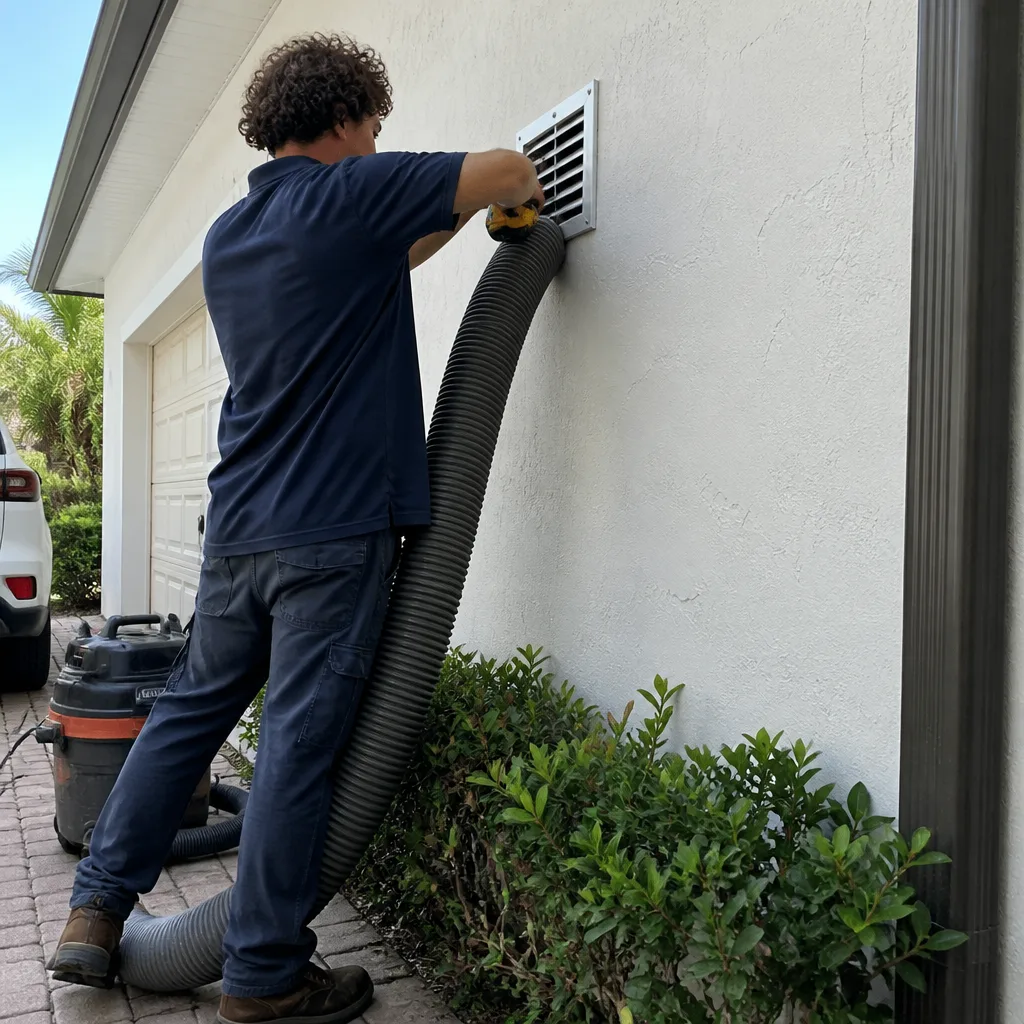
Whole-system duct and dryer vent check with before-and-after photos - you see exactly what came out of your vents
That "$99 whole-house special" is a bait ad - the real number appears once they are in your hallway, or the "clean" is a shop-vac at the register. We photograph the inside of your ducts before and after instead.
Seasonal Air Duct Cleaning Care for Fort Lauderdale: Year-Round Homeowner’s Guide
Most air duct cleaning guides read like they were written for Ohio. Fort Lauderdale doesn’t have a leaf-raking season or a furnace-before-winter rush. What we have instead is a climate calendar that pushes air through your ducts differently every month: a muggy wet season, a dry season that’s not actually that dry, and a hurricane window that can turn a well-maintained duct system into a biology experiment inside three days of power outage. This guide replaces the generic four-season framework with one that maps to Broward County’s actual weather patterns, pollen cycles, and storm risks. If you’ve lived in Fort Lauderdale for more than a year, you already know the humidity rules everything. The question is what to do about it, and when.
Styles & brands we work with
Quick Answer
In Fort Lauderdale, Air Duct Cleaning is best scheduled during the dry season window from November through March, when lower humidity allows ductwork to dry thoroughly after cleaning and before mold has conditions to regroup. The six weeks after the wet season ends in late October are also the most important inspection window of the year, because that’s when moisture-driven problems that developed over the summer become visible but are still small enough to fix cheaply. Pre-hurricane documentation in April or May and post-storm inspection after any extended power outage round out the year-round plan.
Table of Contents
- Fort Lauderdale’s Three Seasons: A Duct System’s Actual Operating Environment
- Month-by-Month Fort Lauderdale Duct Stress Calendar
- Wet Season (May – October): What Moisture Does to Ductwork
- Dry Season (November – April): The Right Window for Cleaning
- Pre-Hurricane Prep (April – May): Document Before the Storm
- Post-Storm Protocol: When Inspection Becomes Mandatory
- Snowbird and Vacant Home Duct Risks
- Common Mistakes to Avoid
- When to Call a Professional
- Frequently Asked Questions
Fort Lauderdale’s Three Seasons: A Duct System’s Actual Operating Environment
Fort Lauderdale runs on a three-season climate calendar: the wet season from roughly May through October, the dry season from November through April, and the hurricane window that peaks from mid-August through late October. Each season changes what’s moving through your ductwork and what’s growing inside it.
During the wet season, relative humidity in Fort Lauderdale sits between 75% and 90% most afternoons. Your air conditioner runs constantly, which means air is moving through your ducts constantly. That sounds fine until you understand what’s in that air: salt spray from the Atlantic, pollen from oak and Australian pine, and the fine particulate matter from I-95 and the port that hangs in humid air far longer than it does in dry air. All of it gets pulled into your return ducts. Some of it sticks to the walls. Some of it combines with condensation. That’s how wet-season duct contamination starts, and why it doesn’t go away on its own.
The dry season doesn’t actually get dry by national standards. Fort Lauderdale’s driest months, January and February, still average around 60% to 65% relative humidity. What changes is the rainfall pattern: from November through April, we get roughly 15 to 20 inches of rain instead of 50 to 60. That reduction matters. Lower ambient humidity means any moisture trapped inside ductwork has a fighting chance to evaporate. It also means any cleaning you schedule has a much better chance of drying properly before mold spores that are always present in South Florida air find a new place to anchor.
The hurricane window is the wildcard. A direct hit isn’t required to create duct problems. A power outage lasting 48 hours in a house with no AC running means indoor humidity inside the ductwork equalizes with outdoor humidity: 80% or higher. If that happens in September, you’ve created the same conditions inside your ducts as a Petri dish in a warm lab. We’ll cover the specific post-storm checklist in a later section.
Understanding this three-season system is the foundation of the entire Air Duct Cleaning in Fort Lauderdale conversation. Everything else on this page builds from it.
Month-by-Month Fort Lauderdale Duct Stress Calendar
Here’s what each month actually does to your duct system in Broward County, and what the right response looks like from a homeowner who wants to stay ahead of it.
January – February: The Best Cleaning Window
Dew points drop into the 50s. Humidity sits at its annual low. If you’re going to have your air ducts cleaned, this is the window to do it. The ducts dry faster after cleaning, which means any residual moisture from the negative-air extraction process evaporates before it can support mold regrowth. We also see less pollen in January and February, so you’re not cleaning a system while new particulate is actively pouring into it.
March: Pollen Onset
Oak pollen starts climbing in late February and peaks in March across Fort Lauderdale. If you haven’t cleaned your ducts by early March, wait until the oak peak passes. Cleaning ducts mid-pollen-season is like washing your car during a dust storm: the work gets done, but you’ve already got new contamination loading by the following week.
April – May: Pre-Hurricane Documentation Window
This is the time to photograph and document your HVAC system’s condition, including the air handler, visible duct runs, and any access panels. If a storm causes damage later in the year, having a dated baseline makes insurance conversations simpler. More on that in the pre-hurricane section below.
June – September: Peak Humidity, Peak Risk
This is the hardest stretch on Fort Lauderdale ductwork. Humidity sits above 75% nearly every day, afternoon thunderstorms are routine, and AC systems run around the clock. Any small duct leak pulls in humid, particulate-laden air. Any condensation point becomes a mold germination site. Cleaning during these months is possible, but drying times are longer and the window for new contamination is shorter. We schedule wet-season cleanings with modified drying protocols, but the work is always more effective when done during the drier months.
October: The Critical Inspection Month
Here’s the counterintuitive part. The wet season ends in October, but the damage it caused often doesn’t show itself visually until the first stretch of cooler, drier air moves through. Condensation stops concealing the problem. Musty odors that were masked by constant AC operation become detectable when the system cycles less. The six weeks after the wet season’s last heavy rain is when we find the highest concentration of previously undiscovered mold growth in Fort Lauderdale duct systems.
November – December: Second Cleaning Window
Early dry season is the second-best time for a full Hollis Air Duct Fort Lauderdale home duct cleaning. Humidity is dropping, the pollen calendar has quieted, and you’re heading into the holidays with a system that’s been through a full wet season. For snowbirds returning to Fort Lauderdale in November or December, this is the time to schedule cleaning before the house is occupied full-time again.
Wet Season (May – October): What Moisture Does to Ductwork
Fort Lauderdale’s wet season is not a passive condition. It actively changes the biology inside your duct system. Here’s what happens when month after month of 80% humidity moves through sheet-metal and flex-duct runs.
First, condensation. Your supply ducts carry air at around 55°F through unconditioned spaces like attics and garages where ambient temperatures hit 100°F plus. The exterior of the duct sweats. If the duct insulation is intact, the sweating stays outside. If the insulation has compressed, torn, or pulled away at the seams, that condensation forms inside the duct. That’s where mold starts, and it doesn’t need a leak or a flood to happen. Just daily condensation cycles for four months.
Second, salt and particulate loading. Fort Lauderdale’s coastal air carries salt aerosol. It’s fine enough to pass through standard return-air filters. Inside the ducts, it combines with condensation to form a damp, slightly alkaline residue that holds onto whatever else floats through: dust, pollen fragments, dust mite casings, and outdoor spores. Over a wet season, that residue builds up in the low points of horizontal duct runs and around the inside of every elbow and takeoff.
Third, biological amplification. The conditions inside a Fort Lauderdale duct system during the wet season are exactly what mold needs: a food source (organic dust), moisture (condensation), and temperature stability. Ducts don’t need to look dramatic to cause problems. A thin, even coating of growth across the interior of a supply trunk can change the odor of the air in your house and put mold spores into circulation every time the blower kicks on.
What should you do during the wet season? Three things. Change your return-air filter more often (every 30 days during May through October is reasonable for a standard 1-inch filter). Watch for condensation on visible duct surfaces in the garage or attic. And if you notice a musty odor that gets stronger when the AC runs, don’t wait for October to investigate. Odor is a late-stage signal, not an early one. By the time you can smell it, the growth is established enough to warrant a professional look. Our team sees this pattern constantly in Broward County homes. The houses with the healthiest systems are the ones where owners act on the first consistent odor report, not the ones that wait to see what happens.
Dry Season (November – April): The Right Window for Cleaning
If you’re going to clean your air ducts in Fort Lauderdale, the dry season is the time to do it, and the reason comes down to physics, not preference.
A proper duct cleaning uses negative-air pressure to pull dislodged particulate out of the system while rotary brushes or compressed air agitate the interior walls. It’s a wet-ish process in the sense that the equipment generates air movement and some methods introduce fine mist for dust suppression. After the cleaning, the interior of the ducts holds a small amount of residual moisture. In January, at 60% humidity, that moisture evaporates quickly. In August, at 85% humidity, it can hang around for days. That extended damp window is precisely what mold spores in South Florida air are waiting for.
So the practical answer is: clean between November and March when possible. If you must clean during the wet season because of an occupancy schedule, a renovation, or a post-storm situation, it can still be done properly. The key is extending the drying phase and verifying the system is dry before closing up access points. We run the system fan for a set period after wet-season cleanings to move dry indoor air through the ductwork, and we don’t rush the job. The drying phase is not optional in this climate.
There’s also a financial angle to dry-season cleaning. Duct systems in Fort Lauderdale accumulate most of their annual contamination load between June and October. Clean in November or December, and you’re removing everything the wet season put in. Clean in May, and you’re starting the wet season with clean ducts that will immediately begin accumulating again. The dry-season clean is the higher-value visit.
Dry season is also the right time to address Duct Sealing in Fort Lauderdale. Sealing mastic and tapes cure better in lower humidity, and you’re not fighting condensation while trying to get a clean bond on the duct surface. If an inspection finds leaks, the dry season is the correct time to fix them.
Pre-Hurricane Prep (April – May): Document Before the Storm
Most Fort Lauderdale homeowner storm prep stops at shutters, generators, and water supplies. What rarely gets done is documenting the HVAC and duct system before the season starts. That documentation matters when an insurance claim involves the air conditioning system or the air distribution network.
Here’s the pre-storm documentation protocol we recommend for Broward County homes, done in April or early May:
- Photograph the air handler in its installed location, including the cabinet, the visible duct connections, and the condensate line. Wide shots and close-ups.
- Photograph the return grilles and visible supply registers throughout the house, including any existing rust, peeling paint, or previous water stains. You’re establishing a baseline, not hiding anything.
- Photograph the duct runs you can see, whether in the attic, the garage, or a utility closet. Include the insulation condition around the exterior in each shot.
- Write down the date of your most recent professional duct cleaning and any duct sealing work. A receipt or invoice filed with the photos creates a maintenance record.
- If your system has any pre-existing issues, like a known condensate pan leak or a loose duct connection, photograph them specifically and note them in writing.
This takes twenty minutes. What it buys you is a baseline. If a storm rolls through in September and you’re dealing with a humidity-soaked attic and a musty system afterward, you can show your insurance adjuster exactly what the system looked like in April. You can demonstrate that the damage is storm-related, not a maintenance failure. In our experience with Fort Lauderdale storm claims, the homeowners who have this documentation resolve claims faster and with less friction than the ones who are describing a pre-storm condition from memory.
This is also the season to make sure your system is operating correctly before peak load arrives. A Dryer Vent Cleaning in Fort Lauderdale visit in late spring clears accumulated lint before the summer’s daily laundry loads. And a quick duct system check during the same visit can identify any areas where insulation has deteriorated over the previous dry season.
Post-Storm Protocol: When Inspection Becomes Mandatory
Not every storm requires a duct inspection. Most heavy afternoon thunderstorms are just weather. But there are specific conditions after which a duct inspection should be treated as a requirement, not an option.
Condition 1: Power outage longer than 48 hours. When the AC stops running, the inside of your ductwork equalizes with the outside air. In Fort Lauderdale, that means 80% plus humidity sitting inside sheet metal for days. Even after power returns and the AC starts running again, that moisture can take a long time to fully clear, especially in longer duct runs and insulated flex duct. Any organic material in the ducts now has the moisture it needs. If you were without power for two days or more, get a duct inspection before you ignore the system.
Condition 2: Standing water near the air handler or indoor unit. If your AC closet, garage, or utility room took on water and the air handler cabinet was in it, the unit likely pulled that water into the duct stream. The interior is now coated with contaminated moisture. Cleaning is the appropriate response, not waiting to see if it dries on its own.
Condition 3: Visible debris at return grilles or supply registers. If you can see leaves, roofing granules, drywall dust, or insulation fragments at any register, that material came from somewhere. Either the storm drove it through the exterior walls or the ducts themselves were disturbed. Either way, the inside of the duct run is contaminated and needs to be cleaned, not just vacuumed at the grille face.
Condition 4: Persistent musty odor after the storm passes. This is the signal most people ignore the longest. Fort Lauderdale air after a hurricane is humid and swampy, but once the AC has been running for a few days, the indoor air should still smell like indoor air. A persistent musty note that follows you through the rooms with the AC on points directly at the duct system.
If any of these conditions apply after a storm, a professional duct inspection and cleaning is the correct move. It’s also worth documenting the post-storm condition thoroughly with the same photo approach used in the pre-storm walk-through. Your insurance company will ask for both.
Snowbird and Vacant Home Duct Risks
Fort Lauderdale has a distinct homeowner profile most U.S. markets don’t: the snowbird. Thousands of homes in the area sit vacant from May through October, precisely the wet season window when duct systems are under maximum biological stress. A year-round occupied home runs its AC constantly, and that constant air movement is a form of passive protection. A vacant home doesn’t get that.
Here’s what happens in an empty Fort Lauderdale house during the summer. The thermostat is usually set to something like 80°F or 82°F to save energy. The AC still runs, but far less frequently than it would if the house were occupied. Fewer cycles mean less air movement through the ducts. Less movement means more settling time for whatever particulate comes into the system. It also means the interior of the ducts sits at 80-plus degrees for most of the day, with whatever humidity the outside air brings in through the building envelope. That’s a more stable, more hospitable environment for mold than an occupied home’s ductwork.
Snowbird homeowners often return to Fort Lauderdale in November or December and immediately notice a stale or musty odor when the AC runs at its normal occupied temperature. That odor is usually the result of five months of slow biological activity inside the duct system. The solution is the same as the timing suggests: schedule a duct cleaning in late fall or early winter, before the house is back to full-time use.
There’s also a practical recommendation for snowbirds: if you’re leaving a Fort Lauderdale home vacant for four to six months, set your thermostat no higher than 78°F and set the fan to run for a few minutes every couple of hours, not just when called for by the AC. That intermittent circulation keeps air moving through the ducts without running the compressor constantly. And if you can, have someone check the house monthly and run the fan for an hour just to move air through the system. A small operational detail like that can be the difference between returning to a clean-smelling house and returning to a duct cleaning bill that’s bigger than you expected, though still typically in the range of $300 to $600 for a typical single-family home in Fort Lauderdale depending on the number of systems and the size of the duct run.
Common Mistakes to Avoid
- Waiting for a visible problem to schedule a cleaning. By the time mold is visible on a register grille, the growth inside the duct run behind it is far more extensive. Visible mold at the outlet is an endpoint, not a starting point.
- Assuming your AC filter is doing the whole job. A standard 1-inch return filter catches large particulate. It does not address the fine salt aerosol, mold spores, and sub-10-micron particles that pass through it and accumulate on duct walls. Filter protection and duct cleanliness are different things.
- Scheduling cleaning in the middle of August because it’s convenient. August is the worst month in Fort Lauderdale for duct cleaning. High humidity extends drying times, and the system begins re-accumulating contamination almost immediately. If you can wait ten weeks, clean in November.
- Skipping a post-storm inspection because “the house seems fine.” Duct damage from storms is often invisible from the living space. You can’t see inside a duct run from your couch. After a 48-hour outage or any water intrusion, the only way to know the condition of the ducts is a visual inspection.
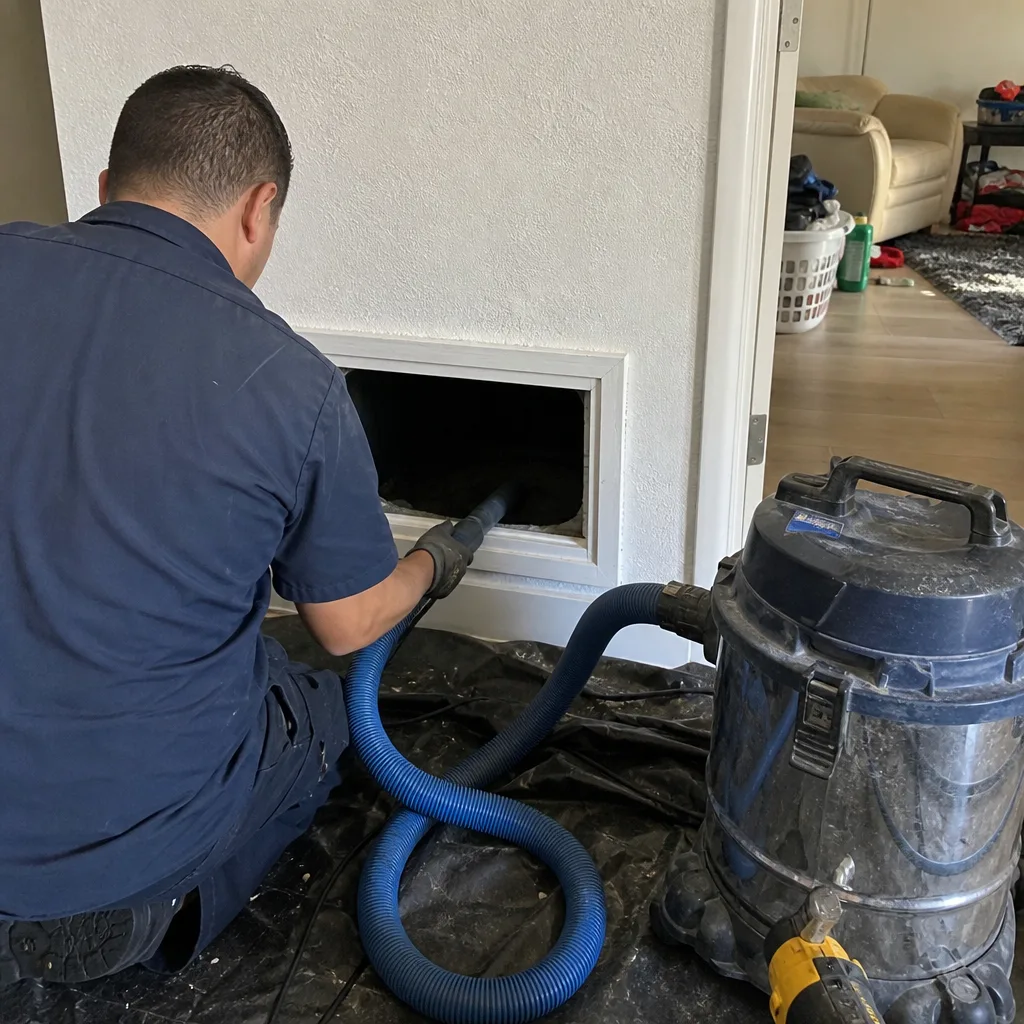
- Hiring the lowest bid without asking about the method. There’s a big difference between a rotary brush system like a Rotobrush and a cheap shop-vac approach. One physically agitates and removes the accumulation; the other may just move some loose dust around. Ask what equipment is coming, and ask if the price is written before work starts.
- Assuming a new house has clean ducts. New construction in Fort Lauderdale often leaves drywall dust, sawdust, and insulation fragments inside the duct runs. A newly built home may have a dirtier duct system than a 20-year-old home that’s been maintained. We’ve seen it repeatedly in new Broward County developments.
- Ignoring the odor because “South Florida houses smell that way.” They don’t. A properly maintained Florida home should smell like nothing when the AC runs. Any persistent musty or earthy note is information. Pay attention to it.
When to Call a Professional
Call a professional when the ducts haven’t been cleaned in five or more years and you live in Fort Lauderdale year-round. Call when you smell mustiness that tracks with the AC running, no matter what month it is. Call after any hurricane season event that involved a 48-hour plus power outage or any water near the air handler. Call when you return from an extended absence into a house that smells different than it did when you left. Call when you see visible dust plumes from registers, visible mold at grilles, or condensation forming on the outside of visible duct runs in your garage or attic. Hollis Air Duct Fort Lauderdale offers free estimates in Fort Lauderdale – call (754) 354-3644 and get a written price before any work starts.
Frequently Asked Questions
Air duct cleaning for a typical single-family home in Fort Lauderdale runs between $300 and $600, depending on the number of systems, the number of vents, and the accessibility of the ductwork. For a detailed breakdown, see our Air Duct Cleaning Cost Breakdown: The Fort Lauderdale Homeowner’s Reference for 2026. Some larger homes with multiple AC systems run higher. The important thing is getting a written price before the work starts, not a teaser quote that changes once the technician is standing in your driveway. Call (754) 354-3644 for an exact quote – estimates are free.
The cheapest quotes in the Fort Lauderdale market almost always come from crews that are not pulling a full negative-air extraction. They may be running a vacuum head through each register without sealing the system, which means they’re removing some surface dust but leaving the fine particulate and biological material on the duct walls. A legitimate cleaning uses a professional-grade negative-air machine like a Nikro unit and a rotary agitation system. The difference in equipment cost is why the quotes spread so wide. When you see a $99 whole-house duct cleaning offer, you’re looking at a sales lead generator, not a service quote.
Reputable duct cleaning companies in Fort Lauderdale provide before-and-after photographs of the interior of your ductwork, taken through the access points they cut or open. Ask in advance whether you’ll get those photos. If the answer is no or vague, that’s a red flag. At Hollis, we show you what the ducts looked like when we opened them and what they looked like when we closed them. There’s no other way to verify the work from the living space. Call (754) 354-3644 to discuss what a cleaning includes.
In Fort Lauderdale’s climate, every 3 to 5 years is the honest answer for a year-round occupied home. Homes with pets, smokers, recent renovations, or occupants with allergies may need it more frequently. Snowbird homes that sit vacant through the summer wet season often need attention every 2 to 3 years because the vacant period creates the conditions for faster biological build-up. If your ducts have never been cleaned and the house is more than ten years old, the first cleaning is usually the most valuable one.
You can replace your filters and vacuum your register grilles, but you can’t clean the interior of the duct run without professional negative-air equipment and the training to use it. The duct runs in most Fort Lauderdale homes are in attics and inaccessible wall cavities. Reaching them is not a weekend project. We recommend leaving the interior work to a professional crew with the right equipment, including rotary brush systems and HEPA-filtered negative-air machines from manufacturers like Rotobrush and Nikro. For more guides & resources on maintaining your system, visit our blog.
The humidity changes everything. In a dry climate, a duct cleaning is a straightforward mechanical job. In Fort Lauderdale, the same job has to account for higher biological risk, salt aerosol loading, longer drying times during the summer months, and the hurricane season’s impact on indoor air systems. The equipment matters more here. A negative-air machine with proper HEPA filtration is doing two jobs in Fort Lauderdale: removing particulate and preventing the blown-out contamination from settling back into the house. In a drier city, the latter is less of a concern. Here, it’s essential.
Duct cleaning removes the organic material that mold feeds on, but it doesn’t change the humidity level in your house. If your home in Fort Lauderdale has a humidity problem, the root cause is usually an oversized AC system, a clogged condensate drain, or a building envelope issue. What duct cleaning does is remove the biological load from the system so the air moving through it isn’t picking up spores and releasing them into the living space. Cleaning and dehumidification are separate jobs, and they’re both relevant in South Florida.
The Bottom Line
Fort Lauderdale’s three-season climate doesn’t just affect what you do outside. It sets the maintenance calendar for the air inside your home. The wet season loads your ducts with moisture, salt, pollen, and biological growth. The dry season gives you the right window to clean them, preferably between November and March. The hurricane window demands pre-storm documentation and post-storm inspection when specific conditions are met. Snowbird homes have their own risk profile that requires a more attentive schedule. None of this is about perfection. It’s about knowing what the climate does, timing your maintenance to the calendar, and acting on the earliest signals instead of the latest ones. That’s how you keep a Fort Lauderdale home’s air clean, year-round.
Written by Roy Castellanos, Owner at Hollis Air Duct Fort Lauderdale, serving Fort Lauderdale since 2004.
See the difference
 Before
 After
After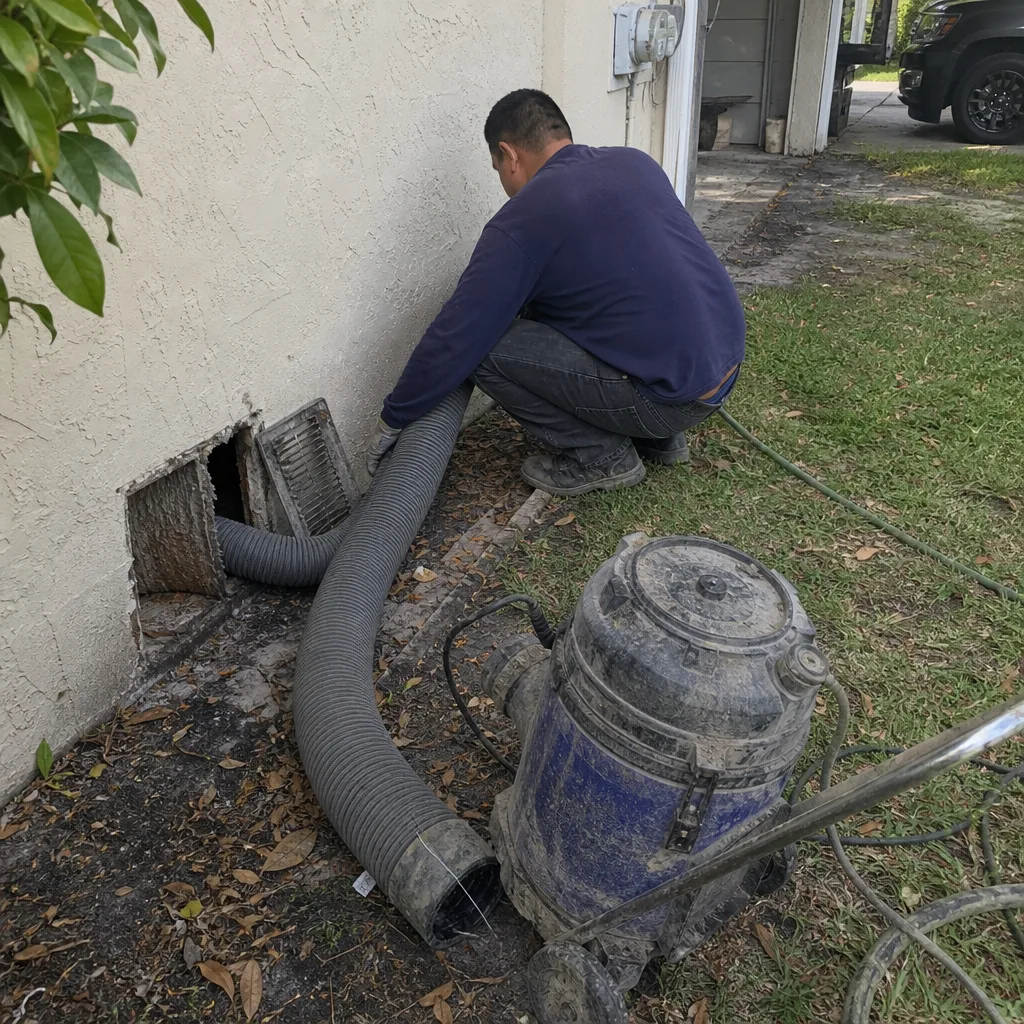 Before
 After
After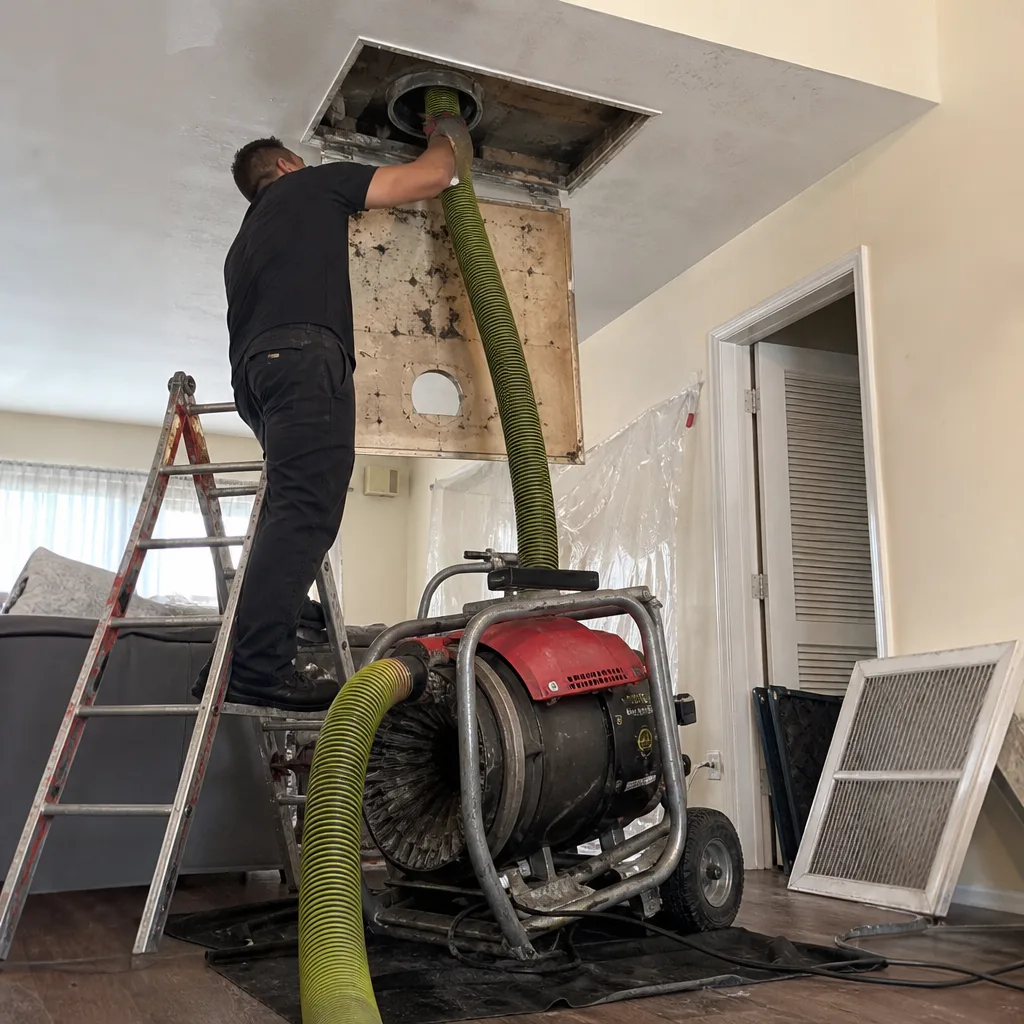 Before
 After
After